By Fatou Dahaba
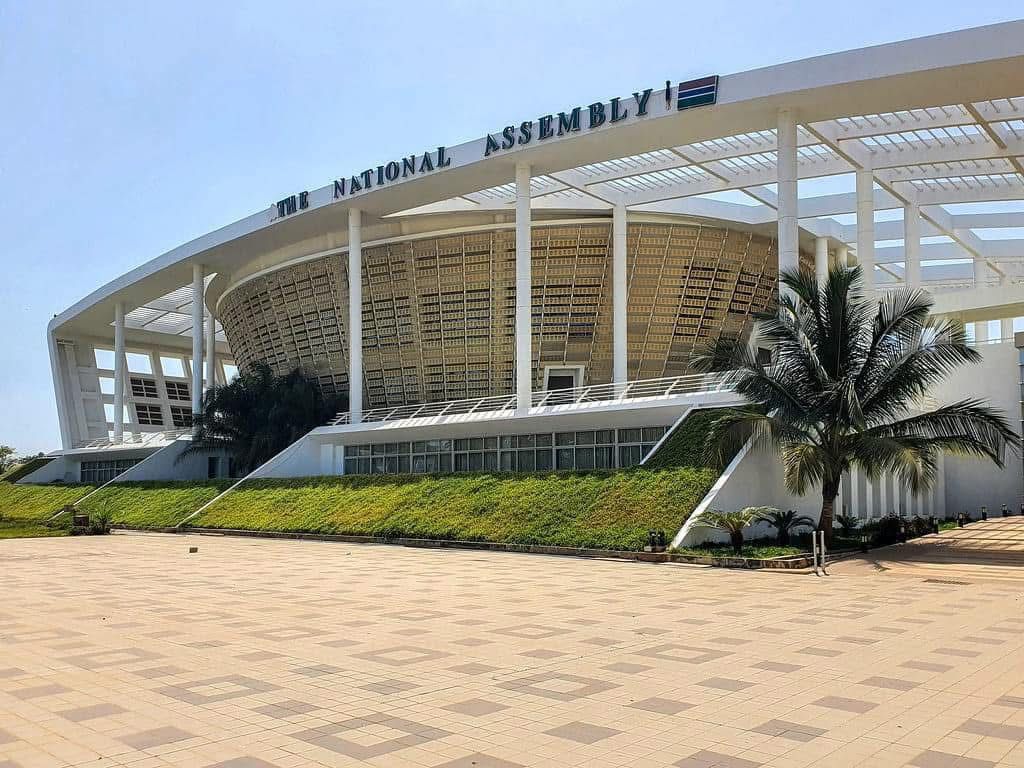
The Gambian National Assembly on Tuesday threw its weight behind the ratification of the African Union Convention on Ending Violence Against Women and Girls, signaling strong political support for the continental instrument. Yet, in a candid debate, lawmakers repeatedly warned that the real battle lies not in signing new agreements but in confronting chronic weaknesses in enforcement, institutional inertia, and entrenched social attitudes that continue to endanger women and girls.
Moving the motion, Minister for Gender, Children and Social Welfare Hon. Fatou Kinteh described the convention as a comprehensive legal framework designed to prevent and eliminate all forms of violence against women and girls. She said it addresses root causes, strengthens legal and institutional mechanisms, and promotes a culture of respect for human rights, gender equality, and the dignity of women.
“Violence against women and girls takes many forms — domestic abuse, sexual violence, child and forced marriage, female genital mutilation, workplace harassment, and abuse in schools, public spaces, and online,” Minister Kinteh told the Assembly. She argued that the AU convention would bolster The Gambia’s existing efforts to tackle these challenges.
Several members of parliament welcomed the convention but cautioned that The Gambia already possesses progressive domestic laws, including the Children’s Act, the Sexual Offenses Act, and legislation on domestic violence. The persistent problem, they said, is implementation.
Hon. Yaya Menteng Sanyang, Member for Latrikunda Sabiji, noted that international obligations alone cannot solve deeply rooted issues. “We have very progressive laws,” he said. “What is needed is the political will to enforce them and to build confidence so that women and girls feel safe to report abuse.”
Hon. Amie Colley, representing Foni Berefet, echoed this view, stressing that passing more laws is not the answer. She also highlighted that violence is not one-directional. “While women and girls face serious forms of violence, abuse against men in homes is often ignored and deserves attention too,” she said.
In Wulli East, Hon. Suwaibou Touray welcomed the convention’s emphasis on “positive masculinity.” He called for a societal shift to confront harmful beliefs that give some men the impression they have a right to beat or control women. “We must change these mindsets,” he urged.
Lower Saloum lawmaker Hon. Sainey Jawara was more critical of government institutions. He accused ministries responsible for protecting women and girls of reacting late rather than acting proactively. He raised concerns about human trafficking, the sexual exploitation of girls, the spread of indecent material on social media, and the vulnerability of children in public spaces. “Institutions must take the bull by the horns,” he said.
Hon. Lamin Ceesay of Kiang West called for evidence-based policymaking. He urged the ministry to collect and publish reliable national data on violence, trafficking, and other abuses consistently — not only when international conventions are being debated.
Deputy Majority Leader Hon. Abdoulie Ceesay, Member for Old Yundum, described the convention as ultimately about protecting women and girls from abuse, forced marriage, neglect, and other harms. He said the focus must now shift to practical implementation alongside existing national laws.
The Gambia signed the convention on 11 July 2025 in Malabo, Equatorial Guinea, and formally acceded to it following a Cabinet decision on 8 January 2026.
As the debate concluded, a clear consensus emerged: while ratification sends an important signal of commitment, it will mean little without sustained political will, stronger institutions, better data collection, public awareness campaigns, and genuine cultural change.
Lawmakers across party lines made one point repeatedly: the lives of Gambian women and girls depend less on new documents in distant capitals and more on determined action at home.