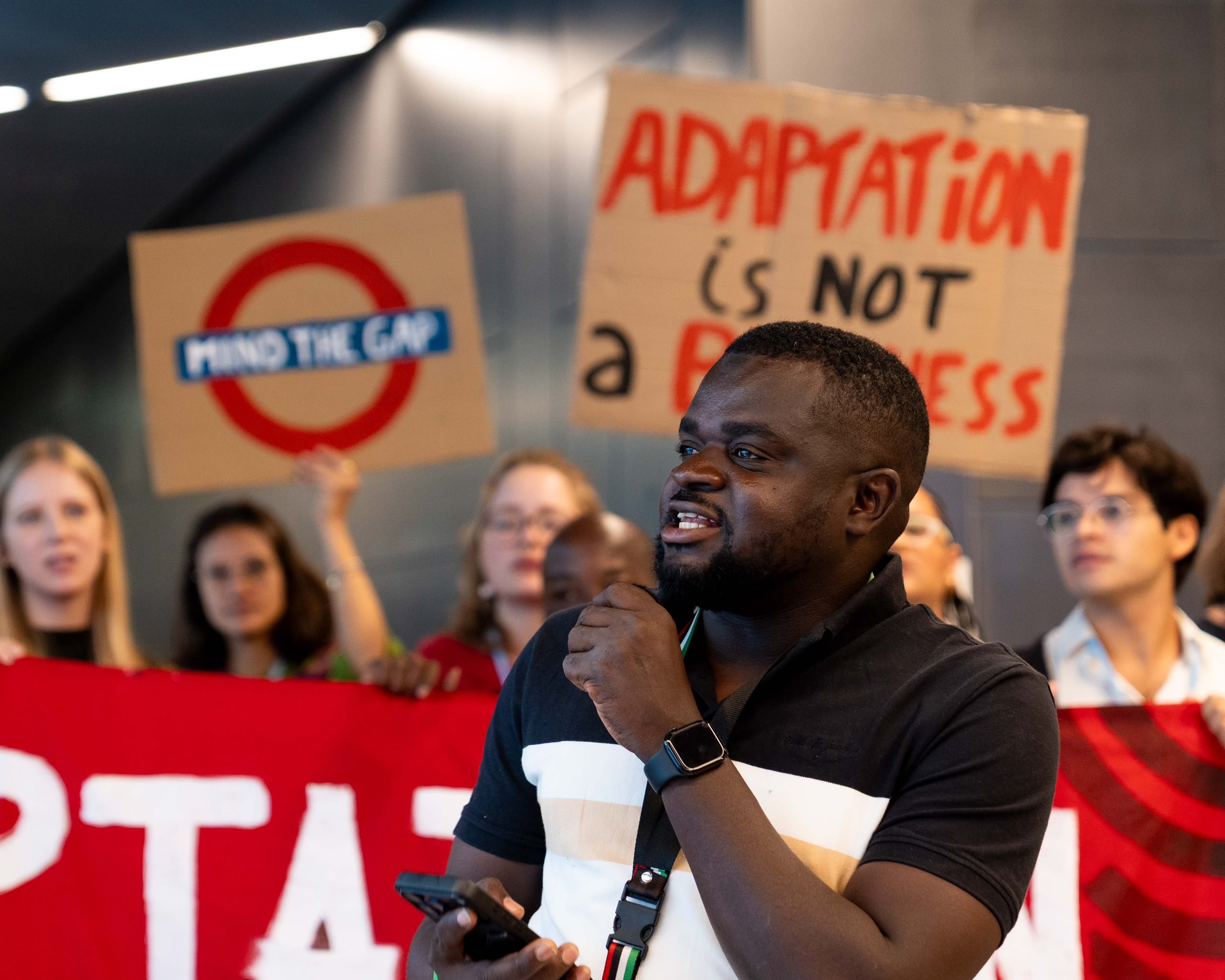
African negotiators and civil society groups at the UN Climate Change Conference subsidiary body sessions (SB64) have voiced outrage over widespread visa rejections by German authorities, which they say are silencing the continent’s most vulnerable voices in critical global climate negotiations.
Dozens of accredited African delegates, including senior government negotiators, technical experts, and observers, were unable to attend the Bonn meetings after their visa applications were denied or processed too late. The disruptions have sparked protests outside the World Conference Center Bonn, where participants gathered to highlight what they describe as a systemic barrier to equitable participation
“This is not an administrative problem — this is a political issue,” said Baboucarr Nyang, Coordinator of the Climate Action Network (CAN). “When African negotiators, who represent the most climate-vulnerable populations on earth, are denied visas to attend talks that will determine their countries’ futures, we have to ask: who is this process really serving? The UNFCCC must act.”
Africa contributes less than 4% of global greenhouse gas emissions but suffers disproportionately from climate impacts, including prolonged droughts in the Sahel and severe flooding in East Africa. Despite these stakes, resource constraints and now visa obstacles are limiting the continent’s ability to engage fully in the UNFCCC process.
Sources from the African Group of Negotiators (AGN) indicate this is part of a recurring pattern at European-hosted UN climate events. Critics argue that the UNFCCC Secretariat, headquartered in Bonn and collaborating closely with the German government, is responsible for ensuring that accredited participants can attend without hindrance. Formal UNFCCC accreditation, they contend, should guarantee entry for representatives from developing nations.
The visa crisis comes at a pivotal moment. SB64 serves as a key preparatory meeting ahead of COP31, tackling urgent issues such as operationalizing the new loss and damage fund, setting adaptation finance targets, and advancing follow-up from the global stocktake. Without full African representation, outcomes risk losing legitimacy and failing to address the needs of those on the front lines of the climate crisis.
Advocates are pushing for structural reforms, including a dedicated visa facilitation mechanism for UNFCCC participants, better coordination between the Secretariat and host-country embassies, and a shift toward hosting more sessions in African or Global South venues.
“We need systemic change,” one African delegate said on condition of anonymity. “Every session we lose negotiators to visa problems is a session where the most vulnerable countries negotiate with one hand tied behind their backs.”
As talks continue inside the conference center, pressure is building on the UNFCCC Secretariat and German authorities to resolve immediate cases and implement safeguards for future meetings.