By: Fatou Dahaba
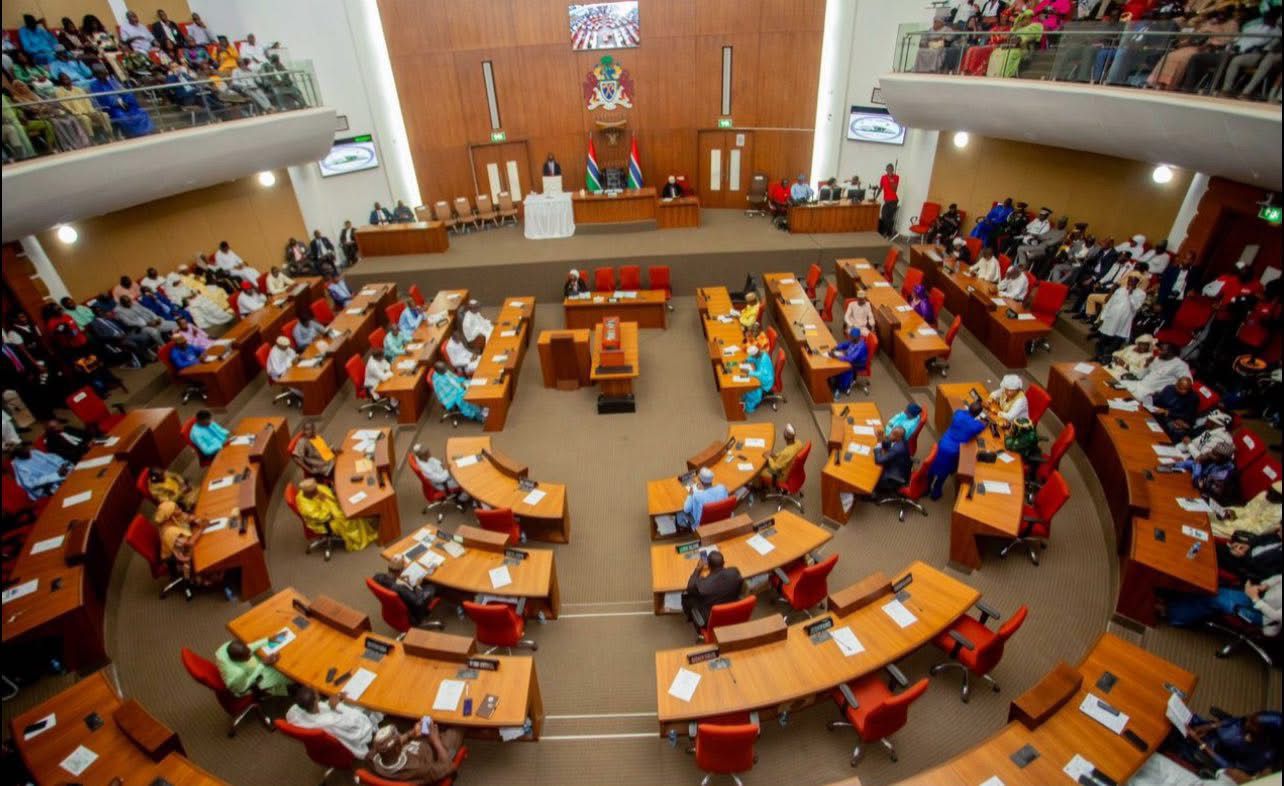
In a significant move to strengthen parliamentary oversight, The Gambia’s National Assembly has adopted a resolution establishing a new Standing Committee on Government Assurances to systematically track and enforce promises made by ministers and government officials.
The resolution, tabled by Majority Leader and Kantora Member of Parliament Hon. Billay G. Tunkara, was passed to address long-standing concerns over unfulfilled commitments made on the floor of the House and in committee sessions.
The new committee will serve as a formal mechanism for identifying, recording, and monitoring assurances, undertakings, and promises given by the Vice President, ministers, or authorized government representatives.
Lawmakers noted that while the 1997 Constitution holds ministers individually and collectively accountable to the Assembly, there has previously been no dedicated standing mechanism to track the full range of verbal and written commitments beyond existing rules.
The resolution references Standing Order 100, which requires ministers to respond to committee reports or Assembly resolutions within 30 days. It warns that failure to comply could constitute contempt under Section 75 of the Constitution. However, Assembly members observed that broader assurances often fell through the cracks without proper follow-up.
Under the new framework, the Committee on Government Assurances will be constituted by the Committee of Selection, with membership reflecting the balance of parties in the Assembly. Its core functions include scrutinizing all assurances, maintaining a comprehensive Register of Assurances, and monitoring the implementation of Assembly resolutions and committee recommendations.
The register will record vital details such as the date of the assurance, the official who gave it, the substance of the commitment, agreed timeframes, current status, and any extensions granted. The committee will have powers to demand reports, documents, and explanations from ministries, departments, and agencies. It will assess whether promises have been fulfilled, remain on track, or have been abandoned.
In addition, the committee must submit quarterly reports to the full Assembly and may recommend sanctions, including treating persistent failures as contempt of Parliament.
The development is being hailed as a major step toward deepening democratic accountability and ensuring that government pledges translate into tangible action. Supporters argue the committee will close a critical gap in legislative oversight and restore public confidence in parliamentary processes.
The resolution takes effect immediately, with the new committee expected to begin operations soon.