By Momodou Gagigo
Smallholder rice farmers, especially women, are raising serious concerns about escalating production costs and severely limited access to combine harvesters, warning that these twin challenges are jeopardizing harvests, threatening household incomes, and undermining food security across The Gambia.
As the rainy-season harvest period intensifies, many producers find themselves caught between outdated manual methods and mechanized solutions that remain largely out of reach.
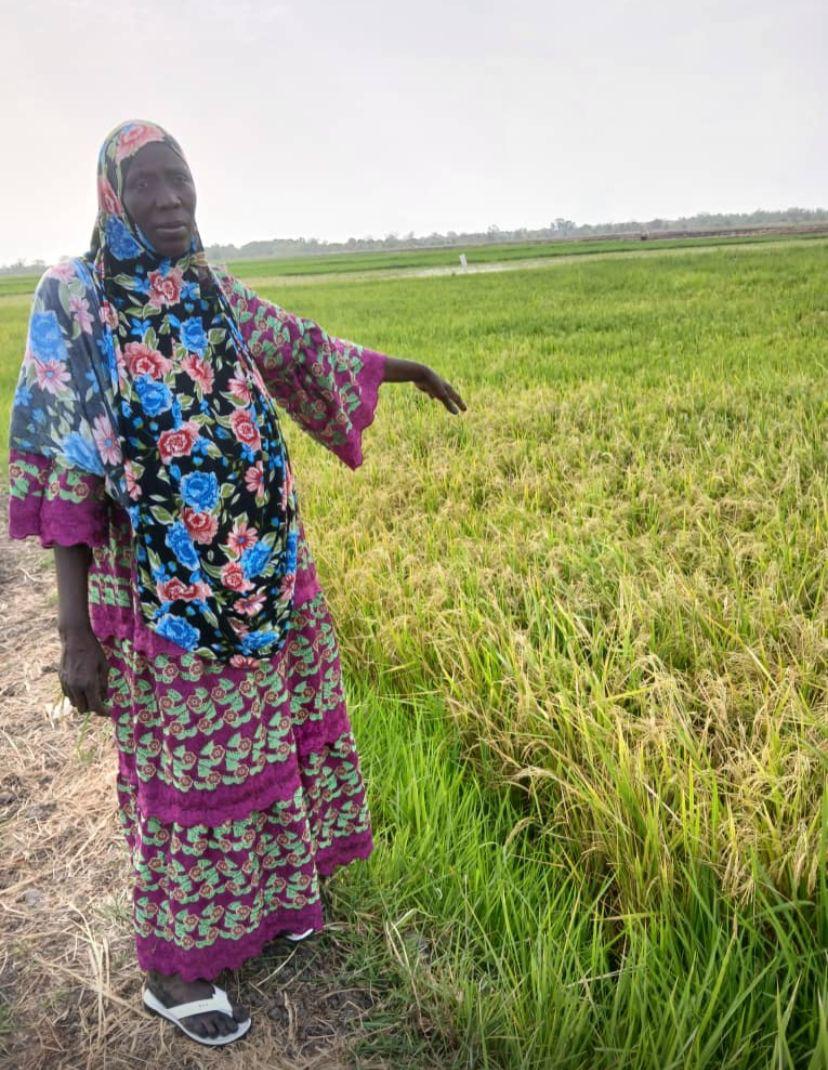
Speaking on behalf of women farmers, Ajaratou Awa Jagne described a system stacked against smallholders.
“The combined harvester machines are beneficial, provided that we can access and afford them on time,” Jagne said. “Delays leave crops exposed to damage, especially when fields become waterlogged.”
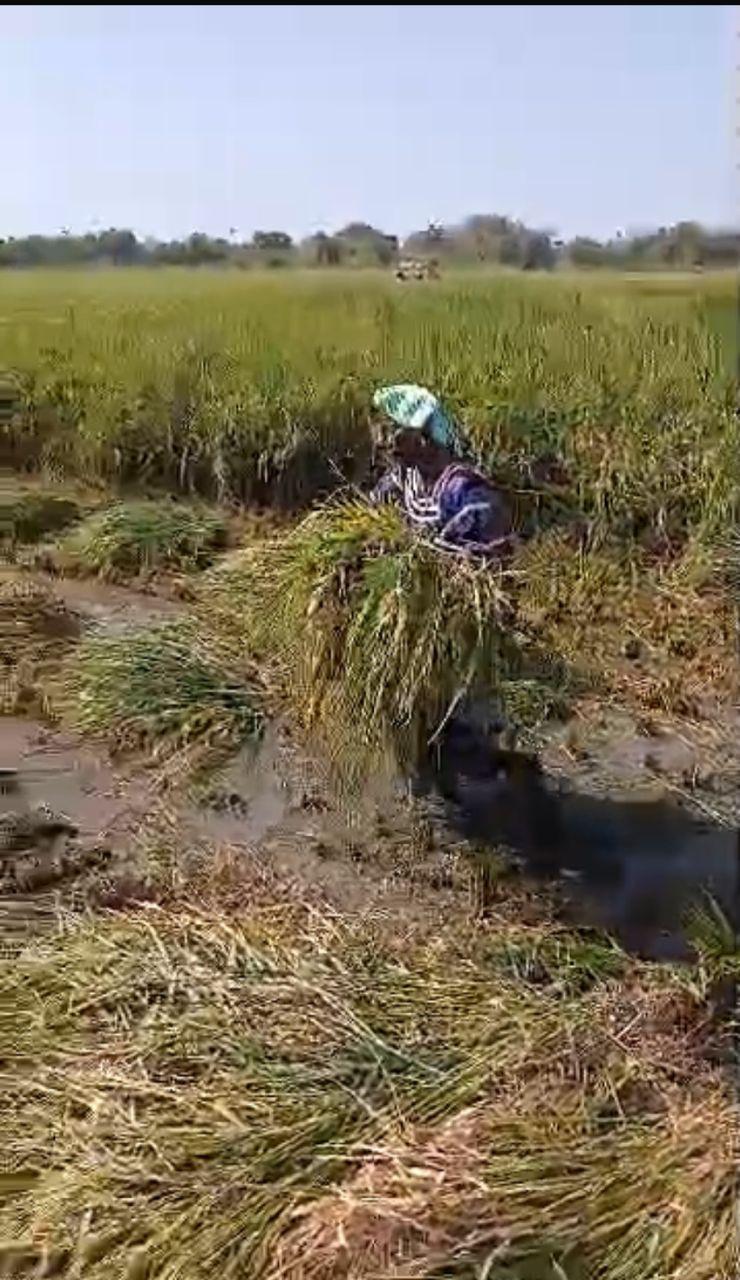
Farmers report that high land rents, plowing fees, fertilizer costs, and harvesting charges consume most of their yield, leaving little profit. “After paying for all these inputs, what are we going to take home?” Jagne asked. Many continue to rely on labor-intensive manual harvesting, which is slow and risky during heavy rains, increasing the risk of post-harvest losses.
Demand for combine harvesters far outstrips supply. Farmers managing multiple plots say they cannot depend on machines due to scheduling uncertainties and frequent breakdowns. Women face additional hurdles, with Jagne claiming operators often prioritize male farmers. “The operators always give priority to their fellow men than to us, the women, and we suffer a lot in this farming,” she said, highlighting what she called systemic inequality in service delivery.
Despite women’s central role in rice production—often using earnings to cover school fees, clothing, and family needs—they say support remains inadequate. They are calling on the government and partners to improve land access, ensure fairer service distribution, and invest more in women-focused rural agriculture programs.
Operators cite their own struggles
Combine harvester operators acknowledge the difficulties but push back against accusations of bias. Lamin Darboe, a machine operator, explained that rainy season conditions make fieldwork extremely challenging. Muddy fields slow operations, cause machines to bog down, and lead to mechanical issues.
“It is very challenging working in the fields during the rainy season because the land becomes very muddy. The machine easily attracts mud, becomes heavy, and that consumes a lot of time,” Darboe said. “If you have a large area to harvest, you may end up covering only a small portion before the day ends.”
Payment arrangements add pressure. Many farmers, particularly women, prefer paying in rice after selling their harvest rather than cash upfront. “That is not in our favour because the machines need fuel and regular maintenance,” Darboe noted. He defended charging eight bags of rice for a standard 100m by 50m plot, citing high operational costs and risks of breakdowns that could wipe out profits.
On prioritization claims, Darboe insisted decisions are based on practical considerations. “It’s not that we prioritize our fellow men over women. Men can more easily meet our conditions and provide the support we need while working in their fields.”
Project defends mechanization drive
The introduction of combine harvesters is part of a broader effort to modernize rice production. Mamour Alieu Jagne, Coordinator of the CPCU/GIRAV project, said the machines aim to boost productivity, cut post-harvest losses, reduce drudgery—especially for women—and promote commercial farming.
The project procured 34 harvesters: 14 large units, distributed in December 2024, and 20 mini combines, distributed in March 2026. All are reported operational. Beneficiaries, including individuals, farmer groups (Kafos), and private operators, were selected based on their capacity to maintain machines and provide services to surrounding farmers.
While the project stresses wider community benefits, smallholders maintain that supply still falls short during peak periods. Affordability, timely access, and equitable distribution—particularly for women—remain pressing issues.
Broader agricultural constraints
Agriculturist and economist Dr. Ousman Gajigo urged a more fundamental approach. He argued that mechanization alone cannot solve Gambia’s agricultural problems.
“To know what interventions are likely to improve food security, we have to identify what the binding constraints are in Gambian agriculture, and in what sequence they must be addressed,” Dr. Gajigo said.
“The most important and urgent binding constraints are not tractors or combine harvesters. Rather, they are irrigation and land development.”
Without tackling irrigation and land issues first, he warned, machinery and inputs will deliver only limited gains.
Stakeholders agree that resolving these challenges is essential to reducing losses, strengthening food security, and ensuring agricultural modernization benefits all farmers, not just those with better access or resources. As the debate continues, smallholders like Awa Jagne hope their voices will drive more inclusive and effective solutions for The Gambia’s rice sector.