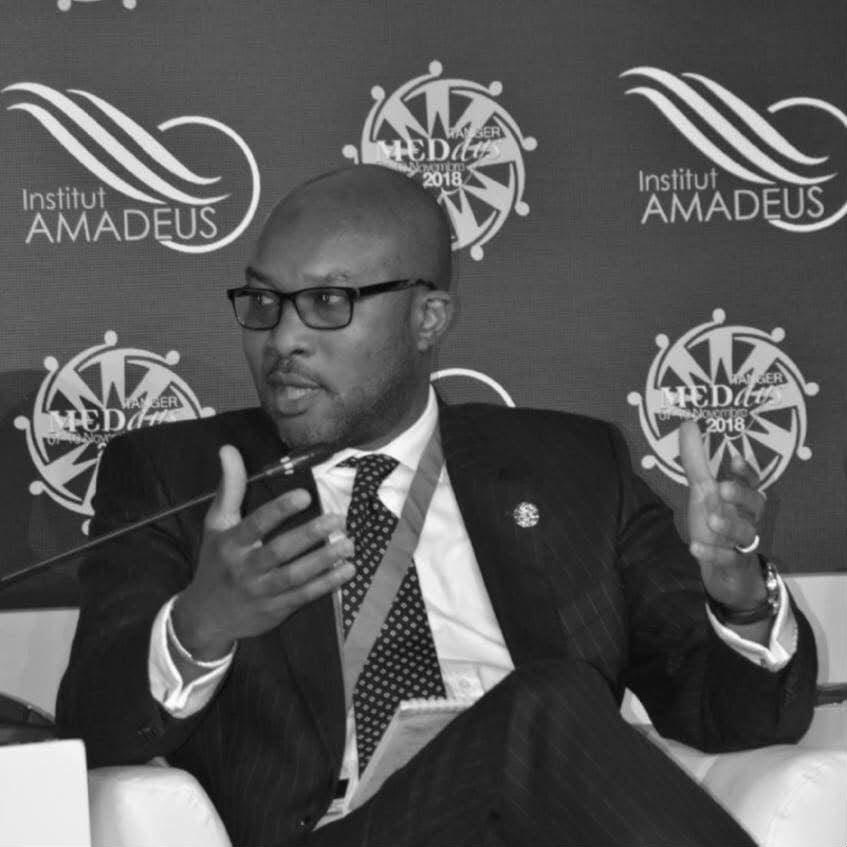
In a strongly worded open letter to Senegalese President Bassirou Diomaye Faye, who recently assumed the chairmanship of the ECOWAS Authority of Heads of State and Government, Gambian businessman and former President of the Gambia Chamber of Commerce and Industry Muhammad M. Jagana has called for urgent action to stop what he describes as unofficial cash demands and discriminatory treatment at the Rosso border crossing between Senegal and Mauritania.
Jagana, writing as “a concerned ECOWAS citizen committed to regional integration, transparency and the rule of law,” detailed two separate encounters at Rosso on 17 July and 21 July 2026 that he says exposed serious gaps in the implementation of the ECOWAS Protocol on Free Movement of Persons.
On 17 July, while traveling from Senegal to Mauritania, Jagana and his companions were asked by a Senegalese police officer to pay XOF 5,000 per person after biometric immigration processing.
When he requested an official receipt, the officer refused. The group was instead given a handwritten note that another officer later collected before they boarded the ferry. No explanation was provided for the charge or the note.
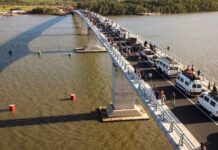
Four days later, on the return journey from Mauritania to Senegal, the situation escalated. While still on the ferry, Senegalese Direction de la Police de l’Air et des Frontières (DPAF) officers collected the national identity cards of all passengers. Upon disembarkation, drivers and passengers were separated. Jagana, as the driver, was told he had to pay XOF 5,000 before his vehicle documents could be processed. When he again asked for a receipt, he was reportedly told to “stop wasting his time.”
His Gambian ECOWAS National Identity Card was not returned. When he joined his family members in the passenger section, they were informed that every Gambian citizen had to pay XOF 10,000 before biometric fingerprint processing could proceed. Mauritanian travelers, he observed, were reportedly charged XOF 5,000 and received some form of official document. Gambian citizens received no receipts.
Jagana said officers, including a supervising senior male officer and a female officer, refused requests for receipts and told the group they were being “rude” for insisting on documentation. One officer reportedly stated that the travelers should not “lecture them about the ECOWAS Protocol.”
“This is bigger than XOF 5,000 or XOF 10,000,” Jagana wrote. “It is about transparency. It is about accountability. It is about dignity.”
He argued that ordinary West African citizens, traders, drivers, students and families continue to face harassment, unexplained delays and unofficial financial demands at regional borders. At the same time, senior officials and VIPs travel with protocol and rarely experience the same treatment.
Jagana outlined ten practical recommendations for President Faye, the ECOWAS Commission and member states to publish all official border charges in English, French and Portuguese at every crossing; Make official receipts compulsory for every payment; Phase out cash payments in favour of digital or mobile money options; Establish a 24-hour ECOWAS Border Integrity Hotline for complaints; Require all border officials to wear visible name badges and service numbers; Conduct regular unannounced joint inspections, especially at remote posts such as Rosso; Introduce an ECOWAS border scorecard for citizen feedback.
He also recommended enforcing meaningful disciplinary action against officials demanding unofficial payments, providing regular training on customer service, human rights, and the ECOWAS Protocol, and requiring ministers and senior officials to cross borders periodically as ordinary citizens.
“The credibility of ECOWAS is tested at our borders,” Jagana stated. “Regional integration cannot be measured only by treaties, summits and speeches. The experience of the ordinary citizen must measure it.”
He urged President Faye, in his dual capacity as Senegalese leader and ECOWAS Chairman, to ensure the matter is investigated and to champion reforms so that free movement becomes “a genuine lived reality” rather than a source of frustration and humiliation.
The open letter was copied to the ECOWAS Commission President, the ECOWAS Parliament, relevant ministries in Senegal and The Gambia, and the Senegalese High Commission in Banjul.