By: Fatou Dahaba
West Africa’s anti-money-laundering body and The Gambia’s Financial Intelligence Unit have called on religious leaders to help stop the misuse of charitable funds for money laundering and terrorism financing.
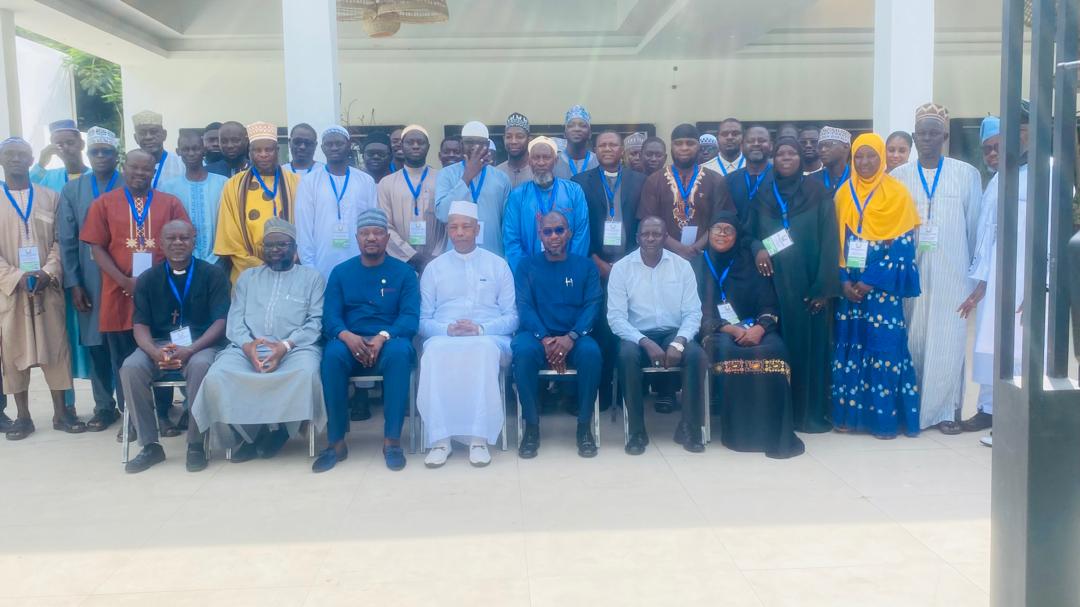
The appeal was made Tuesday at the opening of a two-day National Sensitization Seminar for Religious Leaders and Institutions on Anti-Money Laundering and Countering the Financing of Terrorism at Tamala Hotel.
Lands, Regional Governments and Religious Affairs Minister Hamat Bah said the campaign must reach every sector of society, especially faith leaders who enjoy public trust. Financial crime, he said, is not only a law-enforcement matter but a threat to national security, good governance, social stability and The Gambia’s international standing.
Religious institutions receive donations, zakat, sadaqah and other charitable gifts and must be shielded from abuse, Bah said. “Religious leaders and institutions have a particularly important role to play in this national effort.”
He urged imams, pastors and other faith leaders to use mosques, churches, Islamic schools and community gatherings to warn people about the dangers of financial crime. He also urged religious bodies to improve transparency, keep proper records, and clearly account for the money they handle.
Speaking for GIABA Director General Tim Melaye, the group’s Head of Communication and Advocacy said engaging religious leaders is central to the regional fight against financial crime and violent extremism. GIABA, a specialized ECOWAS institution and FATF-style regional body, works to bring member states in line with international anti-money-laundering and counter-terrorism-financing standards.
Rising corruption, kidnapping, human trafficking, drug trafficking and violent extremism make the partnership essential, Melaye said. Religious leaders’ moral authority can shape public attitudes and discourage crime. “In promoting peaceful coexistence, the voice of our religious leaders must be strongly heard against those ills ravaging our societies.”
Leaders must also set an example through honest conduct and accountable lifestyles, he added.
FIU Director Alagie Darboe said the seminar aims to open dialogue and give religious institutions practical tools to protect themselves. The goal is not to stigmatize faith groups but to help them spot risks and apply simple safeguards: know where large donations come from, keep adequate financial records, and take care when accepting funds from foreign partners.
“The message we wish to convey is simple: transparency protects trust, accountability protects institutions, and responsible financial management protects communities,” Darboe said. He asked participants to carry the lessons back to their mosques, churches, schools and charities and to foster a culture of integrity and vigilance.
The meeting brought together religious leaders, government officials and regional partners to widen public awareness and strengthen The Gambia’s defenses against money laundering and terror financing.