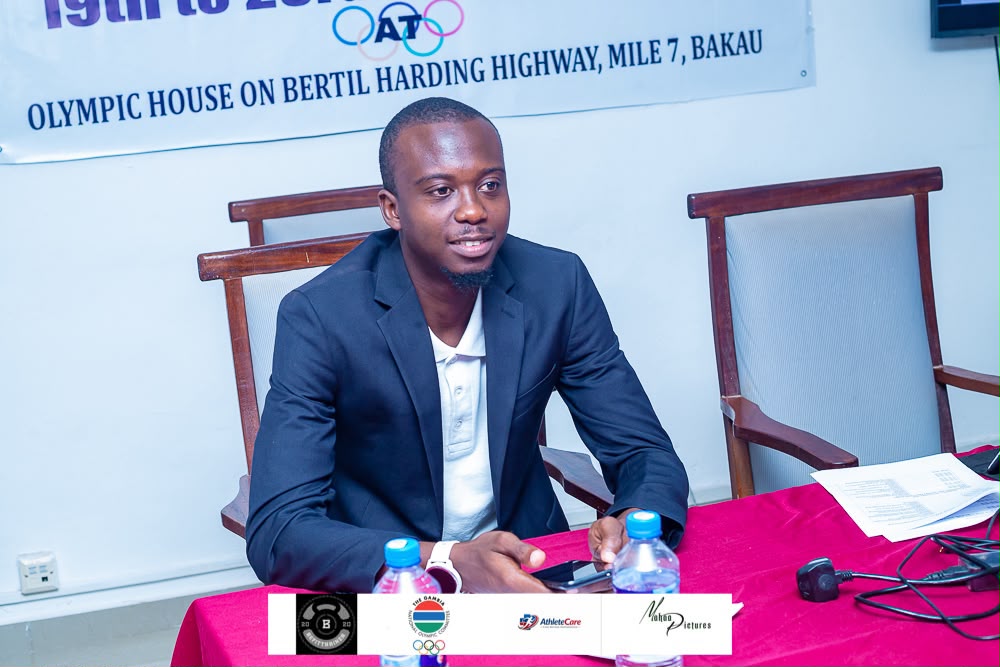
By Dr Muhammed Lamin Touray
Female athletes are an essential part of The Gambia’s sporting future. From football and athletics to basketball and volleyball, women and girls continue to demonstrate remarkable talent, determination and resilience. However, behind their achievements lie health challenges that deserve greater recognition, investment and action.
One major concern is the limited access to specialized sports healthcare. Many female athletes train and compete without adequate medical supervision, structured injury prevention programs or accessible rehabilitation services. Injuries, particularly those affecting the knee, can threaten sporting careers when diagnosis, treatment and rehabilitation are delayed by financial and healthcare barriers.
Reproductive and menstrual health also require greater attention. Menstrual irregularities, painful periods and inadequate knowledge of how hormonal changes may affect individual athletes can influence training, performance and wellbeing. The Female Athlete Triad, low energy availability, menstrual dysfunction and reduced bone health is an important concern, while Relative Energy Deficiency in Sport (REDs) can affect athletes of any sex. Poor nutrition, excessive training and insufficient recovery may increase these risks.
Mental health presents another challenge. Performance pressure, stigma, gender discrimination and limited psychological support can discourage female athletes from discussing their concerns or seeking help. Safeguarding must also remain a priority, ensuring that every athlete is protected from harassment, abuse, exploitation and other forms of harm.
Addressing these challenges requires coordinated action. Sports associations, healthcare professionals, coaches, schools and policymakers must work together to improve access to female sensitive healthcare, nutrition education, injury prevention, rehabilitation and confidential mental health support. Training coaches and team medical personnel to recognize early warning signs is equally important.
The Gambia must move beyond celebrating female athletes only when they win medals. Their health, dignity and long term wellbeing deserve equal commitment. Investing in female athlete health is not merely a sporting responsibility; it is an investment in their health, well being, and national development.
The time to prioritize their health is now.