By: Kebba Ansu Manneh
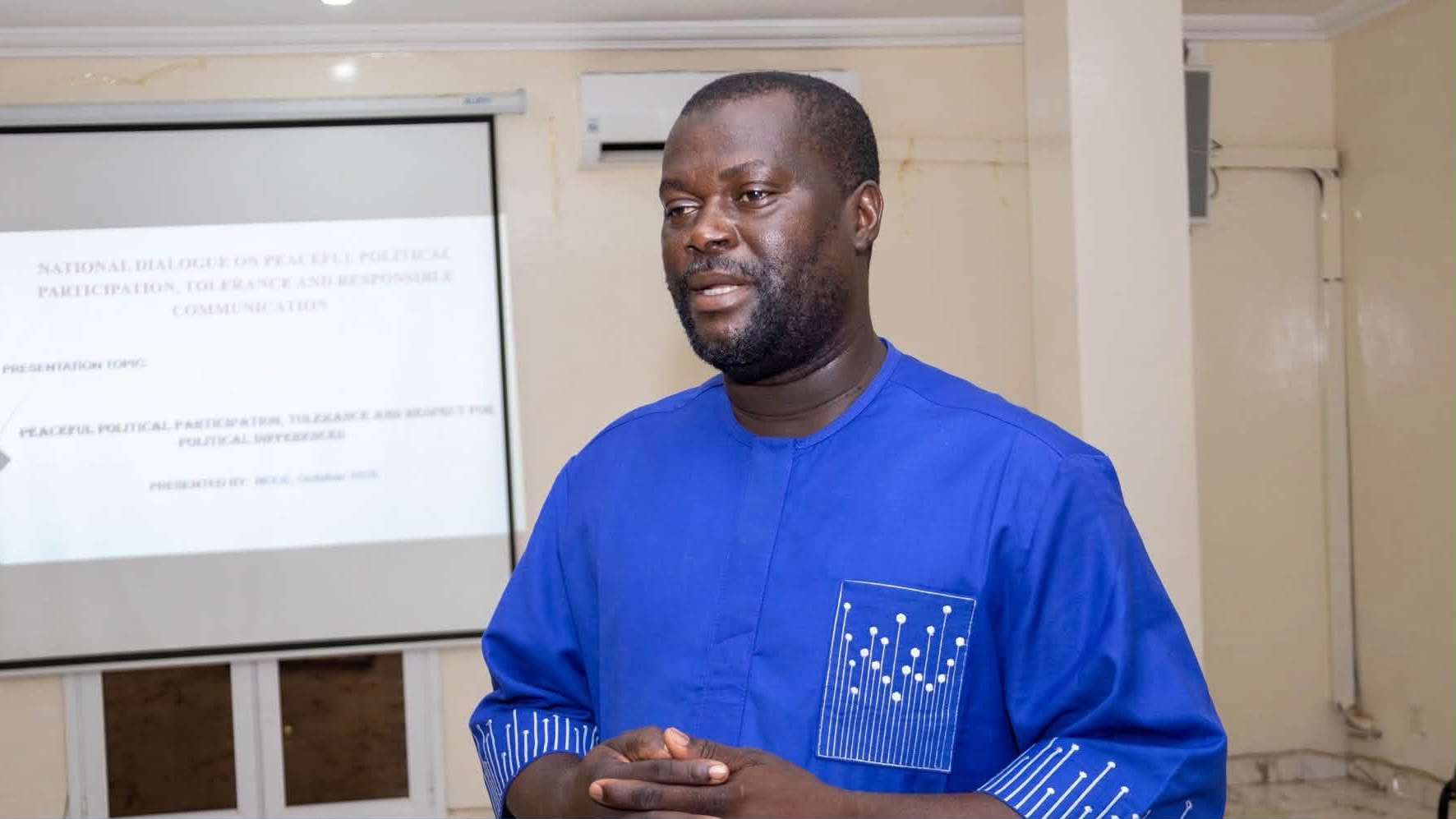
Good governance is not the sole responsibility of public institutions; it requires informed, active, and engaged citizens who understand their rights and responsibilities and participate meaningfully in decisions that affect their lives, Ansumana Ceesay, Program Manager at the National Council for Civic Education (NCCE), said.
He made the remarks at the launch of a week-long capacity-building training and community sensitization on access to information, women’s rights and data protection, held at the Governor’s Office in Mansakonko. The NCCE organized the activity in collaboration with the Information Commission, with funding support from the United Nations Population Fund (UNFPA) through the Public Accountability Project. Its theme is “Empowering Citizens, Safeguarding Rights: Shaping a Transparent and Inclusive Future.”
Mr Ceesay described access to information as a fundamental pillar of transparency and accountability. “When citizens have access to timely, accurate and relevant information from public institutions, they are better equipped to make informed decisions, participate meaningfully in public affairs, and hold public institutions accountable for their actions and responsibilities,” he stated. He stressed, however, that laws and policies alone are insufficient. Citizens must understand these frameworks, know how to exercise their rights and possess the confidence to engage with public institutions. At the same time, public officials and other duty bearers must appreciate their obligations and the importance of providing information in a timely, accessible, and responsible manner.
The training seeks to increase public awareness and understanding of the Access to Information Act, the women’s rights provisions under the Women’s (Amendment) Act 2015, and the National Gender Policy 2025–2034. These instruments, Mr Ceesay noted, provide important foundations for promoting informed citizenship, gender equality and the protection of rights. “Women’s rights and gender equality must remain central to our collective efforts to build an accountable and inclusive society,” he said. Women and girls must have equal opportunities to access information, participate in decision-making and enjoy their rights without discrimination. Young people, he added, must be empowered with the knowledge and confidence to engage constructively in civic and public affairs.
He further emphasized inclusion, stating that persons with disabilities must not be left behind. “Information should be accessible to all citizens, regardless of their physical, sensory, social or economic circumstances. An inclusive society is one in which everyone has the opportunity to access information, understand their rights and participate meaningfully in decisions that affect their lives.”
Mr Ceesay cautioned that promoting access to information must be balanced with data protection. Transparency and openness, he said, must go hand in hand with the responsible handling of personal information and respect for individual privacy. “Public institutions and citizens alike must appreciate the importance of protecting personal data while upholding the principles of accountability and the public’s right to information.”
The program will be implemented across the Lower River Region and the North Bank Region, targeting approximately 180 participants drawn from public institutions, local authorities, community leadership structures, persons with disabilities, and women and youth leadership groups. Mr Ceesay described this broad participation as essential, noting that promoting transparency, accountability and respect for rights requires the collective efforts of all sections of society.
He encouraged participants to take full advantage of the opportunity, engage actively in discussions, share experiences and seek clarification on issues affecting their communities and institutions. “The knowledge and understanding gained during this program should not end in this training room; rather, they should be shared and applied in our homes, communities, workplaces and institutions,” he urged. He particularly called on community leaders, women and youth leaders, and representatives of persons with disabilities to become ambassadors of civic awareness. He urged public officials and local authorities to promote a culture of openness, responsiveness and respect for citizens’ rights.
As the institution mandated to promote civic education, the NCCE remains committed to raising awareness of citizens’ rights and responsibilities, encouraging informed participation in governance and strengthening the relationship between citizens and public institutions. Mr Ceesay expressed confidence that collaboration with the Information Commission, supported by UNFPA, would help build a more informed, empowered and engaged citizenry.
Also speaking at the launch, the Honorable Governor of the Lower River Region, Mr Seedy Lamin Bah, emphasized the importance of regional leadership and collective action in promoting civic awareness, transparency, accountability and the protection of citizens’ rights. He underscored the need for collaboration among public institutions, community leaders and citizens to build an informed and inclusive society.
John Charles Njie, Vice Chairman of the Information Commission, highlighted the role of access to information in strengthening transparency and accountability. He noted the need for citizens to understand and exercise their right to information while encouraging public institutions to fulfill their obligations under the Access to Information Act.