By Sainabou Sambou
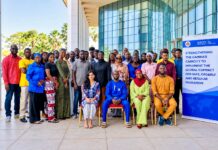
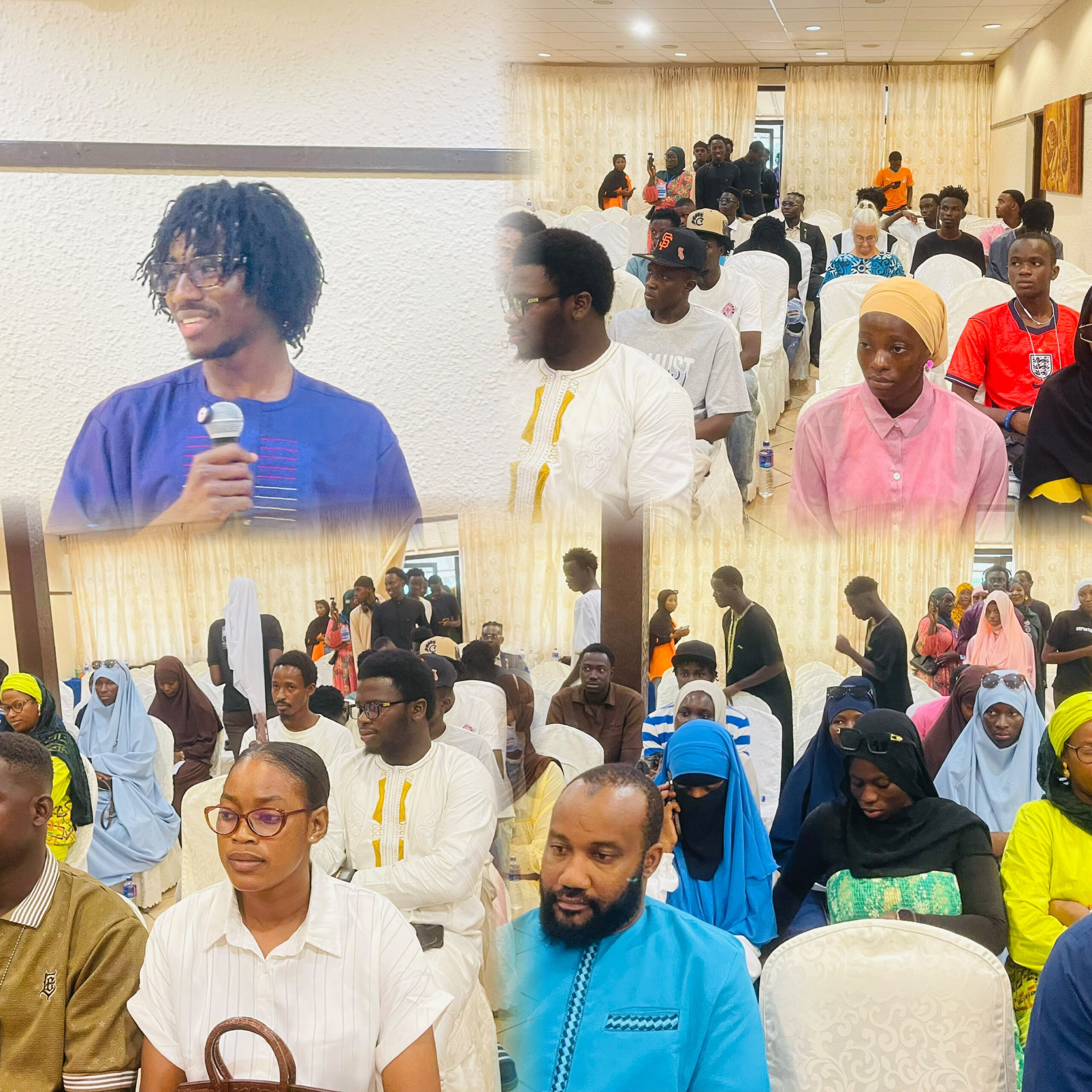
Author Kebba Jaiteh today launched his book Europe Is Not What You See on the Internet, urging young Gambians to look beyond social media portrayals of life abroad and make informed migration decisions.
Speaking at the launch, Jaiteh stressed that the book was not meant to discourage travel but to counter the widespread belief that life in Europe is automatically easy and successful. He said social media often creates unrealistic expectations, leading many young people to view migration as the only path to prosperity. Drawing on his own experiences living in Europe, Jaiteh noted that while the continent offers opportunities, many migrants also face financial hardship, immigration challenges, loneliness and other difficulties.
Success, he argued, is not determined by whether someone lives in Europe or remains in The Gambia, pointing out that some people who have never traveled abroad are financially better off than those overseas.
Jaiteh also called for a shift in how families relate to relatives living abroad. He said relatives should not contact those overseas only when they need money, but should also check on their well-being and provide emotional support. “Sometimes a simple conversation and words of encouragement can make a difference,” he told attendees, urging people to call their relatives without asking for financial assistance. He acknowledged his wife’s support, saying her contribution had been vital throughout the writing and publication process.
Representing the Ministry of Foreign Affairs, International Cooperation and Gambians Abroad, Ibrahim S. Ceesay of the Directorate of Diaspora and Migration said migration affects almost every Gambian family and deserves serious national discussion. He observed that many young people grow up believing travel abroad is the only route to success, but reality often differs from what they imagine. Ceesay shared his own family’s experience, noting that his elder brother’s migration left the family living with uncertainty for three years. He highlighted the importance of a reading culture among young people, saying books preserve knowledge and allow ideas to influence future generations. He congratulated Jaiteh for documenting his experiences and encouraged other young Gambians to contribute to national development through writing.
Book reviewer Abdourahim Jallow said the publication carries an important message about the need to prepare properly before traveling. Having read the book three times and currently reading it for a fourth, Jallow noted that it does not discourage migration but encourages people to understand the challenges they may face. He advised young people to get an education and skills and to avoid traveling with unrealistic expectations. Jallow also urged families to recognize that not everyone living abroad is financially comfortable and should not be judged solely for being unable to send money home. He described the book as insightful and praised its simple language, which makes the message easy to understand.
Lamin Darboe, Vice Chairman of the Dasilami Village Development Committee, said the book is important because irregular migration has caused pain and loss in many families. He shared the personal experience of losing his brother during the migration journey, describing it as deeply painful. Darboe commended Jaiteh for his continued involvement in community sensitization and said the book would help raise awareness among more people. He urged community members to purchase the book, read its message and share the information with young people.
Henriette Bruner-Souhu of the MRC Holland Foundation also praised the author, calling the publication an important contribution to migration discussions. Having lived in The Gambia since 1991, she said she was interested in exploring the possibility of purchasing copies for senior secondary schools across the country, adding that the book could encourage meaningful conversations and improve young people’s understanding of migration.