By Fatou Dahaba, in Beijing, China
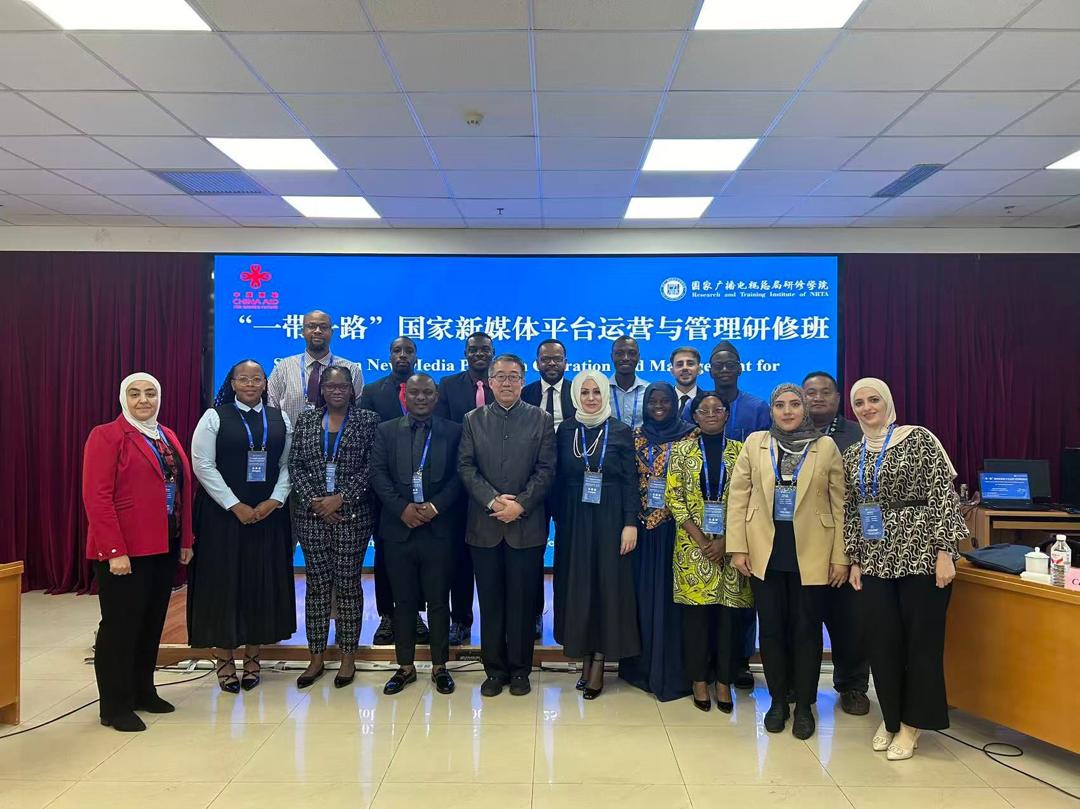
A seminar on new media platform operations and management kicked off in Beijing, bringing together media professionals from across the Belt and Road Initiative (BRI) countries, including four Gambian Journalists. Running from October 17 to 30, the event underscores China’s commitment to fostering global media collaboration amid the rapid evolution of digital landscapes.
Organized by the Research and Training Institute (RTI) in partnership with the National Radio and Television Administration (NRTA), the seminar draws a diverse cohort of participants from The Gambia, Nigeria, Botswana, Barbados, Turkey, Jordan, and Panama. These experts—ranging from broadcasters and content creators to digital strategists—represent a vibrant tapestry of cultures united by a shared goal: harnessing new media for mutual growth and understanding.
Over the two-week program, attendees will dive into cutting-edge topics designed to equip them with practical skills for the digital age. Sessions cover trends in new media platforms, content development, and intellectual property (IP) creation, the metaverse and media’s future, and navigating the evolving new media environment. The agenda also includes hands-on workshops and culminates in a cultural exchange visit to the iconic Juyongguan section of the Great Wall, blending professional development with immersive cultural diplomacy.
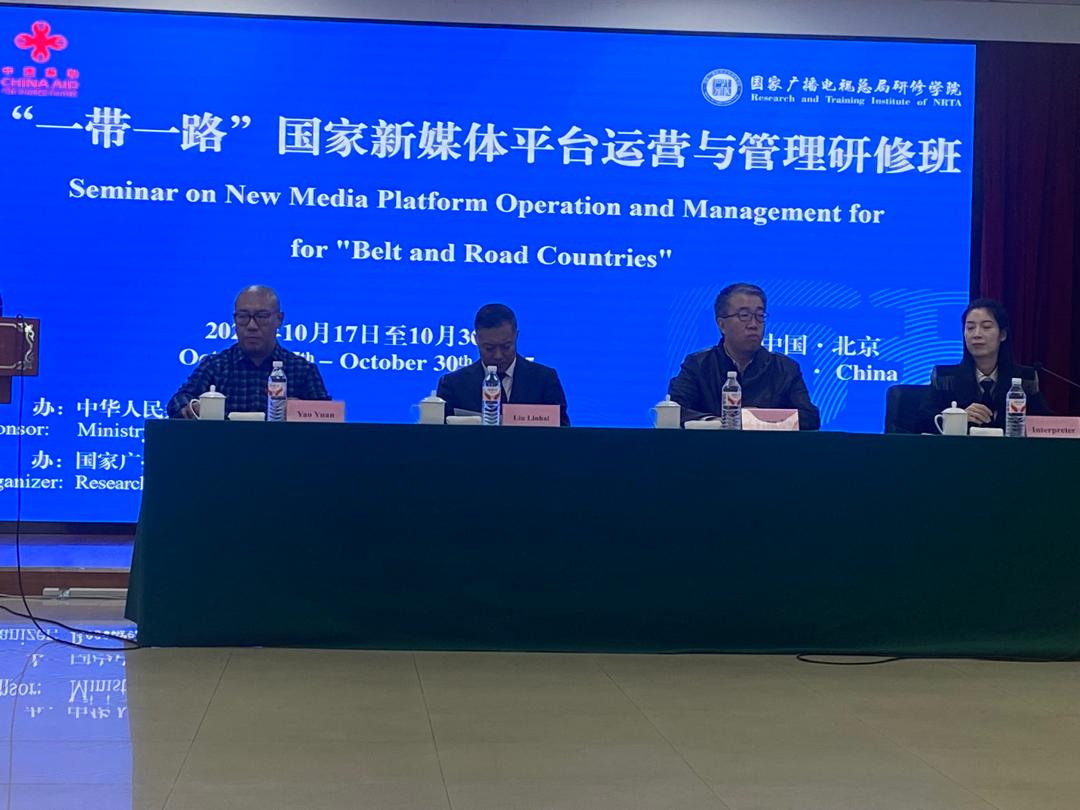
Opening the seminar, Mr. Chang Jin, a key member of the NRTA, emphasized the media’s pivotal role in today’s interconnected world. “Media is essential for building common understanding, maintaining peace, and promoting joint development,” he declared. Echoing NRTA’s guiding principles of equality, cooperation, and mutual benefit, Jin affirmed China’s readiness to partner globally. “We stand prepared to assist countries in every possible way,” he added. He expressed optimism that the seminar’s knowledge-sharing sessions would allow participants to glean valuable insights from China’s robust experience in radio, television, and online audio-video industries.
Speaking on behalf of the international delegation, Andre Antonio Olton from Barbados conveyed profound gratitude to the Chinese embassies and organizers. “Thank you for extending this invitation and creating a platform where ideas, experiences, and technologies can be shared in a spirit of collaboration and mutual growth,” Olton said. He highlighted the media’s transformative power in an era of fluid, rapid information flow, which reshapes communication, governance, and community engagement.
Olton welcomed the seminar’s timely focus on new media platforms, which have revolutionized public discourse worldwide. “This program is vital and necessary, equipping us from diverse cultural and professional backgrounds with unique perspectives on how media can drive development, strengthen international cooperation, and empower people,” he noted. Looking ahead, he expressed enthusiasm for exploring “innovative digital tools that enhance storytelling, build strong networks, and promote accurate, responsible communication in an increasingly interconnected world.”
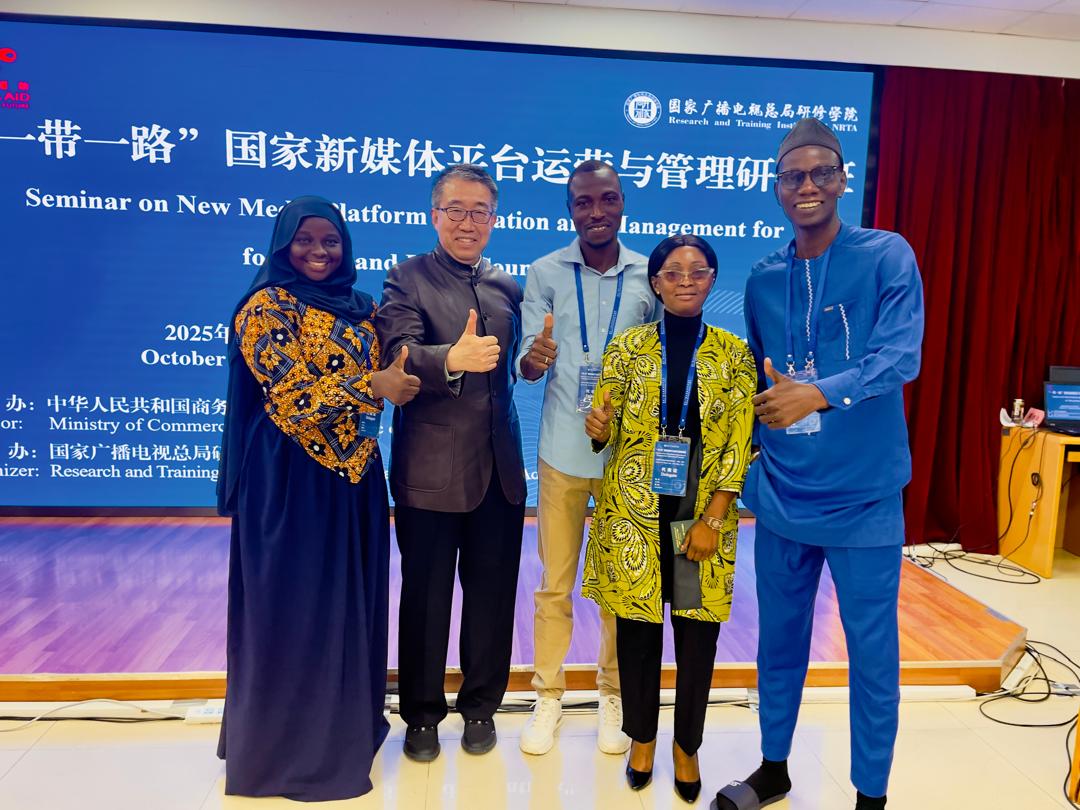
The seminar aligns seamlessly with the BRI’s ethos of shared learning and connectivity—not just through trade and infrastructure, but via trust and understanding. As Olton aptly put it, “New media, when managed effectively and ethically, can serve as one of the most powerful bridges among nations.”
This event builds on a storied legacy. Over the past two decades, under the NRTA’s International Cooperation Department, the RTI has hosted more than 260 international media conferences and seminars. These gatherings have welcomed nearly 7,000 professionals from 160 countries and regions, forging enduring partnerships that amplify global voices.
As participants embark on this journey, the Beijing seminar promises not only skill-building but also lasting alliances in the digital realm. In an age where information is the ultimate currency, such initiatives pave the way for a more equitable, informed world.