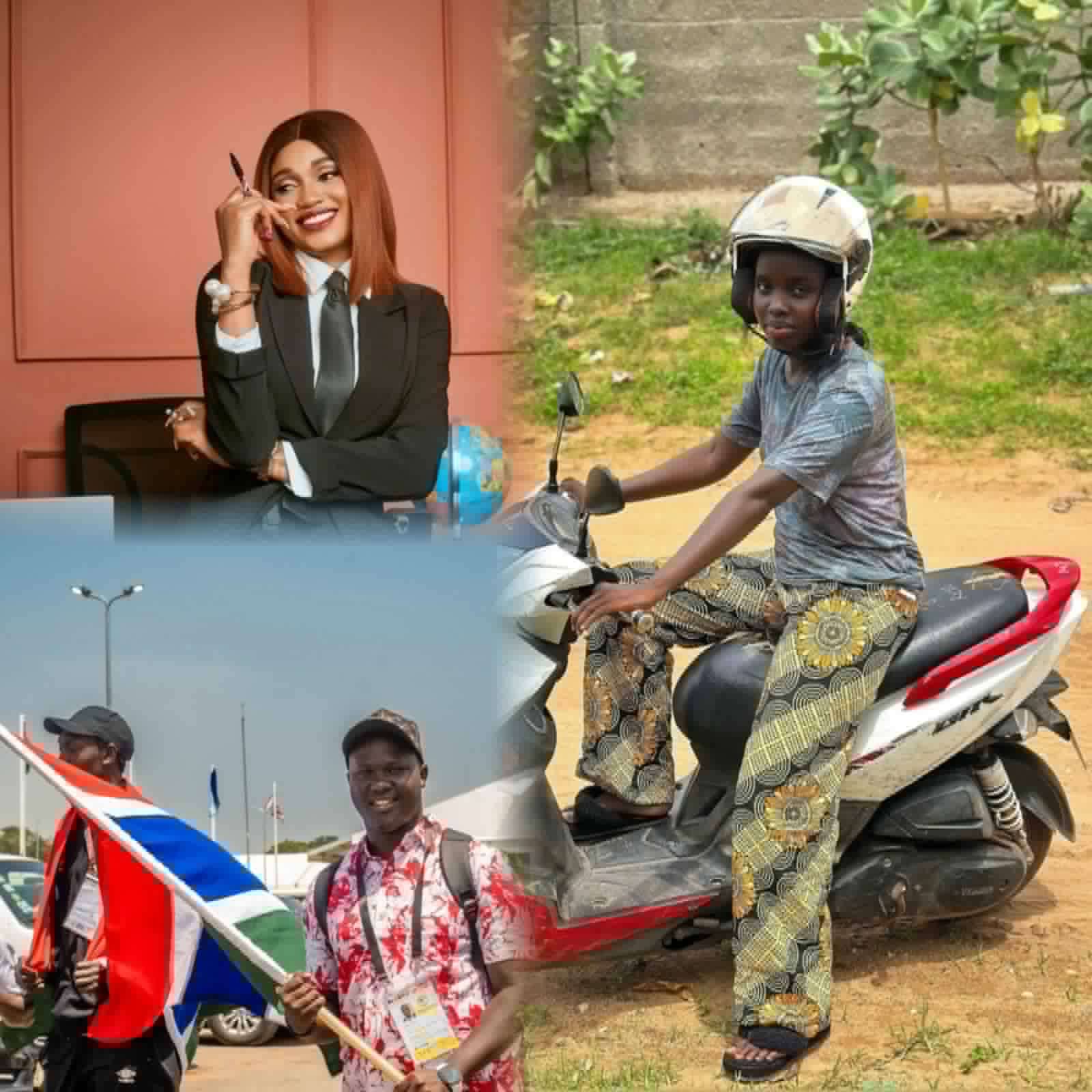
By Alieu Ceesay
In newsrooms across The Gambia, journalists rise early to chase stories, verify facts and hold power to account. Yet when the day’s reporting ends, many of them clock into a second shift—running small businesses, delivering packages on scooters or standing in front of classrooms. Modest salaries and rising living costs have forced a growing number of media professionals to seek additional income while refusing to abandon the profession they love.
For many, journalism remains a public service rather than a path to financial security. The rewards rarely match the demands of everyday life. As a result, entrepreneurship, teaching and informal work have become common survival strategies. Their experiences reveal both the resilience of individual reporters and the structural weaknesses that threaten independent media’s sustainability in a young democracy.
Tida Badjie, Chief Executive Officer of Tee Trend Media, balances two demanding worlds. Alongside her media responsibilities, she runs a fashion business, creating a second income stream that keeps her active in journalism. With careful time management and planning, she says, she can meet newsroom deadlines while dedicating hours to her enterprise.

“Journalism in The Gambia can be very challenging financially, especially when you are just starting,” Badjie explains. “There is often little to no income in the early stages and limited government support for media businesses. As a CEO, you may go two or even three years without earning a personal income while trying to build the company. At the same time, you still have to pay your staff and cover operational costs. It requires a lot of sacrifice, patience and resilience to keep the business going until it becomes financially sustainable.”
Running a business has reshaped her approach to reporting. It has given her a deeper appreciation of the difficulties entrepreneurs face and a more practical perspective when covering economic stories. The dual role, she insists, has strengthened rather than diluted her commitment to the craft.
Haddy Ceesay, a reporter with Askanwi Media, found her solution on two wheels. After purchasing a scooter that nearly emptied her bank account, she realized a single monthly salary could no longer cover the rising cost of living. “That was when I asked myself, why not use this scooter for both my journalism work and a delivery business?” she recalls.
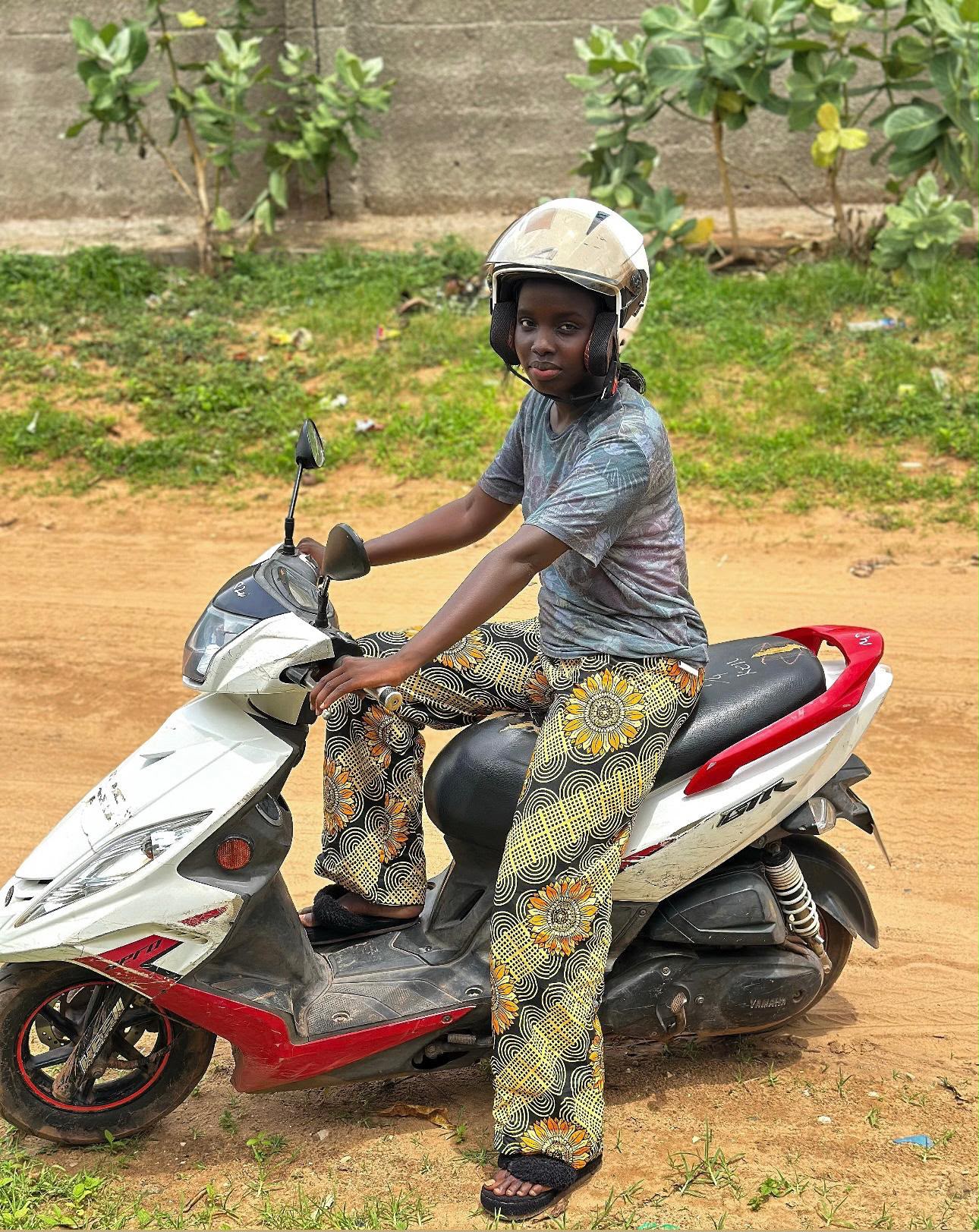
Delivery work in The Gambia is traditionally male-dominated, requiring knowledge of complex community routes and long hours on the road. Ceesay embraced it anyway. She speaks candidly about the low wages and poor welfare that characterize the media industry. “As journalists, we must also recognize the realities of our profession. Journalism is a noble career, but in today’s economic environment, relying solely on a journalist’s salary may not always provide financial stability. That is why I encourage my fellow journalists to develop other skills, start businesses or pursue side jobs that can generate additional income while maintaining professionalism and ethical standards.”
Her message to colleagues is unapologetic: “Never allow society’s expectations to limit your dreams. Be determined, work hard, embrace opportunities and never be ashamed of earning an honest living. Every dignified job deserves respect.”
Award-winning sports journalist Ebrima KB Sonko has chosen the classroom as his second workplace. A Gambia Press Union Sports Journalism Award winner, he continues to cover sporting events while teaching. He says the combination has been mutually beneficial. Teaching has sharpened his communication skills, patience and understanding of young people—qualities that improve his storytelling. Journalism, in turn, keeps him informed and curious, making him a more resourceful educator.
Yet the challenges of the media landscape remain stark. “One of the biggest challenges is funding,” Sonko notes. “There have been occasions where I secured accreditation to cover international sporting events but could not attend because I lacked the financial support to travel. Investing in quality equipment such as cameras, laptops and other essential gadgets is also a major challenge, yet these tools are vital for producing high-quality journalism.”
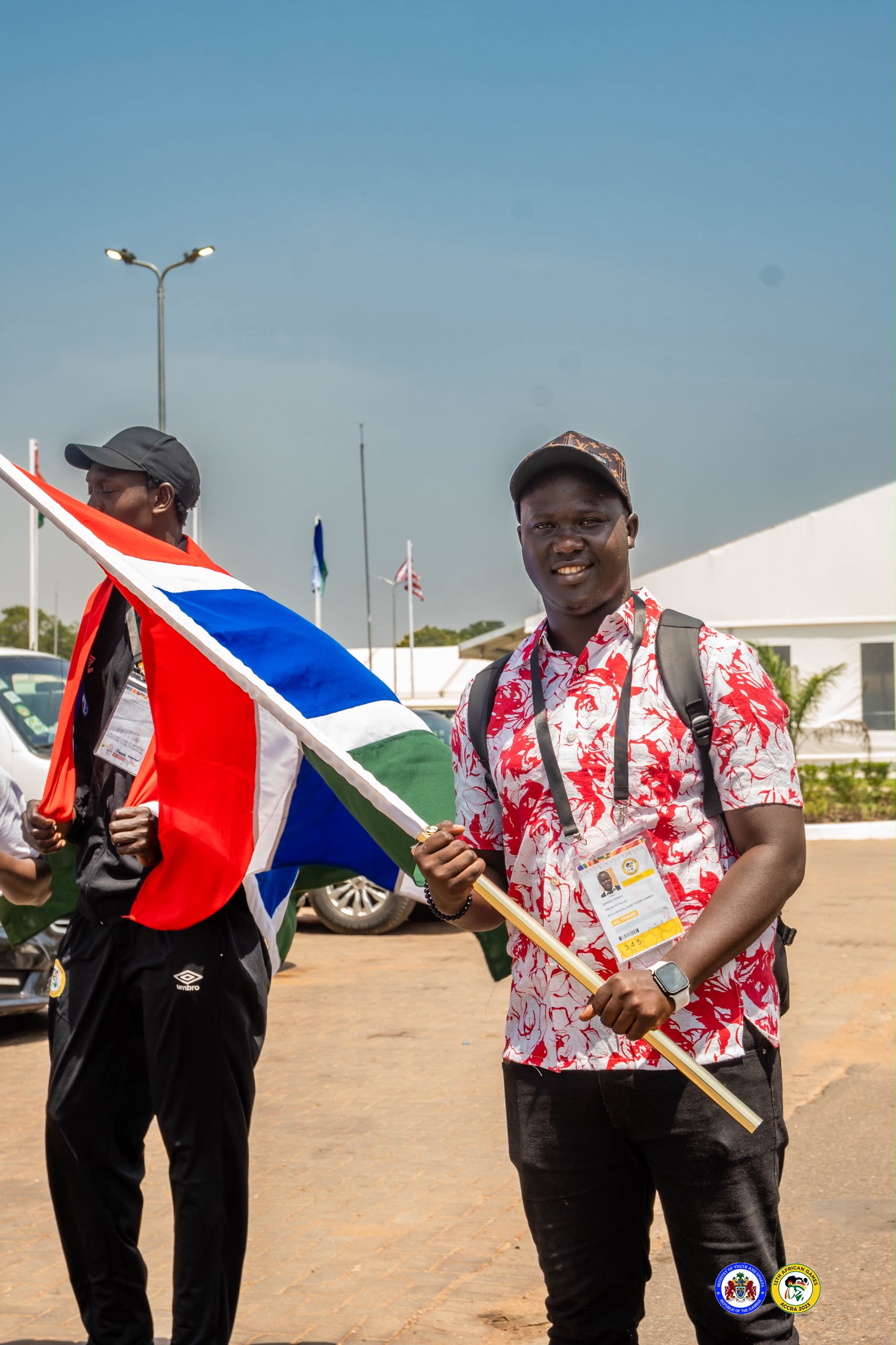
He is clear about what the industry needs: “I would like to see the introduction and enforcement of minimum standard wages for journalists. Media professionals deserve fair and decent remuneration that reflects the important role they play in informing the public and strengthening democracy.”
Data from the Gambia Press Union’s 2020 working-conditions survey, reinforced by ongoing reports through 2025, paints a sobering picture. A large share of journalists—especially younger reporters and those in smaller or independent outlets—earn well below a living wage. More than 30 percent reported earning less than D2,500 a month at the time of the survey; many still struggle around or below D3,000. Even those on higher packages of around D10,000, including transport and other allowances, find the sum insufficient against inflation and the cost of living. Side jobs in public relations, communications, teaching, small businesses or other informal work have therefore become widespread.
Sainey MK Marenah, proprietor of The Alkamba Times, one of the country’s leading online outlets, acknowledges the practical impact on newsroom operations. “It has affected us, though we have managed it carefully,” he says. “There have been occasions when assigned reporters or contributors faced scheduling conflicts or reduced availability because of legitimate second-job or family income needs. In a few cases, this delayed coverage or required us to reassign stories at short notice.”
His solution centers on flexible deadlines where possible, prioritizing committed core contributors, equipping teams with basic tools, and building sustainable digital models that gradually improve conditions. Ethical standards and clear communication remain non-negotiable so that side work never compromises independence or accuracy. “The goal remains the same,” Marenah emphasizes, “to build a stronger, more sustainable newsroom so that journalism itself can become a viable primary profession for the next generation.”
Across the fraternity, underpayment, casual employment without contracts, and the absence of health cover or pensions are common. Some contracts offer no protection against personal hardship, adding another layer of vulnerability that observers link to threats against media freedom. Experienced reporters who have cultivated sources over years often leave for non-governmental organizations, communications roles or opportunities abroad where pay is better. What remains is a newsroom in constant turnover, staffed largely by early-career journalists who have not yet developed depth.
“Put together, these pressures do not just affect the journalist; they affect the public,” says Isatou Keita, president of the Gambia Press Union. “A press that cannot pay its people fairly will struggle to consistently produce accurate, independent, investigative journalism—precisely the kind of journalism a young democracy like ours needs most.”
Keita calls for transparent, fair allocation of government advertising and public communication spending, insisting it should never serve as a reward or punishment based on favorable coverage. She also welcomes government support for a dedicated media sustainability mechanism—whether through tax relief or a media subvention—because a healthier industry ultimately protects individual journalists.
Media practitioners and industry observers insist these stories are not isolated. They reflect broader challenges facing journalism in The Gambia. Improving remuneration, strengthening media sustainability and expanding professional development opportunities, they argue, would allow journalists to dedicate more time to reporting while securing decent livelihoods.
The experiences of Badjie, Ceesay, Sonko and their colleagues highlight both the industry’s economic pressures and the determination of professionals who keep informing the public despite them. Their journeys raise urgent questions about the long-term sustainability of journalism, the welfare of media workers and the impact of low pay on press freedom and the quality of reporting.
As the media landscape evolves, many believe that better working conditions will not only benefit those inside the profession but also strengthen independent journalism and the public’s access to reliable information. Until then, Gambian journalists will keep writing the stories that matter—while quietly writing a second chapter of their own lives outside the newsroom.