By: Momodou Gagigo
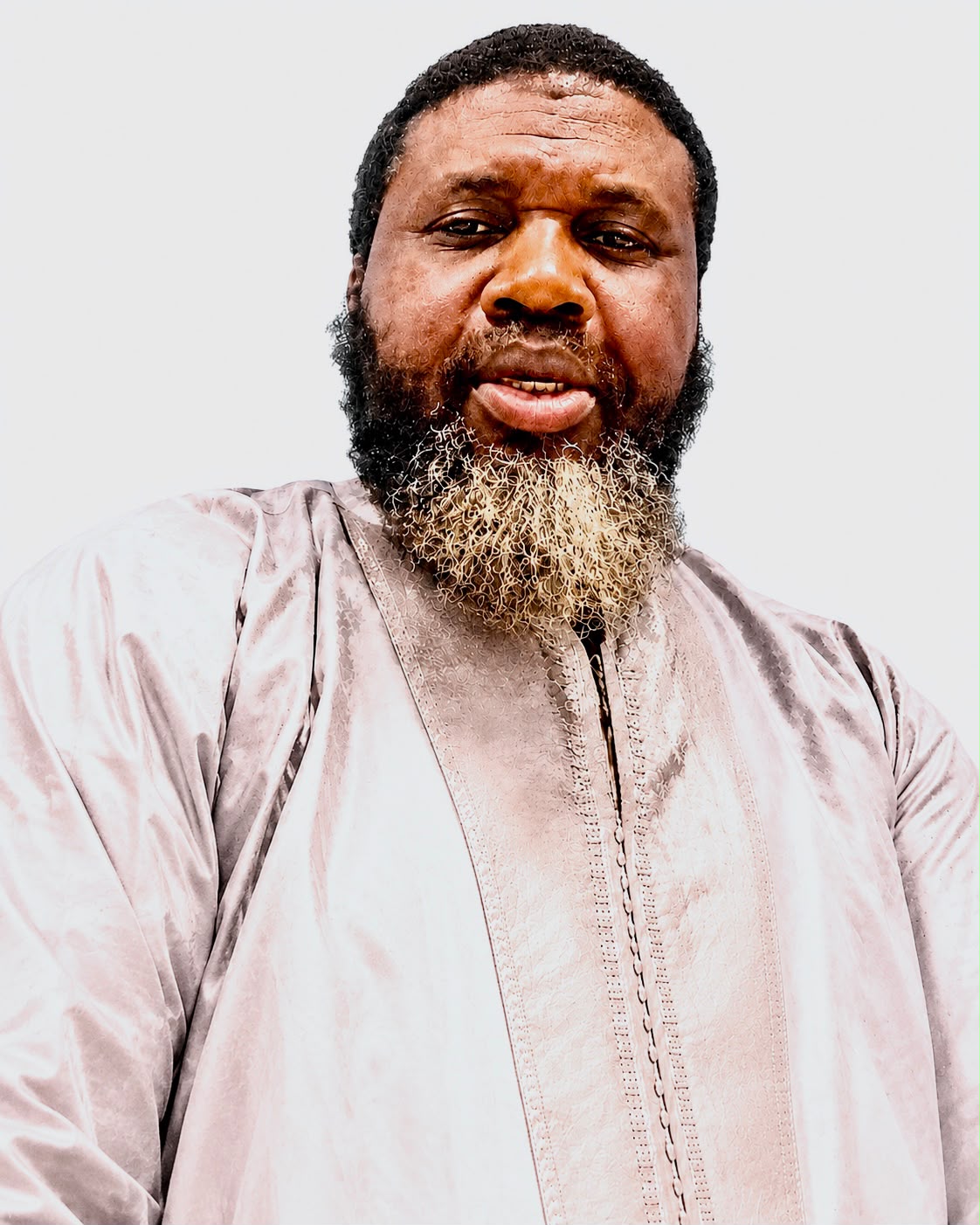
Fresh controversy has erupted in The Gambia after an audio recording circulated online in which Imam Daaru Sanyang is alleged to have made inflammatory comments about Kanifing Mayor Talib Ahmed Bensouda, including a suggestion that the mayor could seize power through the military and become President.
The recording has drawn sharp criticism from sections of the public and prominent voices, who describe the alleged remarks as divisive, dangerous and a threat to the country’s hard-won democratic stability.
Sanyang is heard questioning the support Bensouda allegedly receives from Lebanese and Mauritanian nationals. He also reportedly made claims about the mayor’s family background and identity, and suggested that if Bensouda wanted the presidency, he should abandon democratic politics, join the military, learn to use firearms and take power by force.
Political commentator and human rights advocate Madi Jobarteh condemned the comments, stressing that his response depended on confirming the recording’s authenticity. “If true, these alleged comments of this imam are despicable and irresponsible, for which he must be held accountable by both the Supreme Islamic Council and the Inspector General of Police,” Jobarteh said. He emphasized that hate speech, discrimination and exclusion have no place in Gambian society or in Islam.
“Hate speech is prohibited under the law and discrimination and exclusion are un-Islamic,” he added. Jobarteh singled out the apparent endorsement of a military coup as a direct danger to national stability and democracy. Freedom of expression, he argued, does not exempt anyone from legal responsibility. “This imam has overstepped his bounds and must be held accountable,” he said, calling for zero tolerance of hate speech and inflammatory rhetoric while affirming that rights must be exercised responsibly to protect peace and national unity.
US-based Gambian journalist and media chief Sainey M.K. Marenah was equally scathing. He described the remarks as “a disgraceful descent into tribal bigotry that has no place in The Gambia.” Marenah accused the imam of weaponizing ethnic and racial prejudice by declaring that Gambians would never elect a “Narr” and mocking a fellow citizen’s identity. “To publicly declare that Gambians will never elect a ‘Narr,’ to weaponize ethnic and racial prejudice, and to mock a fellow Gambian’s identity is not religious counsel — it is toxic tribalism,” he said. The suggestion that Bensouda should turn to the military was, in Marenah’s view, even more reckless and unpatriotic. “These are not the words of a man of God. These are the words of someone willing to poison our national unity for political point-scoring,” he stated.
Marenah warned that The Gambia cannot afford to slide into tribal politics after years of dictatorship and division. He called on Sanyang to immediately and publicly apologize to Bensouda and the Gambian people, retract the statements and own the harm caused. “Anything less is a continued assault on the very fabric of our nation,” he said. “We are Gambians first. One people. One destiny. No tribe above the Republic.”
Many Gambians online have condemned the Imam’s remarks and are calling for investigations into his actions.
The backlash comes amid rising speculation about contenders for the 2026 presidential election. Critics insist political competition must never come at the expense of peace, democratic principles or the dignity of all Gambians.