By: Aja Beyai
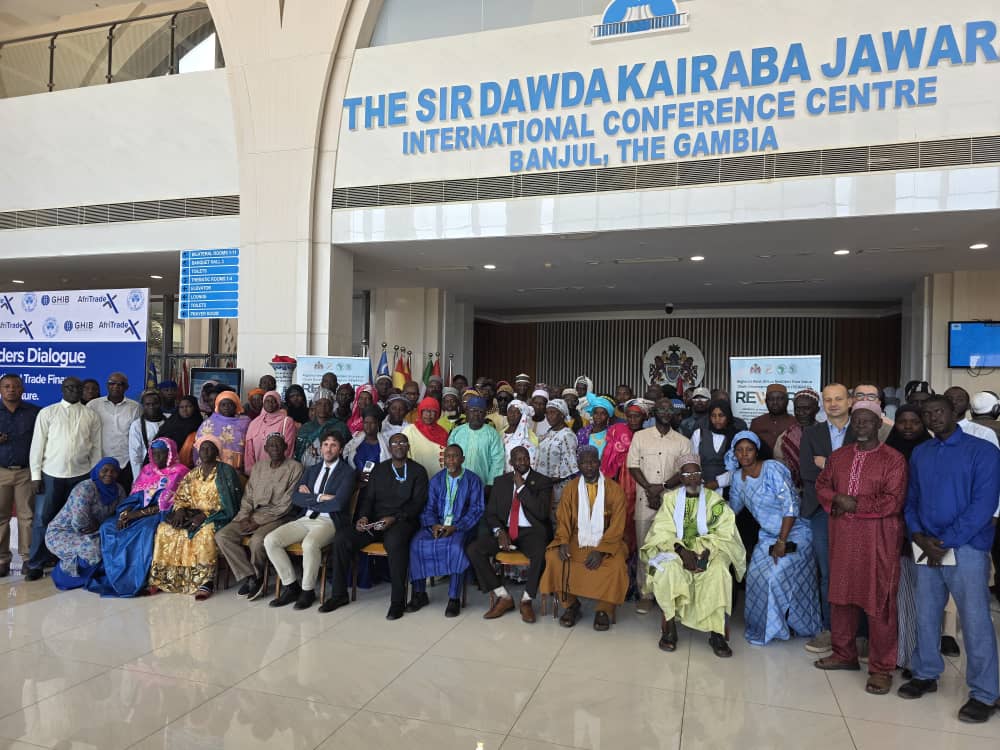
The Gambia is making significant strides toward its ambitious goal of rice self-sufficiency by 2030, propelled by the Regional West Africa Resilient Rice Value Chain Development (REWARD) project. A three-day national validation workshop concluded in Banjul at the Sir Dawda Kairaba Jawara International Conference Centre, where stakeholders gathered to refine preliminary designs for land development and infrastructure critical to boosting local rice production.
Funded by the African Development Bank and implemented through the Ministry of Agriculture, Livestock and Food Security, REWARD focuses on building climate-resilient rice value chains across West Africa, with The Gambia benefiting from targeted interventions. The project aims to develop and rehabilitate 3,002 hectares of land for rice cultivation and construct 21 kilometers of access roads to improve connectivity for rural farmers.
Participants—including policymakers, development partners, farmers, experts, and consultants—reviewed technical plans with an emphasis on participatory and inclusive approaches. Modou Sowe, a representative from the Central Project Coordination Unit (CPCU), stressed the importance of thorough scrutiny: “We’re not here to fully look into each and every design area… critique it properly, and have an all-inclusive view and opinion. Getting the land development right is critical for rice cultivation… We need to fix this problem.”
Dr. Mustapha M. Ceesay, FAO Deputy Country Representative, underscored the need for bottom-up planning. “Planning has to be a bottom-up approach, not a top-down,” he said. “We cannot do planning in isolation… It’s very important to work together for the good of the project.”
Musa Humma, Director General of the Department of Agriculture, highlighted rice’s central role in national food security efforts. “The majority of our self-sufficiency drive is on rice… This project is exclusively on rice, developing it along the value chain,” he noted. “We must get it right from the beginning. Not only doing the right things, but doing them right.”
Paolo Benetazzo, Lead Consultant from Hydro Nova, expressed optimism about collaborative progress. “It’s a pleasure to be here… We’re working hard to deliver a high-quality product,” he said. “We strongly believe in the importance of having a common and shared understanding of what we are doing.”
The REWARD initiative aligns with broader national strategies, including modern irrigation, improved seeds, mechanization, and market access in sustainable production clusters. It targets over 8,000 direct beneficiary households across the country’s seven agricultural regions, with potential indirect benefits reaching far more people.
Launched regionally in recent years and effective in The Gambia since 2025, REWARD represents a cornerstone of efforts to reduce import dependency, enhance climate resilience through irrigation, water harvesting, and climate-smart practices, and strengthen post-harvest processing, finance access, and institutional capacities.
As stakeholders finalize designs, the project stands as a beacon of hope for transforming The Gambia’s agriculture sector and achieving lasting food security amid climate challenges.