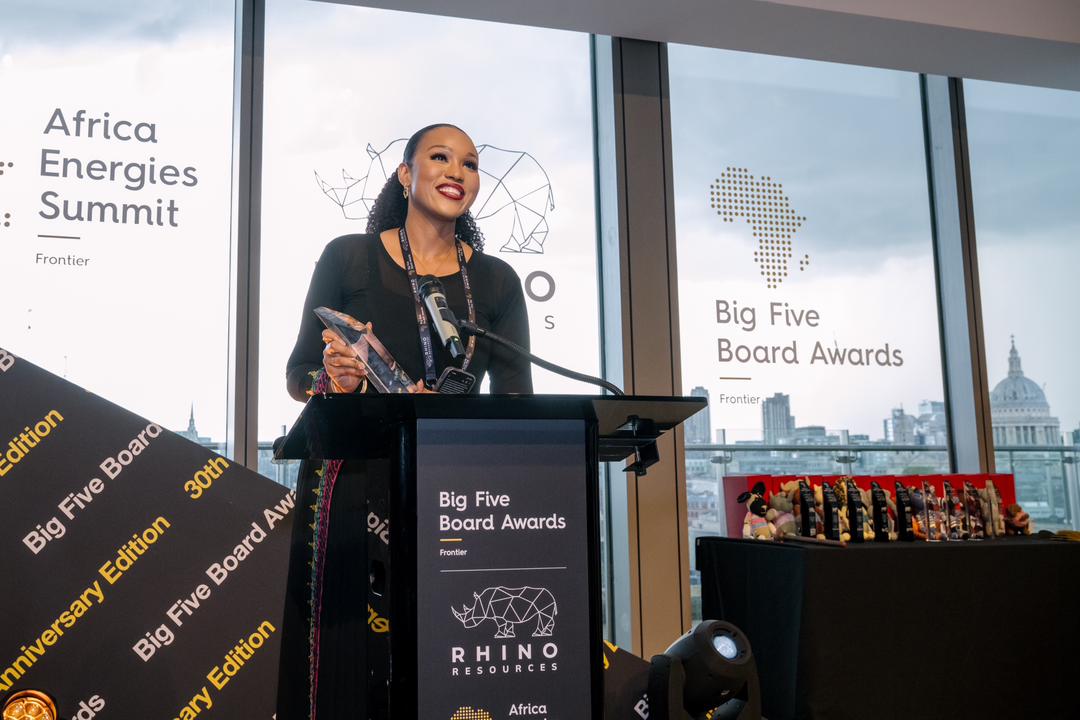
The Gambia delivered a confident performance at the Africa Energies Summit 2026, held in London from 11 to 14 May, highlighting its offshore exploration prospects in the MSGBC Basin and signaling renewed interest from international investors. The highlight of the country’s participation came when Engr. Cany Jobe, Director General of the Petroleum Commission, was named winner of the Leading Woman in African Energy Award.
Honorable Minister for Petroleum, Energy, and Mines, Hon. Nani Juwara, led the Gambian delegation. It included senior officials such as Permanent Secretary Abdoulie Jallow, Deputy Managing Director of the Gambia National Petroleum Corporation, Muhammed Jawara, Director of Petroleum, Sheick Omar Bittaye, and Data Officer Siddy Mendy. Over 800 delegates from international oil companies, governments, national oil companies, service providers, and investors attended the summit.
The Gambia maintained a prominent exhibition booth that drew significant attention by showcasing the country’s strategic location within the MSGBC Basin, improving seismic data coverage, open acreage opportunities, and its commitment to a transparent, rules-based investment climate. Visitors ranging from exploration companies and geophysical firms to data specialists and fellow regulators engaged in discussions on reconnaissance activities, petroleum systems analysis, data marketing, and potential technical collaborations.
Permanent Secretary Abdoulie Jallow delivered the national country presentation titled “The Gambia: Unlocking Exploration Potential and Positioning for First Investment.” He positioned the country as an emerging offshore frontier, emphasizing enhanced geological understanding, stronger regulatory frameworks, competitive investment terms, and opportunities extending beyond upstream exploration to include petroleum storage, bunkering, LPG infrastructure, downstream logistics, power, and regional energy supply.
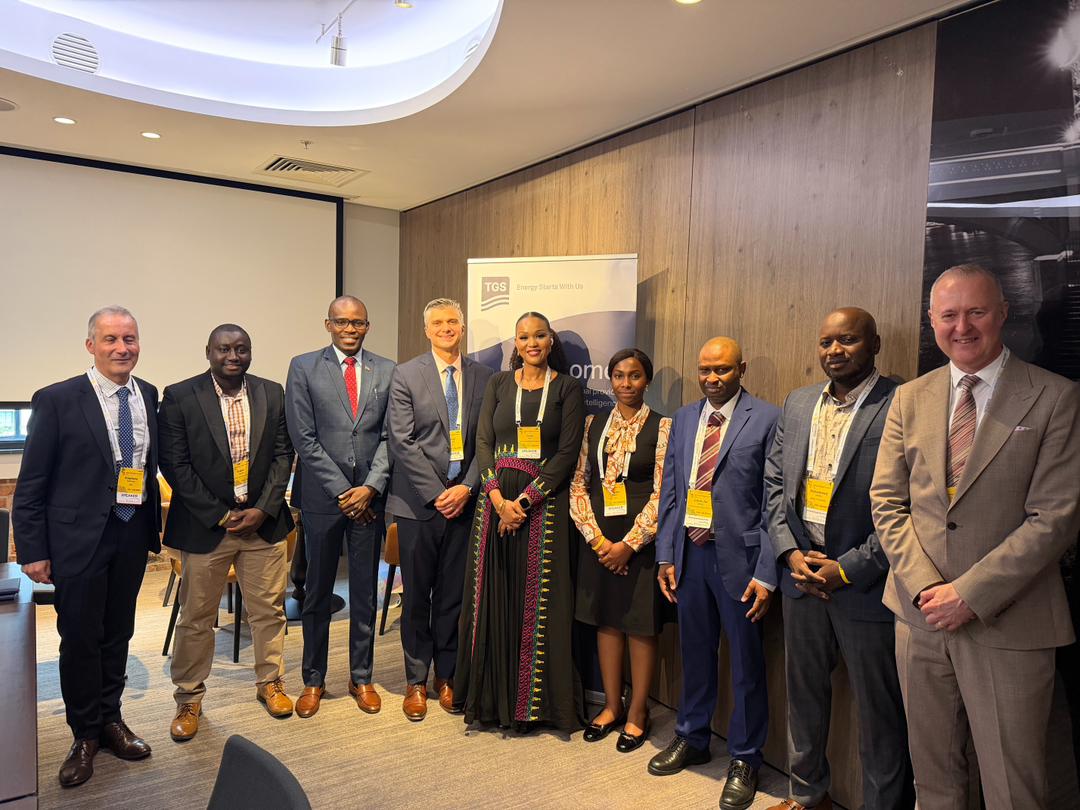
Engr. Cany Jobe participated in two high-level panel discussions. In the session on “West Africa and MSGBC: Country Strategies, Basin Data and Commercial Pathways,” she shared the stage with representatives from Côte d’Ivoire, Liberia, Viridien, and TGS. Jobe stressed that The Gambia should no longer be viewed as a vague frontier but as a structured emerging opportunity, citing its dedicated regulator, modern seismic data, model petroleum agreement, and growing technical database that now support more focused investor evaluations.
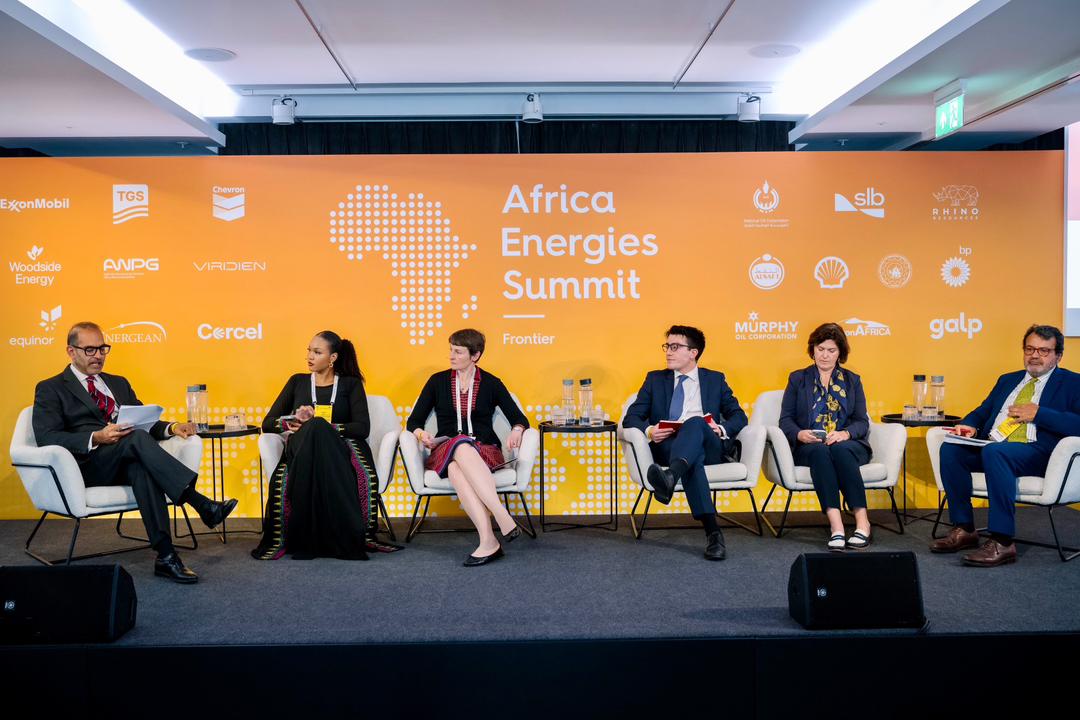
In a second panel titled “Building Africa’s Stability, Credibility and Trust: The Real Currency of Investment,” Jobe joined senior figures from Shell, New Producers for Sustainable Energy, and advisory firms. She underscored the importance of predictable regulatory frameworks, balanced state participation, and policies that safeguard national interests while remaining attractive to explorers. She noted that credibility in frontier jurisdictions is earned through consistency between policy, licensing rounds, and implementation.
On the margins of the summit, the delegation held bilateral meetings with international oil companies, geophysical service providers, and technical partners interested in data enhancement and the promotion of exploration.
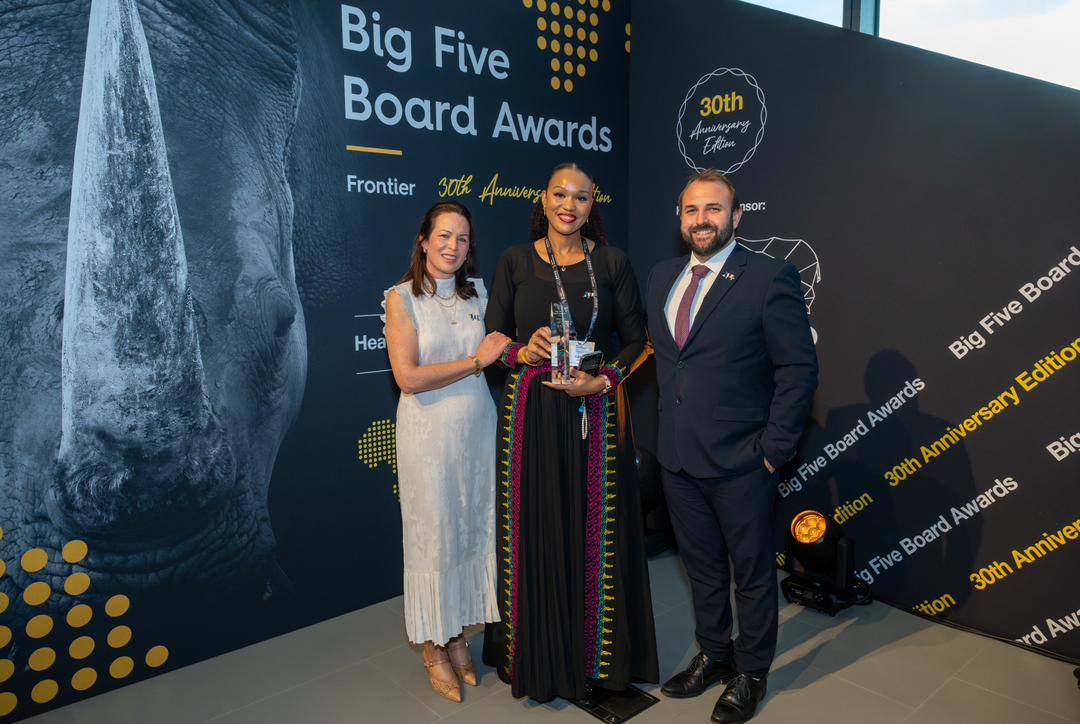
The summit culminated with the 30th Anniversary Big Five Board Awards, where Engr. Cany Jobe received the Leading Woman in African Energy Award. Nominated alongside prominent figures including Ghana’s Ag CEO Emeafa Hardcastle and Nigeria’s Special Adviser Olu Arowolo Verheijen, Jobe dedicated the honor to women across Africa, shaping the continent’s energy future. In her remarks, she expressed gratitude and a sense of responsibility toward advancing inclusive leadership in policy, regulation, and development.
Following the main event, delegation members attended a leadership seminar on licensing and contracts organized by New Producers for Sustainable Energy and partners. The session examined fiscal regimes, production sharing agreements, competitive bidding, and investment risk assessment in frontier jurisdictions.
The Gambia’s visible and substantive participation is expected to boost investor confidence and reinforce the country’s image as a credible, well-regulated petroleum destination ready for meaningful exploration activity.