By Momodou Gagigo
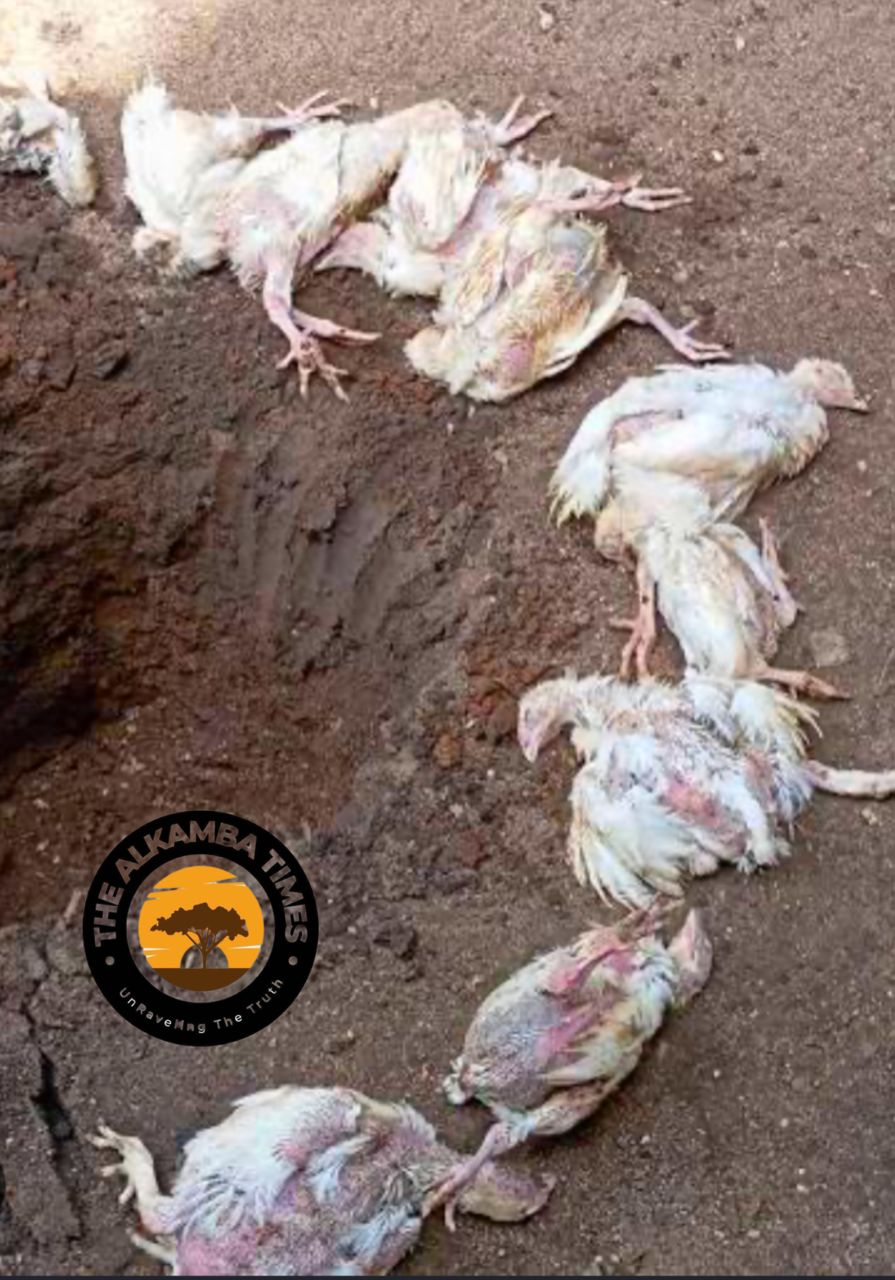
Rural poultry farmers in The Gambia are sounding the alarm as an unrelenting heatwave grips the country, pushing chickens and other domestic birds to the brink and threatening the livelihoods of thousands of small-scale operators who rely on the sector for income and family nutrition.
In recent weeks, farmers across villages in the North Bank Region and other rural communities have reported a surge in unusual bird deaths, sharp declines in egg production, loss of appetite among flocks, and escalating costs to keep surviving birds alive amid the intense temperatures. With daytime highs regularly soaring into the high 30s and beyond, the situation has become critical for many households dependent on poultry rearing.
“The heat is too much this year,” said Kadijah Jallow, a small-scale poultry farmer struggling to protect her flock. “Some chickens stop eating completely during the day, and others die suddenly because they cannot handle the temperature.”
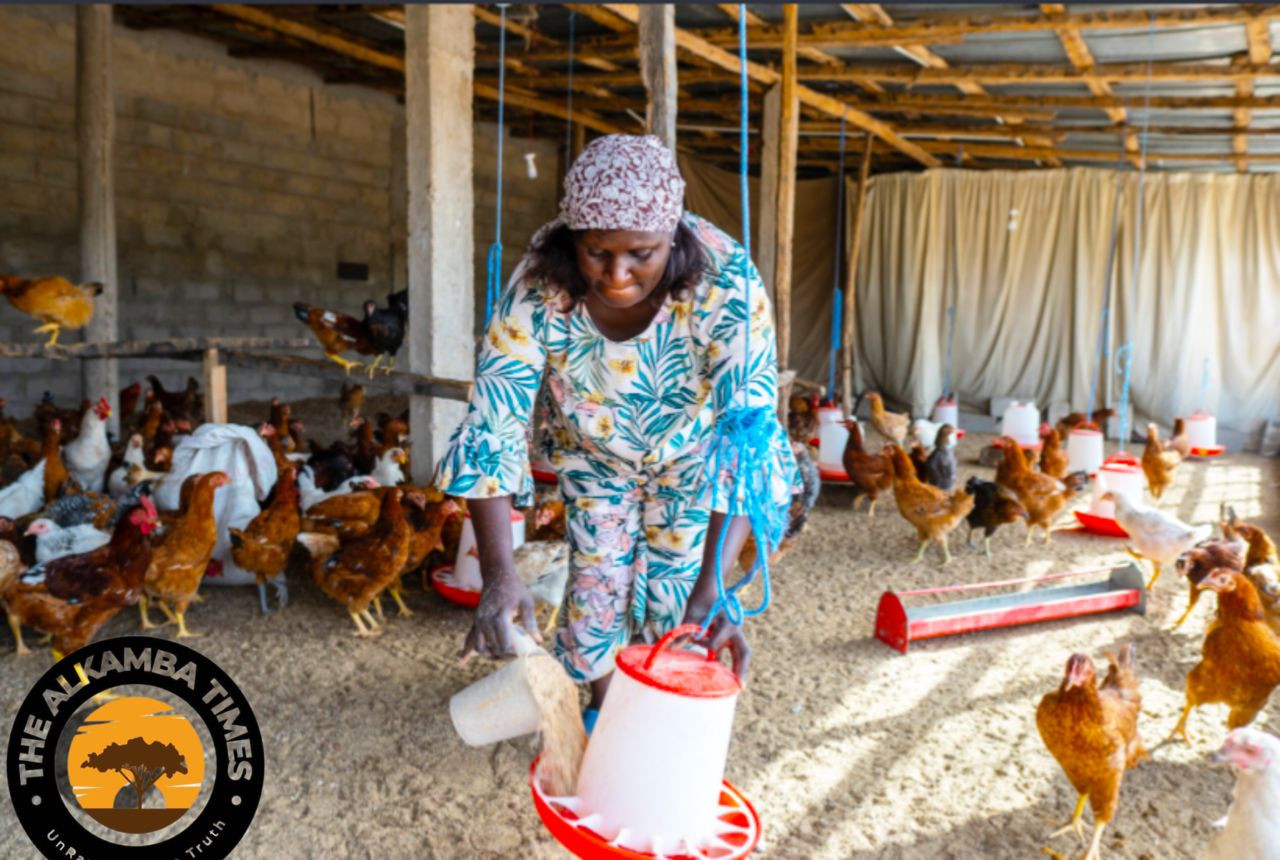
Experts warn that poultry are particularly vulnerable to heat stress, especially in rural settings where traditional poultry houses often lack adequate ventilation, shading, or reliable cooling mechanisms. When ambient temperatures exceed a bird’s comfort zone, chickens pant heavily to cool down, but quickly become dehydrated, lethargic, and prone to organ failure. Growth rates plummet, egg-laying drops dramatically, and in extreme cases, entire flocks can suffer mass mortality.
Farmers are resorting to emergency measures such as sprinkling water on the ground around pens, reducing stocking density, and ensuring birds have constant access to fresh drinking water. Yet, limited financial resources and poor infrastructure make these interventions insufficient for many.
Ousman Dibba, a poultry dealer in the North Bank Region, highlighted the knock-on effects on productivity. “When chickens are stressed by heat, they eat less,” he explained. “If they eat less, they grow slowly, and farmers lose money.”
The crisis is already rippling through local markets. Reduced supply from affected farms has some observers predicting higher prices for chicken and eggs in the coming weeks, further straining household budgets in a country where poultry provides an affordable protein source for many families.
Agricultural experts link the problem to broader climate change trends, noting that unpredictable weather patterns and rising average temperatures are placing increasing pressure on vulnerable rural communities. With The Gambia’s agricultural sector already facing challenges from erratic rainfall and prolonged dry spells, poultry farming—often seen as a low-barrier-to-entry point for women and youth entrepreneurs—is now under serious threat.
Authorities are being urged to step up support through targeted interventions: farmer training workshops on heat-resilient practices; subsidies for improved poultry housing designs with better airflow; access to affordable cooling technologies; and expanded veterinary services to monitor and treat heat-related ailments.
Livestock specialists recommend practical steps such as avoiding overcrowding, maintaining clean, abundant water supplies, enhancing ventilation in sheds, and feeding birds primarily during the cooler early-morning and late-evening hours.
Despite the mounting difficulties, many farmers remain resilient. Poultry keeping remains one of the most accessible livelihood options in rural Gambia, offering both economic independence and nutritional security. However, as temperatures show little sign of easing, concerns are growing that the coming months could prove even more punishing without swift government and partner intervention.