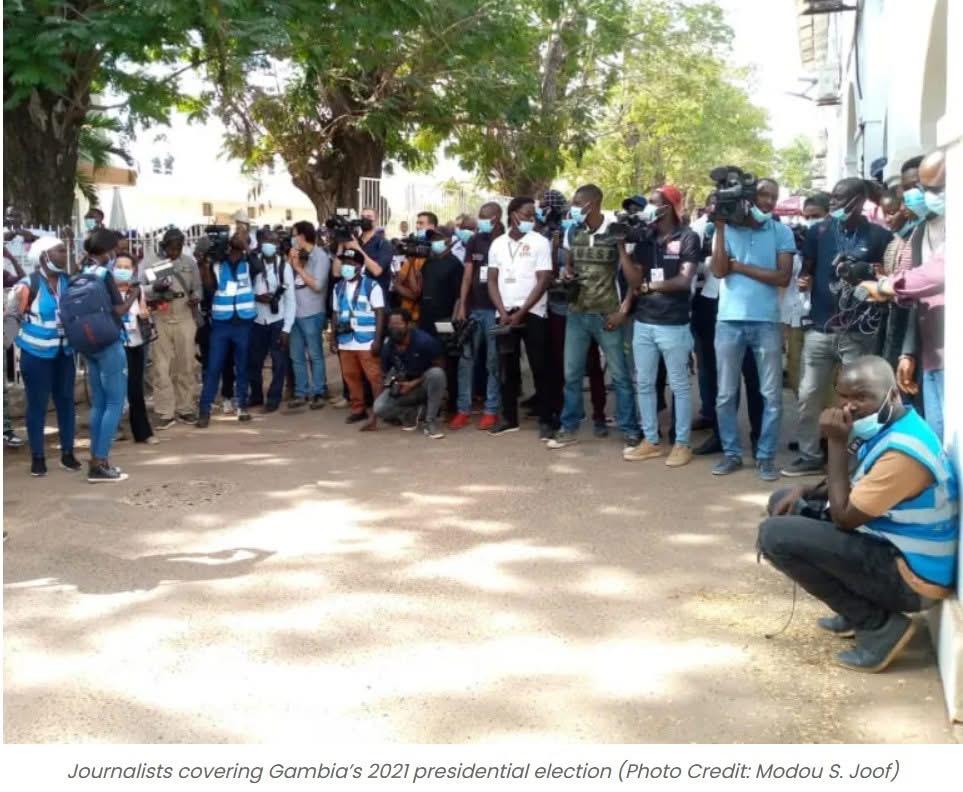
Gambian media organizations are maintaining a firm boycott of coverage of events organized by the Ministry of Information, Media and Broadcasting Services and the Public Utilities Regulatory Authority (PURA), in protest against three controversial regulatory proposals introduced in 2026.
The action, triggered by an emergency meeting on 8 April 2026 at the Gambia Press Union (GPU) headquarters in Fajara, involves at least 16 media groups, civil society organizations, and academics.
It is strictly limited to news coverage and participation in activities hosted by the two institutions. Media houses continue normal operations on all other national and international stories.
The disputed instruments are the Broadcasting and Online Content Regulations; the Broadcasting and Online Content Licensing, Registration and Authorization Guidelines, 2026; and the Journalists Registration Guidelines, 2026.
Stakeholders argue that the proposals would grant PURA sweeping powers to register, suspend, or revoke the registration of journalists, online media outlets, and influential social media users (referred to as SPURs – Social Media Users with Significant Public Reach). They fear this could lead to state-controlled accreditation, content moderation, interference in editorial independence, and a reversal of press freedom gains achieved since the democratic transition.
GPU President Isatou Keita stated clearly: “We hereby totally reject the proposal. We cannot participate in the proposed consultations… since our participation would be seen to legitimize the proposed state-controlled system of accreditation and registration of journalists and online media houses.”
The boycott gained strength after media groups refused to attend a PURA validation workshop on 13 April.
Information Minister Dr. Ismaila Ceesay responded dismissively, reportedly saying, “That’s their problem. That’s what I usually want, for them to boycott.” The remark drew widespread criticism and further solidified media unity.
The Gambia Online Media Association (GOMA) welcomed the “successful” boycott and praised the industry’s solidarity, while expressing concern over the minister’s statements.
In a clarification, the Ministry of Information insisted the regulations target only licensed broadcasters and designated online content providers exercising editorial control. It emphasized that journalist registration is an administrative measure, not a license to practice journalism, and does not impose prior censorship or affect ordinary social media users.
Despite these assurances, media stakeholders remain unconvinced. They have vowed to continue the blackout until the proposals are withdrawn or substantially revised to protect constitutional freedoms of expression and the press.
The standoff underscores deepening tensions between the government and independent media in The Gambia over how to balance regulation with democratic principles in the digital era.