By: Abdoulie John
More than four decades after Mauritania officially abolished slavery, the practice has not vanished. It has gone underground, according to a leading Mauritanian expert on communities discriminated against because of work and ancestry.
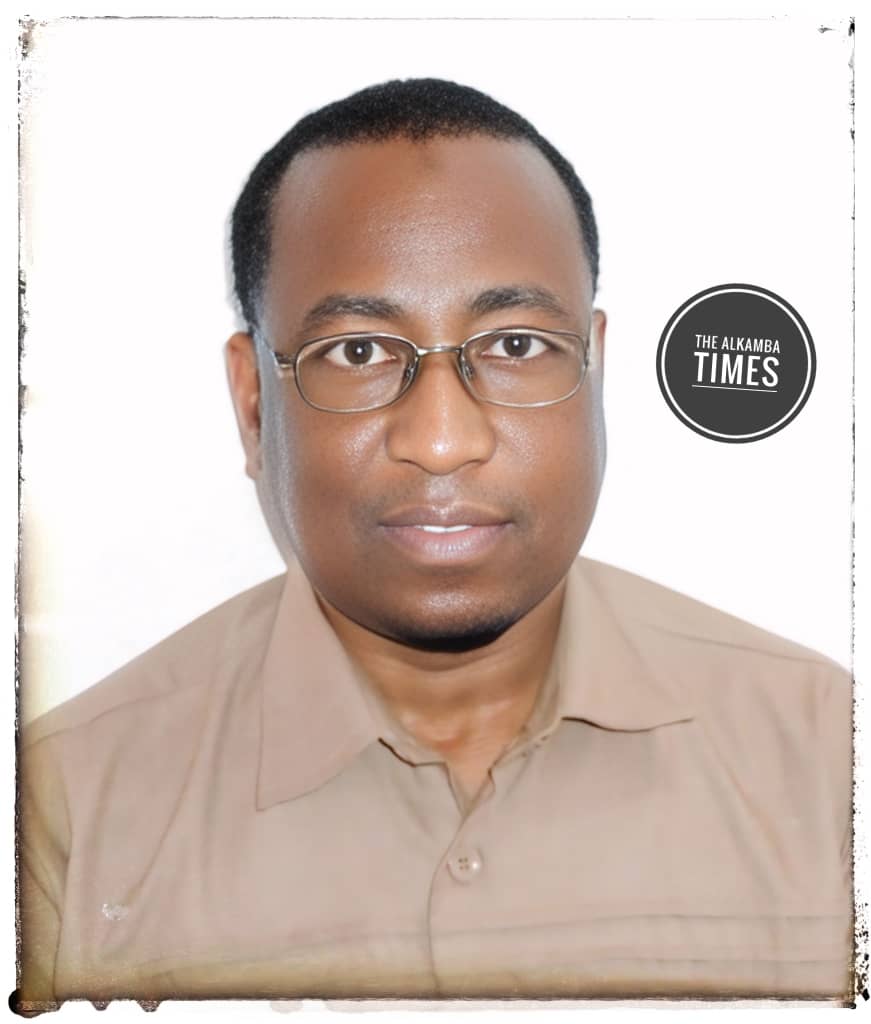
In an exclusive Interview with The Alkamba Times ahead of the Dakar NGOs Forum and the forthcoming ordinary session of the African Commission on Human and Peoples’ Rights, Sheik Sidati Hamady said hereditary servitude remains a lived reality in parts of the country. “I fully agree” that slavery is still practiced, he said. People are still born into dependence that the law does not recognize but that society continues to enforce.
The pattern, he argued, is no longer the mass, institutionalized bondage of earlier generations. It is residual, concealed, and rooted in social structures that many victims and witnesses no longer dare to name. Women, men, and children in some rural and remote communities are still put to unpaid work in fields, livestock herding, and domestic service.
They lack genuine freedom of movement and have little real power to refuse the tasks imposed on them.
Hamady’s assessment tracks reports from SOS Esclaves, IRA Mauritania, Amnesty International, Human Rights Watch, and the United Nations Special Rapporteur on contemporary forms of slavery. All point to the same conclusion: de facto slavery has not disappeared.
Mauritania abolished slavery in 1980–1981, criminalized it in 2007, and classified it as a crime against humanity in 2015. Specialized courts were created. On paper, the legal architecture is unusually strong. In 2026, Hamady said the problem is no longer missing statutes. It is enforcement.
Prosecutions and convictions remain rare compared with the cases documented by rights groups. Victims still struggle to obtain justice, protection, and redress. At the same time, abolitionists who denounce the practice or demand that existing laws be applied continue to face arrest, prosecution, and imprisonment. Some remain behind bars.
That gap between official commitments and daily life, he said, measures political will. “We cannot claim to be effectively combating slavery while leaving victims without genuine redress and condemning or imprisoning those who denounce these practices.” Results, not declarations, now matter: protection for victims, prosecution of perpetrators, compensation, and the release of activists convicted for peaceful human-rights work.
Hamady’s organization treats slavery and hereditary servitude as crimes against humanity and as violations of Mauritania’s international obligations. Its strategy has several parts.
The first is documentation and advocacy. Activists collect testimonies, especially in rural areas and among the most vulnerable communities, and submit alternative reports to UN mechanisms, including the Special Rapporteur on contemporary forms of slavery, the Universal Periodic Review, and the human rights and children’s rights committees. The group also takes the same concerns to the African Commission on Human and Peoples’ Rights.
Nationally and internationally, the group presses the government to acknowledge that slavery persists, to apply the 2007 and 2015 laws, and to build public policies of prevention, protection, and redress.
The second is legal aid and material support. Where possible, the organization provides free assistance: filing complaints, following cases, and representing victims in specialized courts. It also works with local and international partners to help formerly enslaved people and their families gain housing, literacy, vocational training, land, and microcredit. Reprisals against witnesses, victims, and activists — arbitrary arrests, intimidation, and violence — are denounced as a matter of course. Hamady’s central warning is blunt: so long as abolitionists are jailed for speaking against slavery, the fight is unfinished.
The third is social change. Campaigns in mosques, schools, markets, and on community radio explain that slavery is illegal and contrary to Islamic principles of justice and dignity. The group works with religious leaders, traditional chiefs, and women community leaders to chip away at caste hierarchies and the stigma attached to “descendants of slaves.” Civic-education programs in national languages aim to explain what rights people have and how to use them.
A fourth strand is coalition-building. Activists are trained in paralegal work, security, documentation, and communication. Partnerships link Mauritanian groups such as SOS Esclaves, Ganbanaxu, and the Association of Haratines of Mauritania in Europe with Amnesty International, Human Rights Watch, the International Labor Organization, the United Nations, and the African Commission. Petitions, peaceful marches, and days of remembrance keep public pressure on the state.
Hamady said that law alone will not finish the work. Ending slavery, he said, requires enforcement and access to justice, a deep shift in attitudes, inclusive development, and full recognition that all citizens are equal regardless of origin or inherited status. It also requires, immediately, the release of abolitionists imprisoned for peaceful advocacy and an end to arbitrary prosecutions of those who defend dignity and equality.
As African human-rights institutions gather in Dakar, that unfinished agenda — residual bondage, weak enforcement, and the criminalization of dissent — is likely to follow Mauritania into the room.