The Uniform, the Desk, and the Chief
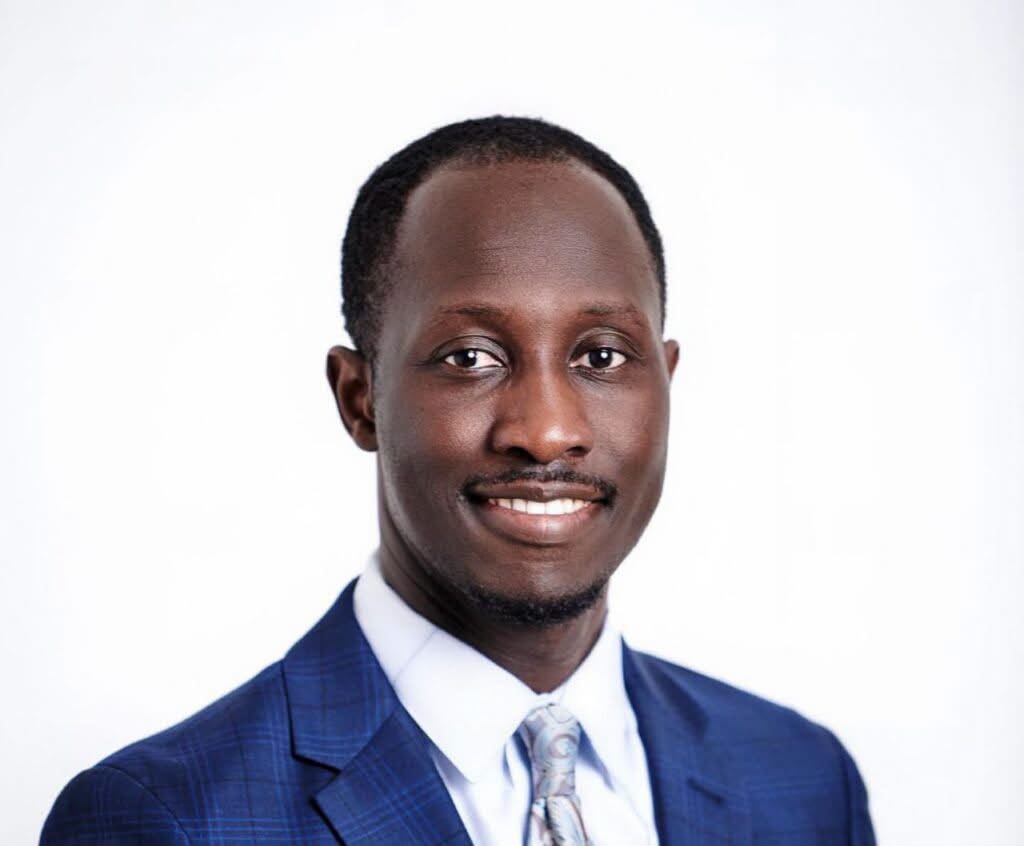
By Sarjo Barrow, Esq.
At a rally in Sukuta in early November 2025, President Adama Barrow said his ministers, governors, chiefs, and village heads would campaign for his re-election because he appoints them. He reasoned that, according to The Standard, he appoints these people, so they will support him, and “that is what makes all of them politicians.” Nearly a year later, in September 2026, Kerr Fatou reported that presidential youth adviser Lamin K. Saidy warned security officers not to openly support the opposition and told chiefs to back the government. Many Gambians called both actions an abuse, but outrage and illegality are not the same. Before December, it helps to separate three groups governed by different rules: one case is clear, one is debatable, and one is probably legal.
Start with the clearest of the three, where there is no gray area. Soldiers, police officers, and prison, fire, or intelligence officers hold the state’s power—such as arms, arrest, and force. If that power is used to support a political party, elections are no longer free, because the system meant to protect everyone starts to serve only one side. This is why the “off duty” question does not really change the rule for uniformed officers. Open partisanship is a problem whether the officer is working or not, and the badge is meant to serve whoever wins. However, wearing a uniform does not take away an officer’s right to a private vote or personal opinion. Officers are not expected to be empty of views, just to keep their official role out of politics. The United States, which has a similar system, follows the same idea: its active-duty military and sensitive agencies are not allowed to campaign for parties, even when off duty. Guns and badges stay out of party politics there, too. So the adviser is right that uniformed officers should not campaign, but it is wrong to warn only those who support the opposition. Neutrality means not favoring the ruling party either—it forbids open support for the government just as much as for its rivals.
Ordinary civil servants present a harder case. The 2013 Code of Conduct lets them vote and hold personal views but bars party office and partisan demonstrations, while the General Orders allow party membership. The Constitution also protects assembly and association, subject to reasonable and necessary limits. Neutrality matters: a clerk handling your file should not act as a partisan. But a blanket off-duty ban treating drivers, cleaners, junior clerks, and permanent secretaries alike may go beyond protecting fair administration. In Ousainou Darboe’s challenge to the Public Order Act, the Supreme Court said limits on rights must remain limits, not total bans, and be truly necessary. No court has decided this issue, but a one-size-fits-all rule is open to constitutional challenge.
This is where the American and Gambian systems differ, and the contrast is important. In the United States, only the President and Vice-President are exempt from the Hatch Act; every cabinet secretary below them must follow it and can only campaign within strict limits. The Gambian rule is different. It does not look at seniority, but at whether someone holds a public service office. The Code of Conduct, the General Orders, and section 170 of the Constitution apply only to civil servants, and ministers are not included. Ministers, like the President and Vice-President, hold political office, so the neutrality rule was never meant for them. A minister stays in office at the President’s pleasure and can be removed by the President at any time. The main point is clear: once you accept a ministerial position—whether you are a technocrat or a lifelong party member—you become a politician and are expected to campaign. This includes the Attorney General. However, the Attorney General is different, because that office is also the country’s main legal adviser and oversees prosecutions, which requires impartiality even during campaign season. For other ministers, the real problem is not that they support the President, but that they use ministry staff, vehicles, or budgets for the party. Campaigning is their right; using public resources for it is not.
The situation with chiefs and governors is even more complicated than with ministers, and the public’s frustration is understandable. Telling seyfolu and alkalolu to campaign for the incumbent seems like turning the whole local administration toward one person, and the idea of “I employ them, so they must back me” makes people uncomfortable. But they are not exactly ministers or civil servants. Governors, chiefs, and village heads are appointed by the President and have public authority, but the Constitution does not clearly include or exclude them from the neutrality rule. This lack of clarity is what makes the issue genuinely debatable. On balance, ordering them to campaign is politically troubling and runs counter to impartial local administration, but it is probably legal rather than a clear violation. The bigger concern is not that a chief supports the President, but what happens to a chief who does not—whether a village head who stays neutral or supports the opposition can keep his job.
Being lawful is not the same as being right. The danger is a state that silences opposition supporters while rewarding ruling-party support. Neutrality should keep public power from becoming any party’s property, not silence public servants. This December, keep the issues separate: enforce neutrality for uniformed officers, question blanket restrictions on civil servants, and oppose forcing chiefs to campaign even if it is legal. The real test is whether the state still belongs to everyone the day after the election.