By: Fatou Dahaba
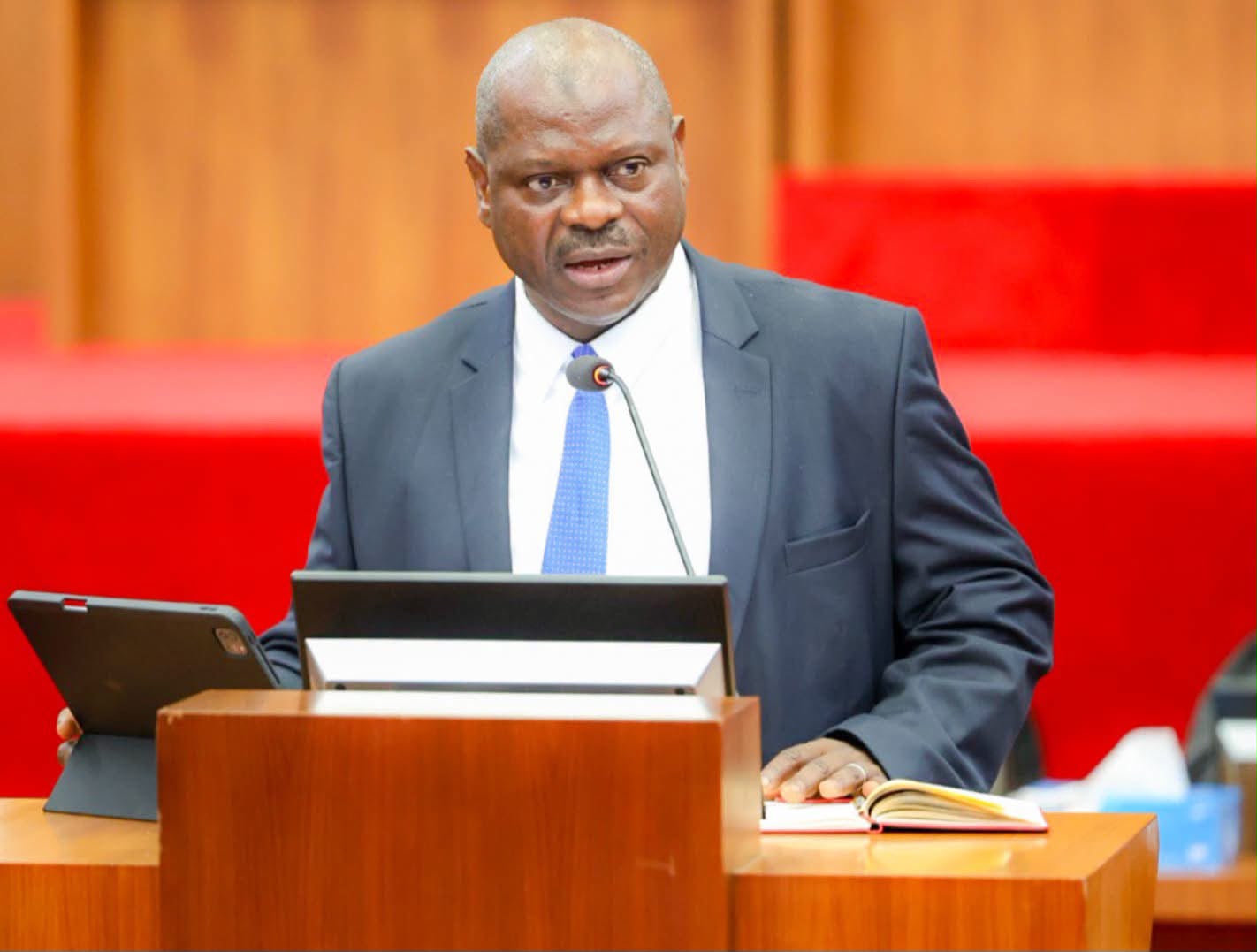
The Gambia spent D3.10 billion on debt interest payments in the first six months of 2026, Finance Minister Seedy Keita told the National Assembly, underscoring the continuing burden of debt servicing even as domestic revenue improved.
Presenting the Mid-Year 2026 Revenue Report, Keita said interest payments rose 18 percent from the same period in 2025 and already accounted for 45 percent of the full-year amount budgeted for debt interest.
Domestic debt interest made up the bulk of the bill at D2.50 billion, up 17 percent year on year. External debt interest reached D600 million, a 21 percent increase. The minister said rising servicing costs, particularly on domestic obligations, continued to squeeze other areas of government spending.
Total Government Local Funds expenditure and net-lending stood at D15.42 billion at mid-year — 42 percent of the approved D36.49 billion annual budget and 6 percent higher than spending in the first half of 2025. Personnel emoluments cost D5.06 billion and subsidies and transfers D3.62 billion. Together with debt interest, those three lines accounted for D11.76 billion of outlays.
On the revenue side, domestic collections excluding project grants reached D15.35 billion, an 8 percent rise from D14.24 billion a year earlier. Tax revenue climbed to D13.36 billion and non-tax revenue to D2.00 billion.
Keita attributed the stronger tax performance to gains in both direct and indirect taxes. Corporate Income Tax rose 5 percent and Personal Income Tax 9 percent, while Rental Income Tax jumped 109 percent. Higher collections lifted indirect tax receipts from Domestic VAT, Customs Processing Fees and Import VAT on non-oil goods.
Expenditure still slightly outpaced revenue, producing a gross deficit of D68.86 million. That shortfall was sharply lower than the D265.41 million recorded in the first half of 2025.
The government, Keita said, has adopted fiscal consolidation measures to keep public spending disciplined while responding to external shocks. The aim is to strengthen domestic revenue mobilization, extract better value for money and reduce the need for further borrowing through the remainder of 2026.
The mid-year figures highlight the tight fiscal space facing The Gambia: revenue is growing, but debt service, wages and transfers continue to absorb the large majority of available resources.