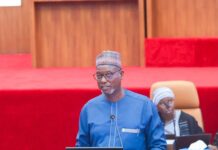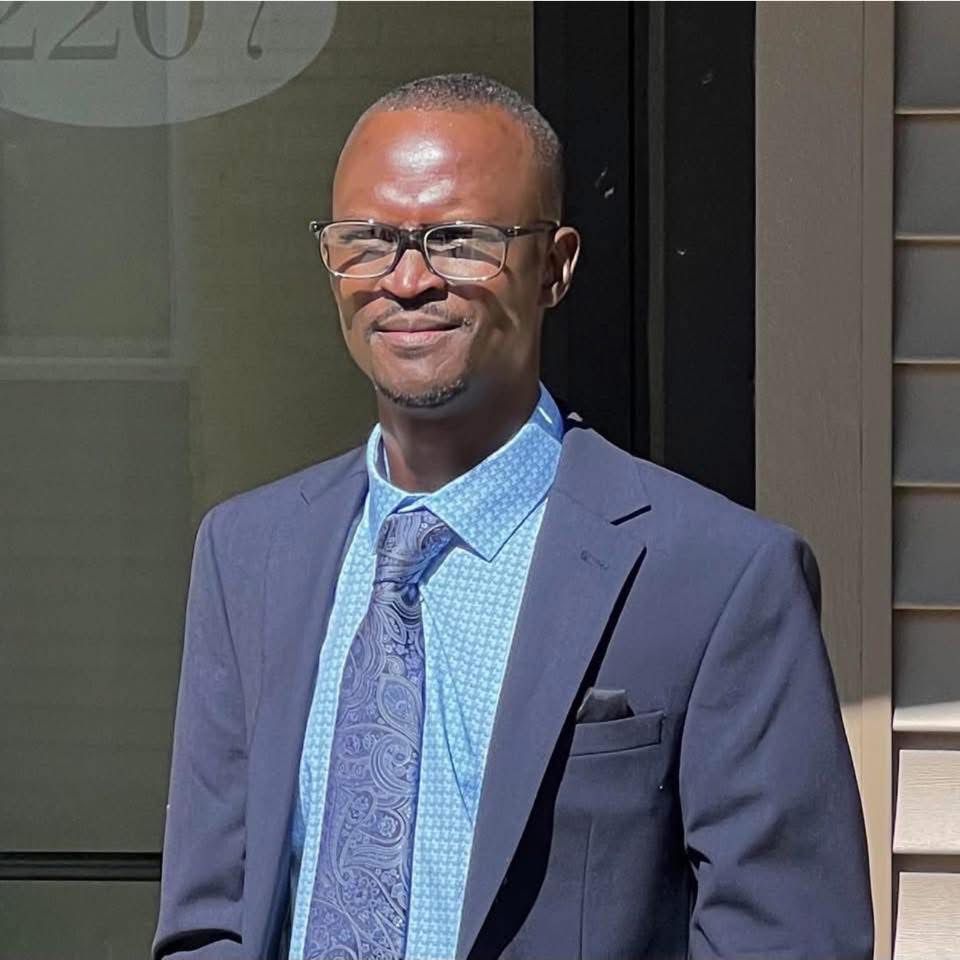
Prominent Gambian-born US-based political scientist Dr. Lamin Keita has issued a strong call for inclusive coalition politics, cautioning that the wholesale exclusion of members of the Alliance for Patriotic Reorientation and Construction (APRC) from opposition talks risks deepening national divisions and undermining Gambia’s democratic transition.
In a detailed statement released on Thursday, Dr. Keita argued that while many Gambians still carry painful memories of human rights abuses during former President Yahya Jammeh’s rule, treating all APRC members as politically untouchable would amount to “divisive politics” that contradicts the principles of national reconciliation and democratic inclusion.
“APRC members are Gambians first before party affiliation,” Dr. Keita stated. “Political exclusion based on party identity would amount to divisive politics that undermines the very principles of national reconciliation, democratic inclusion, and institutional reform that many Gambians seek today.”
The academic acknowledged the serious violations committed by certain individuals within the former APRC regime but stressed that it would be unfair to paint every supporter or member with the same brush. He noted that many Gambians across the political spectrum remained silent during Jammeh’s era, drawing a parallel to current supporters of the ruling National People’s Party (NPP).
“The major problem facing our country has never been the existence of a single political party,” he said. “Instead, the deeper challenges lie in the concentration of excessive authority in individuals and weak institutions that allowed abuse of power to flourish.”
Dr. Keita emphasised the need to separate individual accountability from collective punishment. He referenced fellow analyst Dr. Lamin Manneh, agreeing that sustainable coalition-building cannot succeed if rooted in punishment or selective political citizenship. Actions by some individuals within any party, he argued, should not define all its supporters.
At the heart of his message is a vision for a new political culture focused on institutional reform rather than cycles of exclusion and hostility. Dr. Keita called for stronger democratic safeguards—including independent courts, accountable security forces, term limits, and constitutional restraints—to prevent future authoritarianism, regardless of which party holds power.
“Coalition politics should focus on building stronger democratic institutions capable of preventing future authoritarianism,” he said. “Strong laws and constitutional restraints are what will protect Gambians, not the exclusion of particular political groups.”
Importantly, Dr. Keita clarified that his position does not mean abandoning justice. Perpetrators of crimes must face lawful and transparent accountability processes to deliver justice for victims. However, he warned that alienating a significant portion of society through blanket exclusion could reproduce the same politics of marginalisation that Gambians criticise.
“Our national unity cannot be selective,” Dr. Keita concluded. “Gambia’s democratic transition would only succeed when we move beyond partisan hostility and collectively establish institutions that protect all citizens equally.”
The statement comes at a sensitive time as opposition parties debate strategies ahead of future elections. Political observers note that Jammeh’s legacy continues to cast a long shadow over Gambian politics, with deep public distrust toward the APRC. Yet Dr. Keita’s intervention highlights a growing conversation about whether exclusionary tactics serve long-term democratic health or merely perpetuate old wounds.
Failure to do so, he suggests, could hinder the country’s ability to build resilient institutions for future generations.