By Momodou Gagigo
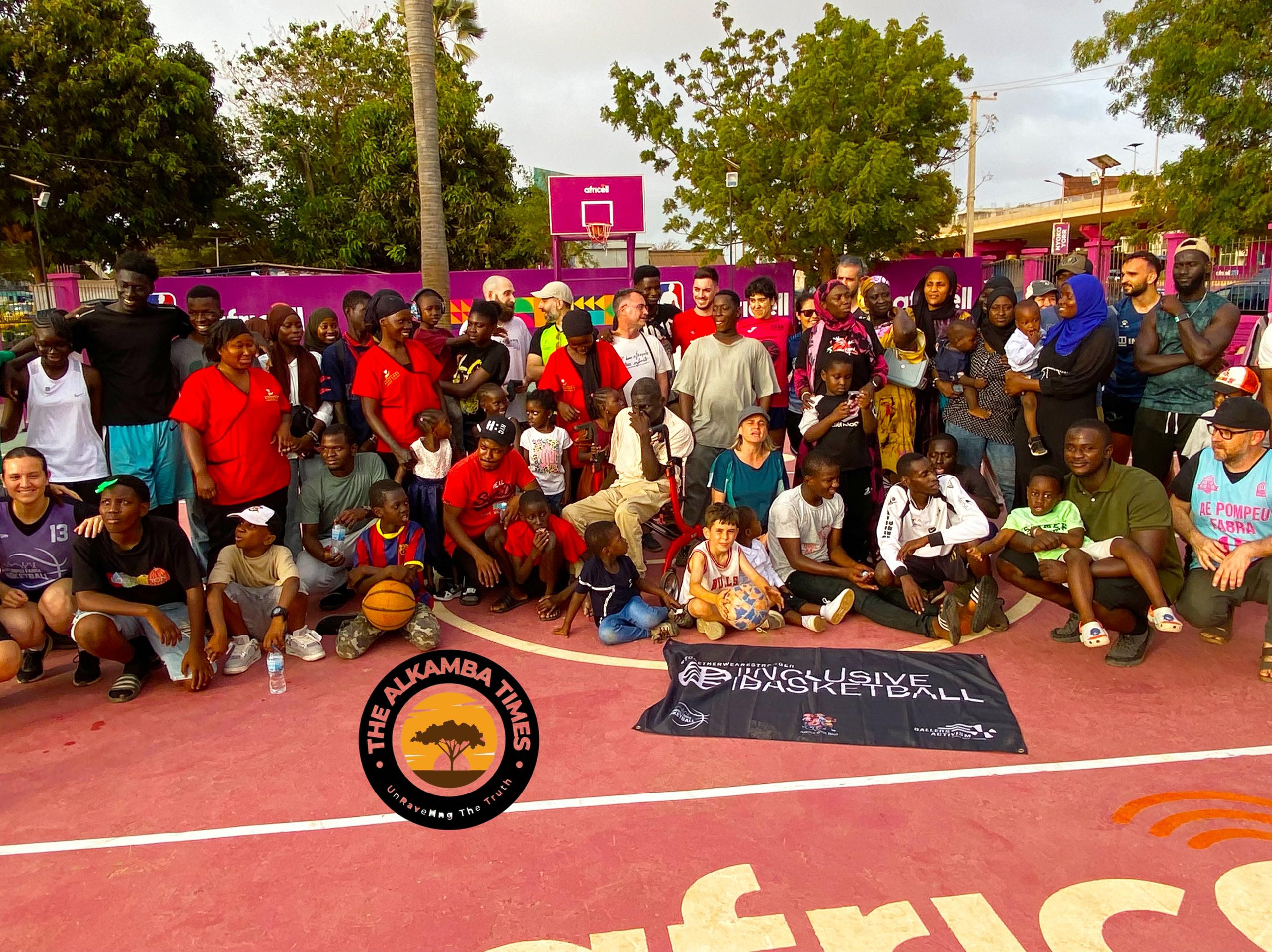
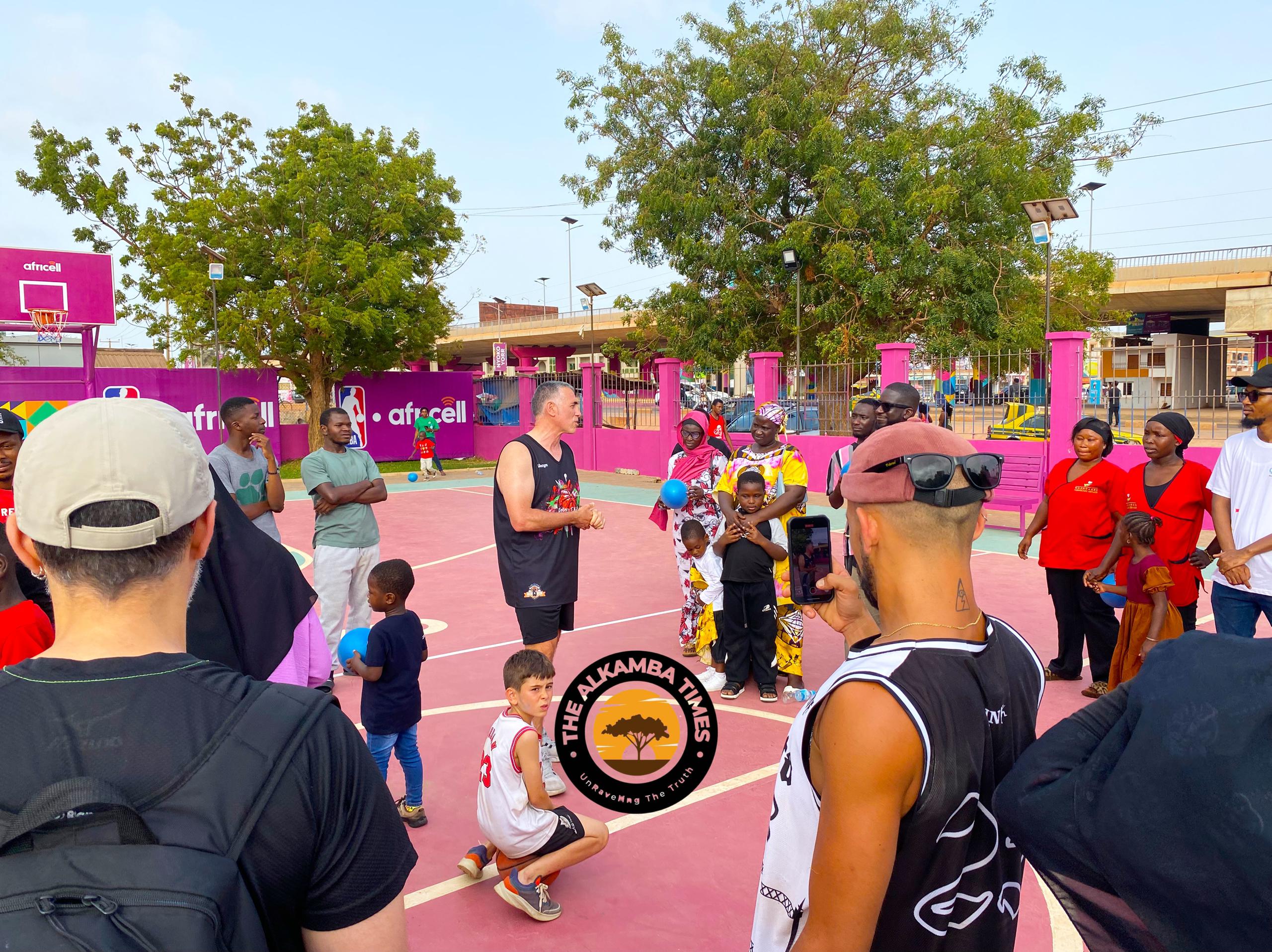
Laughter rang out across the sunlit basketball court as children darted freely between hoops, their parents exchanging knowing smiles and volunteers joining in the games. What appeared to be a simple community sports day carried profound significance for dozens of families living with autism and neurodivergence in The Gambia, a nation where stigma, silence, and isolation have long defined their daily reality.
The event, organized by the AE Pompeu Fabra Association in partnership with Together For Autism Gambia, transformed a local court into a vibrant space of inclusion through basketball, art, and storytelling. Designed to foster interaction, build confidence, and celebrate neurodivergent children, the gathering offered a rare moment of joy and solidarity for families who often navigate their challenges alone.
For Sirreh Saho, founder of Together For Autism Gambia, the initiative is deeply personal. “Honestly, it started with my son,” she shared. “When I began my journey as a parent to an autistic child, I quickly realized how little awareness and support existed for autism families in The Gambia.”
Saho described how many parents endure their struggles in private, feeling abandoned by society. Motivated by her experiences, she established the organization to ensure no family would face the journey in isolation. “Raising him taught me so much about patience, communication, and celebrating small milestones,” she said. Despite financial hardships and limited public understanding, the determination of parents has sustained the movement. “Seeing families feel seen, supported, and hopeful has made every challenge worth it,” she added.
The day featured inclusive basketball sessions tailored to encourage play and social connection. Child rights advocate Kawsu O. Ceesay praised the effort for addressing a critical gap. “Children with autism are normally left behind,” he said. “Every child, regardless of ability, should be given the right to play because it is one of their rights.”
Ceesay condemned the name-calling and discrimination many families endure. “Some people call them names, but these kids are really enjoying themselves. I’m proud because all the children here are treated equally.” He reserved special praise for the mothers driving the initiative: “This event is run by mothers. They deserve their flowers. Children with autism are not easy to care for, but they are trying their level best.”
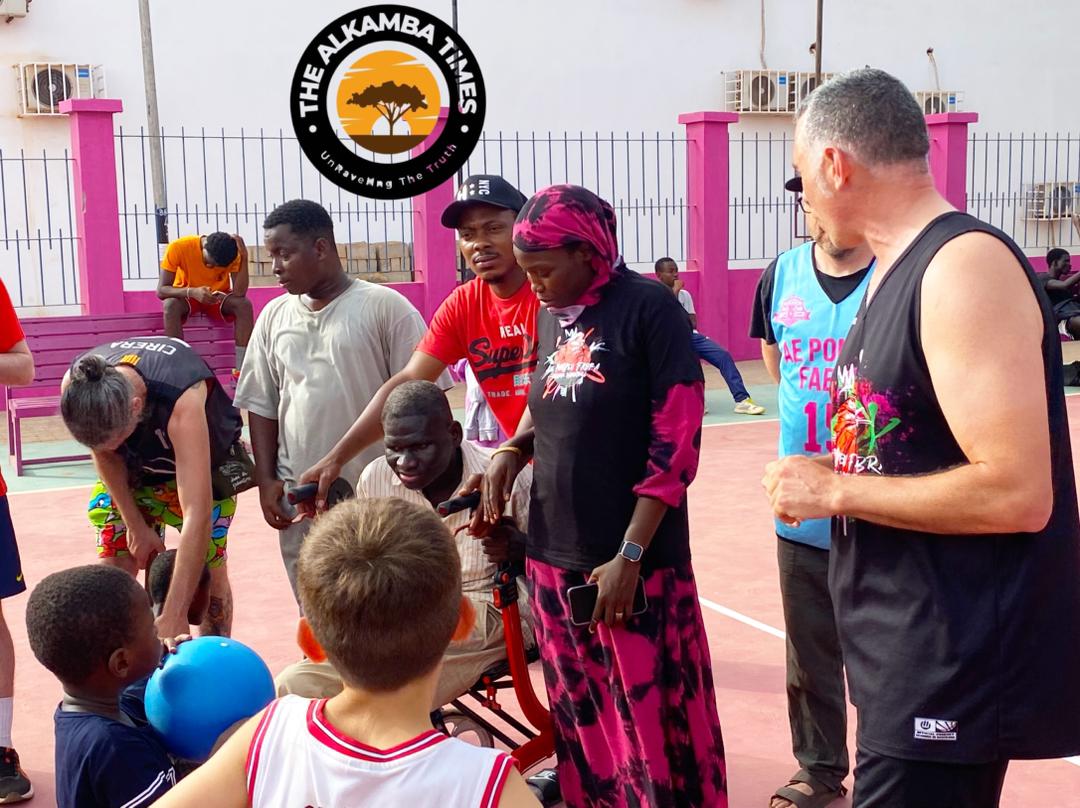
Parent Isatou Cham echoed the emotional weight of the journey. Diagnosed after her son showed signs of autism, she recalled having to self-educate through Google searches and books. A school initially rejected her child, deepening her despair, but another eventually accepted him. “You don’t need to hide it,” Cham urged fellow parents. “You just need to tell the world they are children, and it is God who gave them to you, and you have to accept them.”
International volunteer and documentary filmmaker Jonathan Garacia found the experience transformative. “When you talk about autistic or neurodivergent people, I would not say they suffer. I would say they have something special,” he reflected. The project aims to capture how these children perceive the world, challenging societal notions of “normal.”
Garacia emphasized basketball’s power as a bridge: “I think we need relationships with everyone together, through the community and through sports.”
Beyond the court, participants engaged in collaborative art and interviews to amplify awareness. Organizers hope the initiative sparks broader conversations on acceptance, equal opportunities, and systemic support for neurodivergent individuals across The Gambia.