The opposition United Democratic Party (UDP) has described the prevailing nationwide electricity crisis as a “national disgrace” that is compounding economic hardship and undermining religious observances.
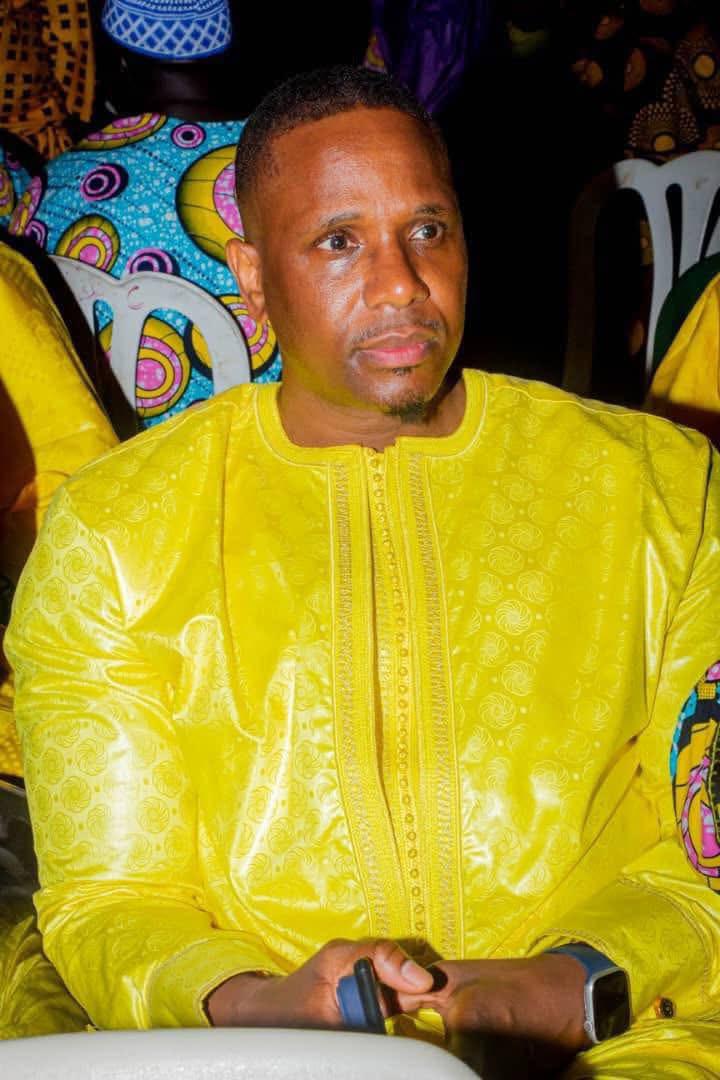
In a statement released on Monday, UDP Administrative Secretary for Media and Communications Saikou Camara highlighted how thousands of families who could barely afford sacrificial rams were forced to purchase small quantities of red meat only for much of it to spoil due to prolonged power outages.
“This is not merely an inconvenience. It is a national crisis affecting the dignity, livelihoods, health, and religious celebrations of the Gambian people,” Camara said.
The statement paints a grim picture of the country’s energy sector. The Gambia needs approximately 150 megawatts (MW) of reliable generation capacity for a stable nationwide supply. However, more than 50 MW of that supply traditionally comes from Senegal’s Senelec. Amid global energy pressures and regional priorities, Senegal has reportedly begun limiting exports, leaving The Gambia in a precarious position.
Compounding the problem are reports that the National Water and Electricity Company (NAWEC) owes Senelec millions of dalasis in arrears. According to the UDP, whistleblowers within NAWEC have indicated that domestic generation has plummeted dramatically. While the country previously struggled to produce under 30 MW internally, current output may have fallen below 15 MW, making a reliable supply virtually impossible.
The result has been endless blackouts, spoiled food, damaged household appliances, massive business losses, and widespread frustration.
“The Gambian people deserve honesty, transparency, and urgent action rather than excuses and propaganda,” Camara asserted.
The UDP outlined immediate short-term measures the government should implement. These include emergency rehabilitation of existing generators, urgent settlement of arrears with Senelec, procurement of temporary rental power plants, publication of transparent load-shedding schedules, crackdown on waste and corruption in the energy sector, and targeted relief for hospitals, cold stores, small businesses, and vulnerable households.
In the long term, the party called for massive investment in diversified sources, including solar, wind, and gas; modernization of the national grid; greater private-sector participation through independent power producers; institutional reforms at NAWEC; and the development of a comprehensive national energy security strategy aimed at self-sufficiency.
“Access to reliable electricity is not a luxury. It is a necessity for economic development, healthcare, education, food preservation, and human dignity,” the statement emphasized.
The UDP noted that rising costs of living, inflation, unemployment, and declining purchasing power had already made Tobaski difficult for many families. The power crisis, it said, has added further pain and humiliation.
The party expressed solidarity with citizens and urged the government to act decisively before the situation worsens.
“May Allah ease the hardships of our people and grant the nation peace, stability, and prosperity during this blessed Eid season,” Camara concluded.
The statement comes as many Gambians continue to endure daily power cuts that have become a perennial feature of life in the country, despite repeated government promises of improvement. Observers say the timing – during one of Islam’s most important festivals – has amplified public discontent and placed fresh pressure on authorities to address the deepening energy emergency.