By: Kebba Ansu Manneh
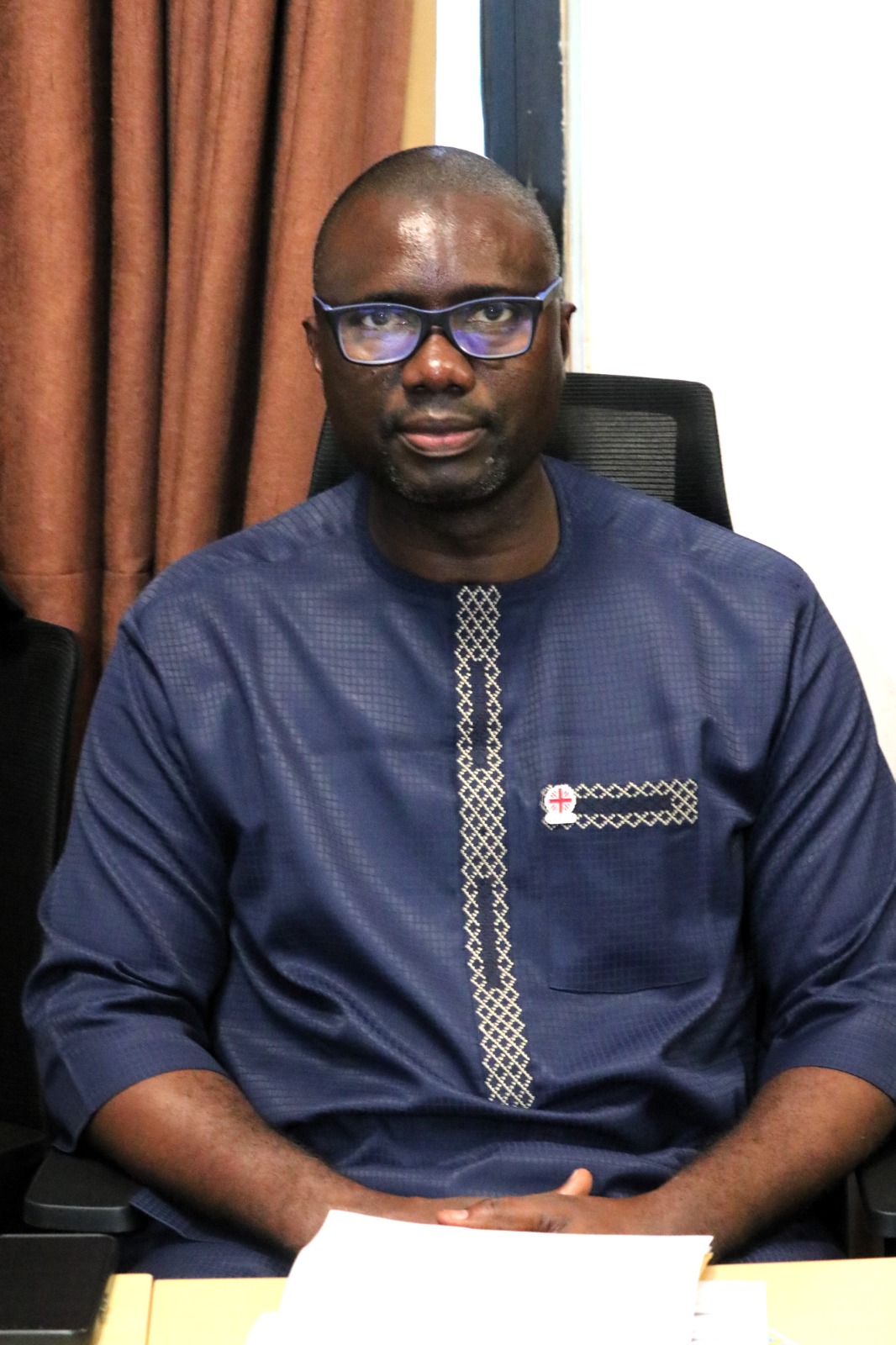
President Adama Barrow’s decision to seek a third term in office has sparked serious concerns about political stability, public trust and the prospects of peaceful elections in The Gambia’s 2026/2027 electoral cycle, Caritas Gambia Country Director Francis D. Mendy has warned.
Speaking at the official launch of the National Election Response Group (NERG) and the inauguration of its members, organized by WANEP Gambia and partners at a local hotel in Banjul on Thursday, Mendy said the president’s bid, combined with regional instability and authoritarian trends, poses significant risks.
“Our President, His Excellency President Adama Barrow’s bid for a third term, coupled with regional instability marred by poor and authoritarian resurgence, raises serious concerns about political stability, public trust, and the prospects of peaceful elections in The Gambia,” Mendy stated. “One of the biggest sources of instability is self-perpetuating rule, because initially what he declared was that he would serve for one term, then this was turned to two terms and now a third term.”
He noted that the move has fuelled accusations of democratic backsliding and eroded public confidence. Mendy pointed to the constitutional crises surrounding failed attempts to adopt a new constitution in 2020 and 2024, both of which collapsed amid political deadlock. Proposed reforms—including term limits, a second round of voting, stronger judicial independence and checks on executive power—have similarly stalled, leaving the system vulnerable to executive overreach and undermining democratic consolidation.
Despite these challenges, Mendy acknowledged progress since the 2016 ouster of former President Yahya Jammeh. Press freedom has improved markedly under the current administration, as reflected in the latest global rankings. He urged the government to remain vigilant against any return of intimidation targeting journalists and activists.
The Caritas director also called for accelerated implementation of the Truth, Reconciliation and Reparations Commission (TRRC) recommendations. “Through the revelations of the TRRC, we learned as a nation that some members of our security forces were implicated in great human rights abuses. It is important that transitional justice efforts are accelerated so that they can be completed, especially with the support coming from ECOWAS in establishing a special court,” he said.
Mendy highlighted the continued presence of the 500-strong ECOWAS Mission in The Gambia (ECOMIG), deployed since 2017 to support reforms and stability, as underscoring ongoing security sector challenges. Efforts to professionalize the military and police remain delicate without a new constitution, he added.
He further observed that The Gambia’s democratic struggles mirror broader regional instability, increasing risks of spillover violence, arms trafficking and extremist infiltration from neighboring states.
The NERG launch aims to strengthen early warning and response mechanisms ahead of the upcoming polls.