By: Sainabou Sambou
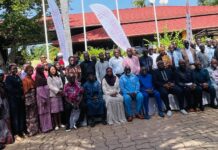
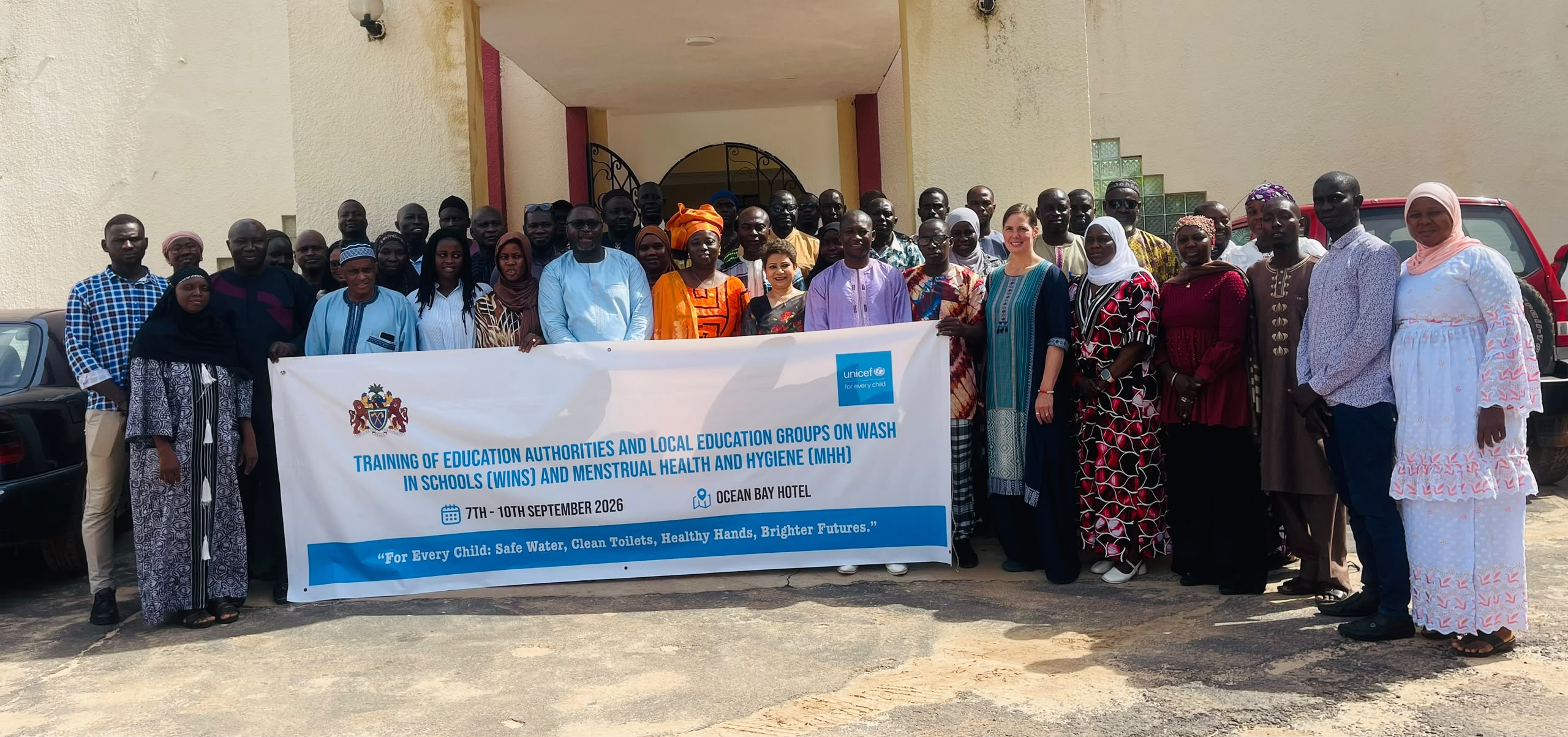
The Government of The Gambia and UNICEF have called for urgent upgrades to water, sanitation and hygiene (WASH) facilities in schools, warning that poor toilets, scarce water and a lack of menstrual support are driving adolescent girls out of class and undermining their education.
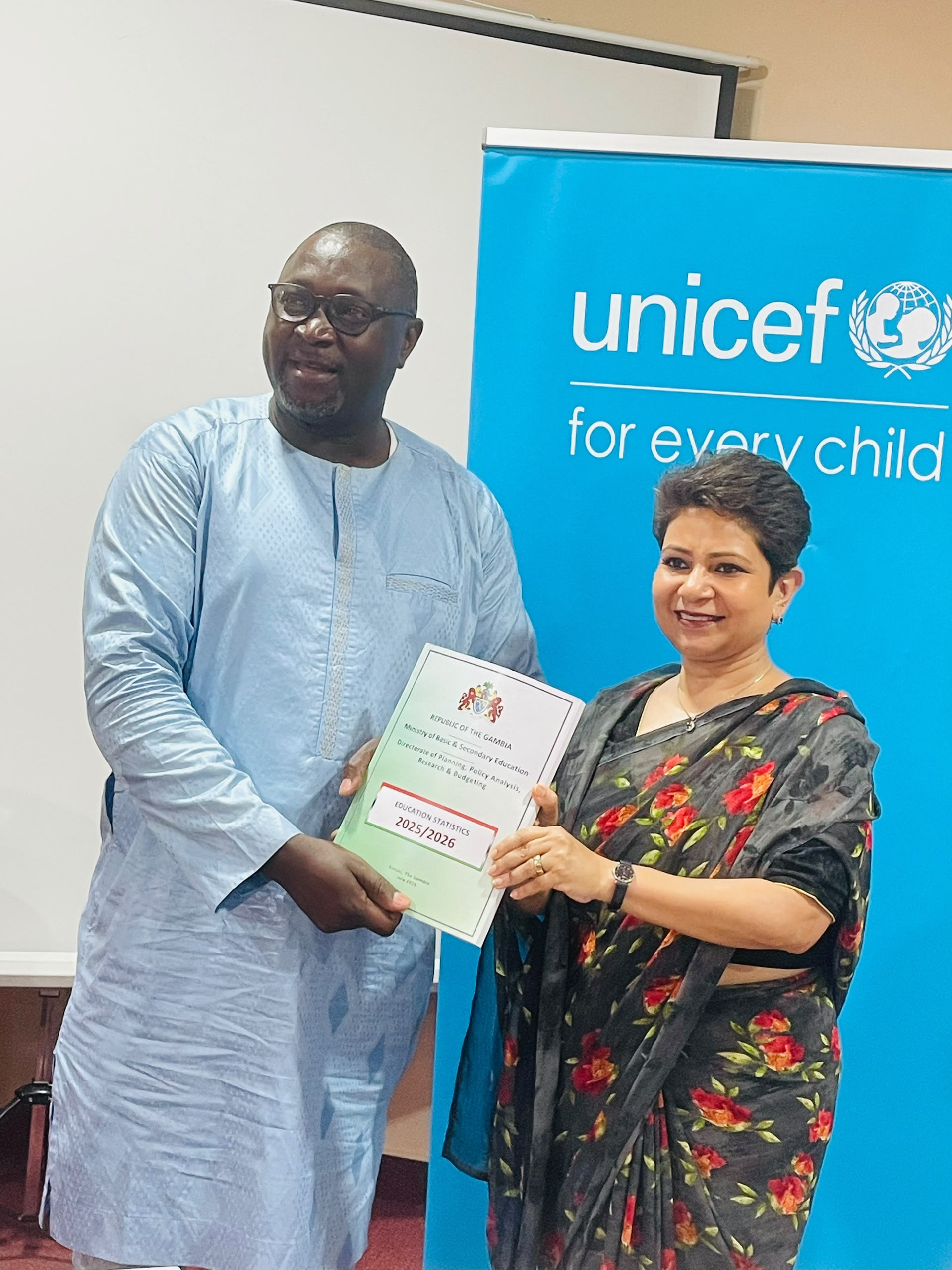
Sohna Foon-Chore, director of planning, policy, analysis, research and budgeting at the Ministry of Basic and Secondary Education, said WASH must be treated as a core part of a safe and inclusive school, not an afterthought. Access to clean water, usable toilets and hygiene facilities protects students’ health and dignity and allows them to take part fully in lessons, she said.
She singled out menstrual health. Adolescent girls need private, hygienic toilets, water and practical support if they are to manage their periods and stay in school. Providing those facilities is not only a sanitation issue, she argued; it is essential to girls’ participation in education. Better WASH, she said, would let all children — including adolescent girls — attend with dignity and confidence.
Marije Broekhuijsen, a WASH specialist with UNICEF’s global practice, said The Gambia has made progress on policies and school WASH guidelines covering water, sanitation, hygiene, menstrual health, behavior change, operation and maintenance, and climate and disaster risks. The real test, she said, is putting those guidelines into practice in schools and communities.
Guidelines alone are not enough. WASH must be built into education, health, water and planning systems so that facilities last. Schools need not only new toilets and taps but systems to keep them working. Implementation should involve many actors rather than rest with a single institution, she added.
UNICEF Country Representative Nafisa Binte Shafique said a menstrual health report found that many girls still lack affordable sanitary products, private clean toilets, reliable water and accurate information about periods. Those gaps can force them to stay home.
If a girl misses about five school days each month because of menstruation, the loss can reach roughly 60 days a year — about two months of learning. That raises the question of whether girls can keep up with boys when they repeatedly miss lessons. Menstrual health is therefore a gender-equality and education issue as well as a sanitation one, she said. Girls should not have to choose between managing their periods with dignity and going to school. Stronger investment in WASH and menstrual support is needed so they can stay and learn.
Louis Moses Mendy, permanent secretary at the Ministry of Basic and Secondary Education, questioned whether many schools have enough toilets for their enrolment and whether boys and girls still share facilities. Separate, safe toilets are especially important for adolescent girls who need privacy during their periods. Facilities must be functional and suitable, he said.
Parents and community groups must help. Mothers’ Clubs, Parent-Teacher Associations and School Management Committees should support schools and keep WASH facilities in working order. Data should guide spending. Girls make up about 53 percent of students, and those in rural areas often face greater hardship than urban peers. Regional and school-level figures, rather than a one-size-fits-all approach, would show where need is greatest and where resources should go.
Officials presented the message as a call to treat school WASH and menstrual health as investments in attendance, equality and learning — not optional extras.