Civic activists have launched a public petition calling on President Adama Barrow to address the nation, publish energy contracts and set a firm date for reliable 24-hour electricity, as anger over prolonged blackouts spilled into street protests across the Greater Banjul Area.
Baboucarr Sufism Nyang Al-Tijani, Omar Camara and Madi Jobarteh issued the petition on 8 September 2026, inviting Gambians at home and in the diaspora to sign physical copies or an online form. They described the campaign as “direct citizen action” to demand answers after nearly a decade of what they call a worsening electricity crisis.
The petition accuses the government of failing to explain persistent outages since 2017. Citizens, it says, have endured unpredictable load-shedding even after buying prepaid units, disrupting households, businesses, hospitals, schools and water supply. “Gambians are tired of blackouts, explanations and promises,” the document states.
It poses nine questions to the president. These include the true causes of the crisis; the full cost of the former Karpower arrangement and why its exit left the country short of power; payments to Senegal’s Senelec and any remaining debt; and the terms of a deal with Guinea’s Électricité de Guinée after Barrow’s recent visit to Conakry. The petitioners also demand publication of contracts with Karpower and Senelec.
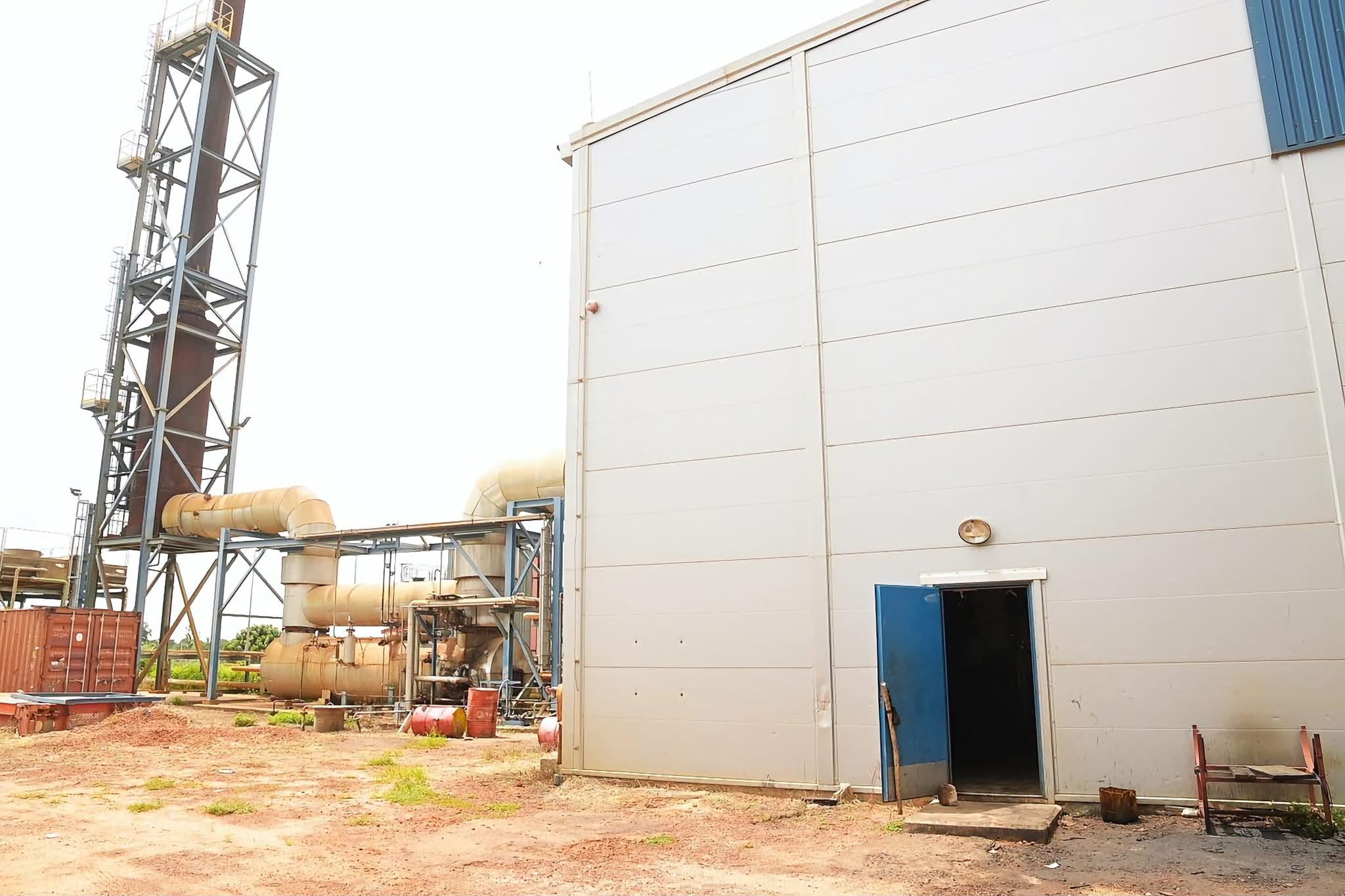
They further ask why the Kotu and Brikama power stations are not running at full capacity, how much has been borrowed and spent on electricity since 2017, and what projects that money produced. The core demand is a specific date for stable 24/7 supply and “clear consequences” if that deadline is missed.
The petition also calls on the Ministry of Petroleum and Energy, NAWEC, PURA, the Gambia Competition and Consumer Protection Commission and the National Assembly to exercise their legal duties of policy, regulation, consumer protection and oversight.
The launch coincided with a night of unrest. Overnight into Tuesday, protesters burned tires and blocked roads in Banjul and nearby towns, including near State House. Police used tear gas in Westfield as crowds moved toward NAWEC headquarters. Some residents reported outages lasting up to 48 hours. A presidential election is due in December, with Barrow seeking a third term.
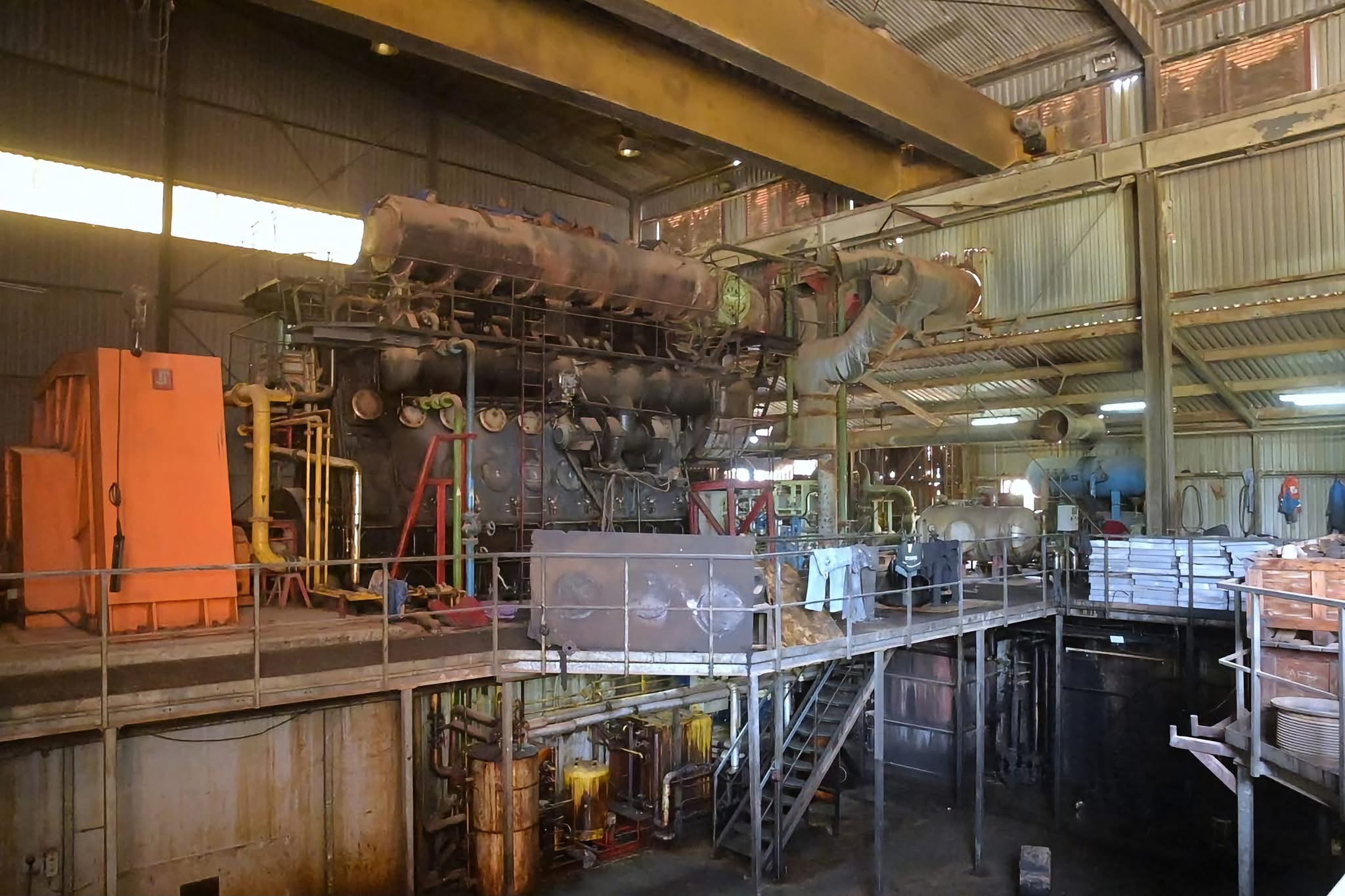
NAWEC has attributed recent shortages to a surge in demand during hot weather and a technical problem on an import line. Earlier this year, the utility sought emergency funds to buy extra power from Senegal after regional imports fell and domestic plants at Kotu and Brikama produced far below capacity. President Barrow said in June that supply had stabilized; critics say the relief did not last. He was due to visit NAWEC facilities on Tuesday and address the nation in the evening.
The organizers say electricity is essential to health, education, livelihoods and basic rights, and that the public has a right to know how billions committed to the sector have been used. “The Gambia deserves power. The people deserve answers,” the petition concludes.