By: Fatou Dahaba
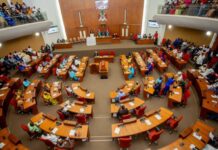
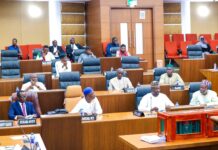
The National Assembly has ratified a visa exemption agreement between The Gambia and Gabon. Still, lawmakers used the debate to press the government on why the deal covers only diplomatic and service passport holders and not ordinary citizens.
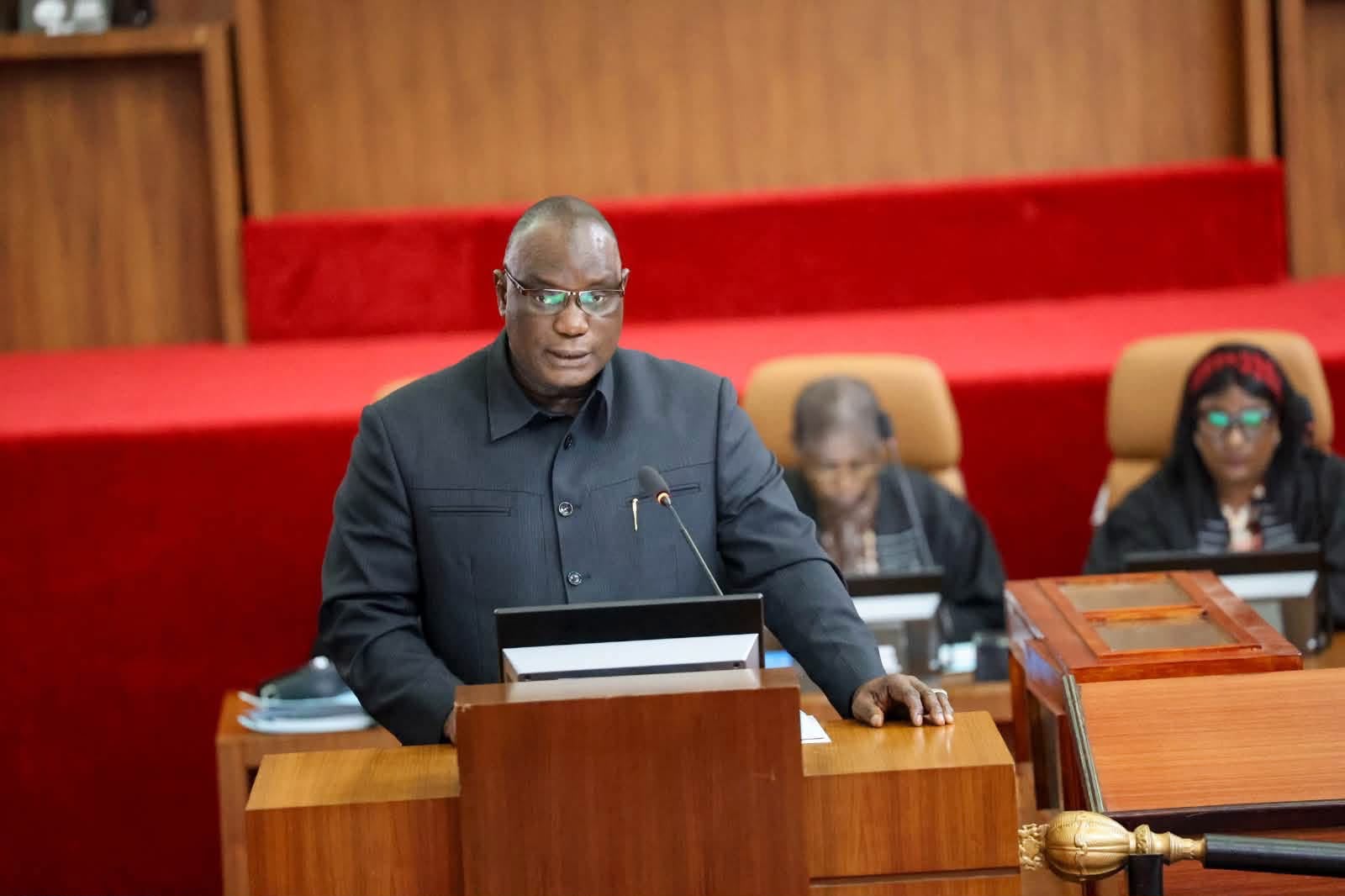
Foreign Affairs Minister Serign Modou Njie tabled the motion, asking deputies to approve the pact as part of efforts to deepen ties between Banjul and Libreville after the recent state visit of Gabonese President Brice Clotaire Oligui Nguema. Under the agreement, holders of diplomatic and service passports may enter, exit, transit and stay in either country for up to 90 days within any 180 days without a visa.
Members broadly supported the measure as a step toward stronger bilateral relations. The debate, however, quickly turned to the exclusion of ordinary passport holders, including traders, businesspeople and other travelers who move between the two countries.
Hon. Bakary Badgie, Member for Foni Bintang Karanai, said Africa cannot keep preaching unity while placing visa barriers in the path of its own people. “Africa for long has been calling for unity, but the same African people are found to be imposing visa restrictions upon their fellow Africans,” he said, calling intra-African travel restrictions a serious obstacle to integration and development.
Hon. Sheriff Sarr, Member for Jewswang, argued that the exemption should not be reserved for a privileged few. He said many Gambians living and doing business in Gabon would see little immediate benefit. “How many of us have diplomatic passports and how many of us have service passports?” he asked, adding that it was time for such treaties to reflect the interests of the wider population.
Hon. Lamin Ceesay, Member for Kiang West, made a similar point. He said heads of state often speak of free movement of people, goods and services, yet practice agreements benefit only a small segment of society. “We only exempt a certain segment of the population, and we leave the rest. It’s not fair,” he said, urging the executive to seek broader inclusion in future talks.
Minister Njie replied that excluding ordinary passport holders was not the last word. He described the current arrangement as the first phase of a process agreed in consultations between the two governments. “This is just the starting point,” he said, assuring the House that talks on extending the waiver to ordinary passports would follow.
He also disclosed that more than 2,000 Gambians live in Gabon, compared with only eight Gabonese nationals in The Gambia. That imbalance, he suggested, made closer relations with the Central African country especially important for Banjul.
Despite their reservations, members approved the agreement unanimously. Several speakers, however, pressed the government to ensure that later negotiations deliver real travel benefits to ordinary Gambians, not only officials. They said African integration would remain incomplete if visa-free movement stayed confined to diplomatic and service passports while traders and other citizens continued to face barriers.
The ratification therefore marks a limited but politically significant opening with Gabon. Whether it becomes the first step toward wider mobility, as the minister promised, will depend on the next round of talks between Banjul and Libreville.