By Sainabou Sambou
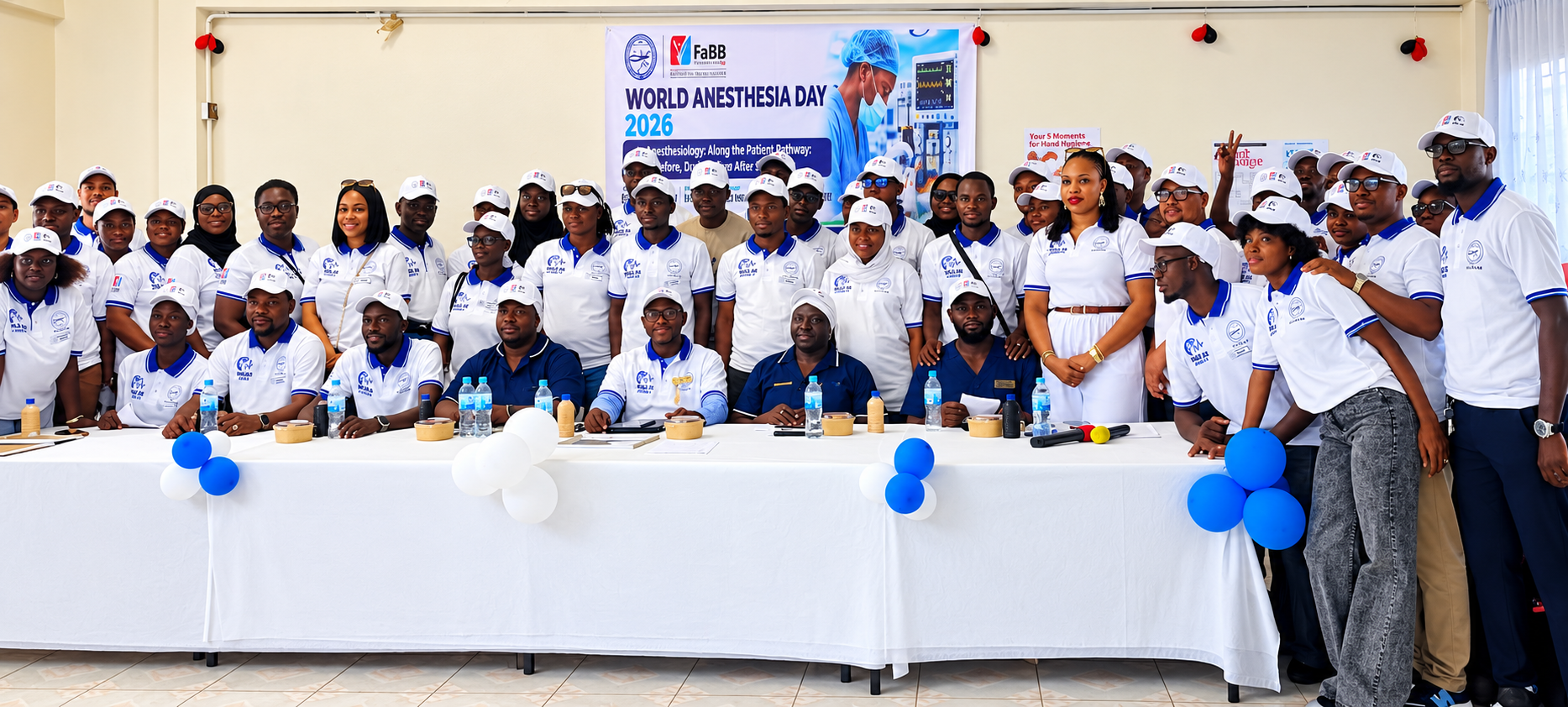
The Anesthesia Society of The Gambia (ASOG) has issued a strong appeal to the Ministry of Health for closer collaboration, improved working conditions, modern equipment, and greater investment in the anesthesia workforce to strengthen patient safety nationwide. The call came during World Anesthesia Day 2026 celebrations at the Edward Francis Small Teaching Hospital (EFSTH) in Banjul, where healthcare professionals underscored anesthesia’s critical role before, during, and after surgical and medical procedures.
Dr. Cherno Jallow, Deputy Chief Medical Director of EFSTH, stressed that strengthening anesthesia services has become increasingly urgent as surgical procedures grow more complex and the hospital expands its operating theatre capacity. He noted that the rising volume and sophistication of cases demand better organization, support, and resources for anesthesia teams. “Anesthesia is essential to the effective functioning of any hospital,” Dr. Jallow said, explaining that its responsibilities extend well beyond administering drugs and monitoring patients in the operating room. Anesthesia professionals also manage pain, prepare patients for procedures, and provide care during recovery, making them integral to overall hospital performance and patient outcomes.
Omar Cham, President of ASOG, emphasized the need for seamless collaboration among anesthesiologists, nurse anesthetists, and the broader surgical team. He described effective teamwork as fundamental to patient safety and high-quality care. He said anesthesiologists and nurse anesthetists have complementary roles that succeed only through mutual respect, open communication, and a shared commitment to patient welfare. This collaboration should be visible at every stage of care: thorough patient assessments, careful procedure preparation, continuous monitoring during anesthesia, accurate documentation, and safe transfer of patients to recovery units.
Mr. Cham also recommended regular departmental meetings, joint case reviews, simulation-based training, and ongoing professional development to build staff skills and confidence. He urged creating a workplace culture where anesthesia professionals can raise concerns, report errors, and discuss safety issues openly, without fear of reprisal. He argued that such an environment is essential for learning from near-misses and preventing harm.
Landing Jaiteh, Public Relations Officer of ASOG, thanked healthcare workers, hospital management, partners, and sponsors for their support in making the World Anesthesia Day 2026 event a success. He described the occasion as an opportunity to reflect on anesthesia’s often unseen but vital contribution to healthcare delivery. He also praised the invited speakers for sharing practical knowledge and experience that reinforced the importance of teamwork, lifelong learning, and adherence to best practices.
Mr. Jaiteh reminded members that anesthesia professionals work largely behind the scenes to ensure patients undergo procedures as safely and comfortably as possible. He called on the society’s membership to deepen professional unity, invest in continuous professional development, embrace appropriate technological advances, and actively advocate for improved resources and working conditions. He said strengthening these areas will help the profession meet growing demands and protect patients more effectively.
The society pledged to continue working with the Ministry of Health and hospital leadership to turn these recommendations into concrete improvements.