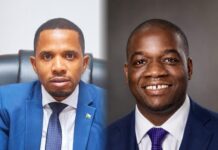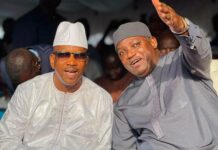
The Government of The Gambia’s publication of the Local Government Commission of Inquiry report and accompanying White Paper in the Gambia Gazette of 29 October 2026 arrives with the force of a long-overdue reckoning—and the timing of a calculated intervention. Released less than a week before the Independent Electoral Commission opens presidential nominations on 3 November, and barely five weeks before the 5 December election, the documents land squarely in the middle of the campaign season. What should have been a technocratic exercise in restoring integrity to the country’s eight local councils now carries unmistakable political weight.
The Commission, established by presidential decree in February 2023 under Section 200 of the 1997 Constitution, spent three years examining the administration, financial management, procurement, land administration and governance of Banjul City Council, Kanifing Municipal Council, Brikama Area Council and the five rural area councils between May 2018 and January 2023. Its chairperson, Jainaba Bah, submitted the final report to President Adama Barrow in May 2026. Local Government Minister Hamat Bah subsequently told the National Assembly that both the report and the government’s White Paper would be published by the end of August. That deadline came and went. Civil society voices, including Madi Jobarteh writing in these pages, demanded immediate release, citing the Commission’s ballooning cost—more than D150 million against an approved D50 million budget—and the constitutional expectation of transparency. The documents appeared only after sustained public pressure and, crucially, after the political field for December had largely crystallized.
The White Paper itself outlines administrative, legal and institutional reforms intended to strengthen accountability, financial discipline and good governance. It accepts the need for legislative review of the Local Government Act 2002 and the Local Government Finance and Audit Act 2004, better controls on procurement and payroll, and clearer separation between elected oversight and executive management. These are necessary steps. Public hearings had already exposed recurring weaknesses: weak financial controls, irregular procurement, land maladministration and payroll abuses across multiple councils. Systemic failure, not isolated misconduct, was the Commission’s central diagnosis.
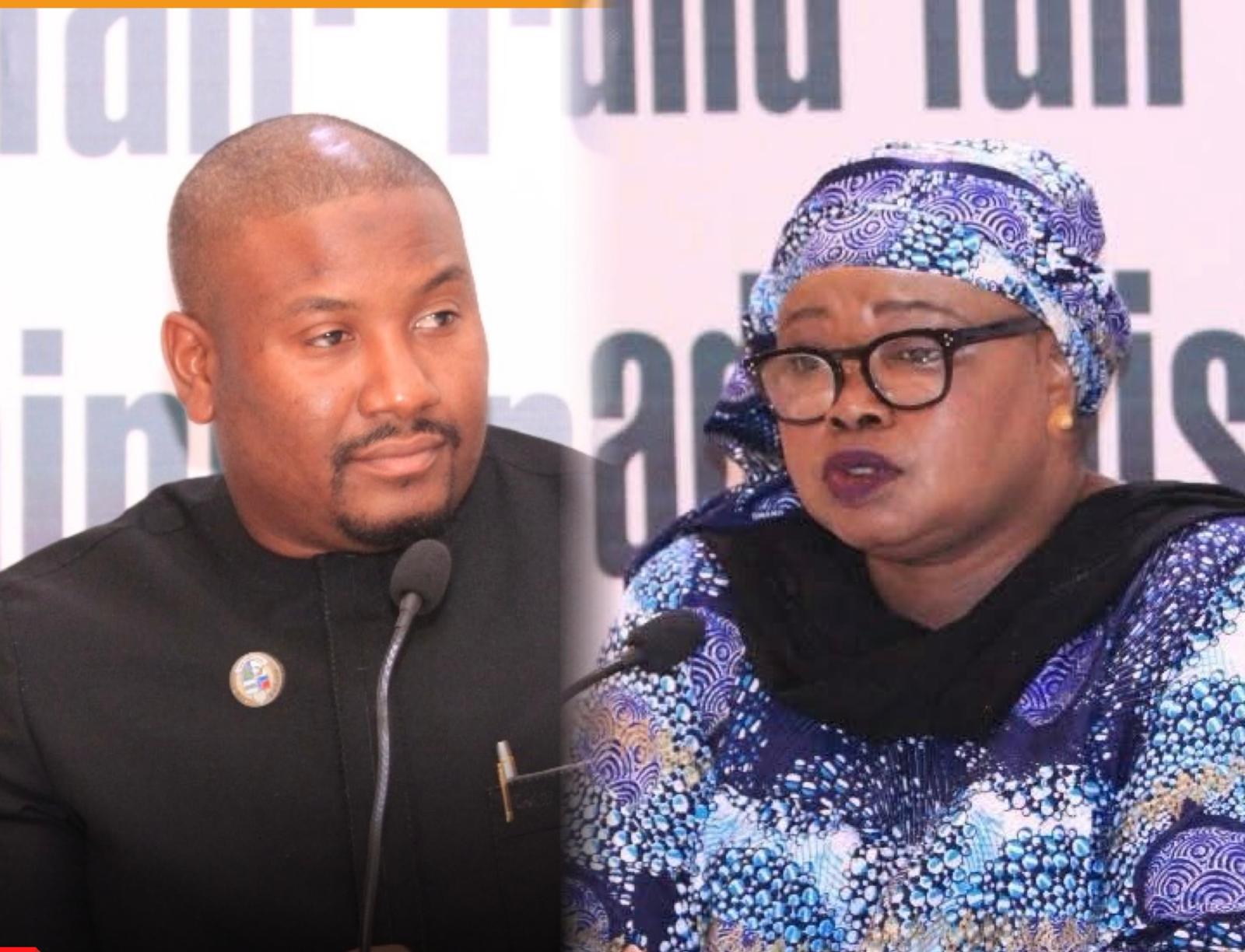
Yet the follow-up actions on “adverse findings” have drawn the sharpest scrutiny. The government has directed the Inspector General of Police to open a criminal investigation into economic crime and surcharge issues linked to Kanifing Municipal Council Mayor Talib Ahmed Bensouda, particularly around the Mbalit waste project and a D105 million truck procurement. It has referred a D10,000 honorarium matter for forensic audit and recovery, and instructed the Council to initiate removal proceedings under the Local Government Act on grounds of improper behavior, negligence and abuse of office. Similar measures target other opposition-linked figures, including UDP council leaders and Banjul Mayor Rohey Malick Lowe. UDP leader Ousainu Darboe has labeled the exercise a “witch hunt” aimed at opposition-controlled councils, noting that comparable irregularities under previous or ruling-aligned officials have not triggered equivalent urgency. Bensouda, now the presidential candidate of Coalition 2026, has questioned the integrity of the published report itself, alleging alterations from earlier versions submitted to the President.
The timing is difficult to ignore. Nominations run from 3 to 14 November. Bensouda is a high-profile challenger whose municipal record has been central to his national appeal. Actions that could lead to his removal from office, criminal referral, or public disqualification, just as campaigning intensifies, risk converting a governance process into an electoral instrument. Even if every finding is factually sound—and the Commission’s public hearings provided substantial evidence of governance shortfalls—the selective intensity and the delayed release invite the charge that accountability is being applied unevenly. Central government audits have long cataloged unexplained expenditures and weak controls at the national level without producing comparable police referrals or fitness-for-office reviews in the same compressed timeframe. Equality before the law is not served by timing that coincides so neatly with the electoral calendar.
Local government remains the closest layer of the state to ordinary Gambians. Councils collect rates, manage markets, allocate land and deliver basic services. Decades of incomplete decentralization have left them under-resourced and vulnerable to both local malpractice and central interference. Genuine reform requires consistent application of rules, capacity-building, transparent revenue-sharing and protection of elected councils from arbitrary removal. A White Paper that prioritizes investigations against prominent opposition figures while deferring systemic legislative and fiscal changes does little to advance that agenda. It also risks eroding public confidence in commissions of inquiry as impartial tools rather than instruments of political management.
The December election will test whether Gambians believe the state’s institutions can hold power to account regardless of party affiliation. The government still has an opportunity to demonstrate that commitment: by ensuring investigations proceed according to law rather than electoral calendars, by publishing a clear, costed implementation plan for the accepted reforms, and by applying the same standards to all councils and all levels of government. Anything less will confirm the suspicion that the White Paper’s late arrival was less about cleaning house than about rearranging the furniture before voters enter the room.