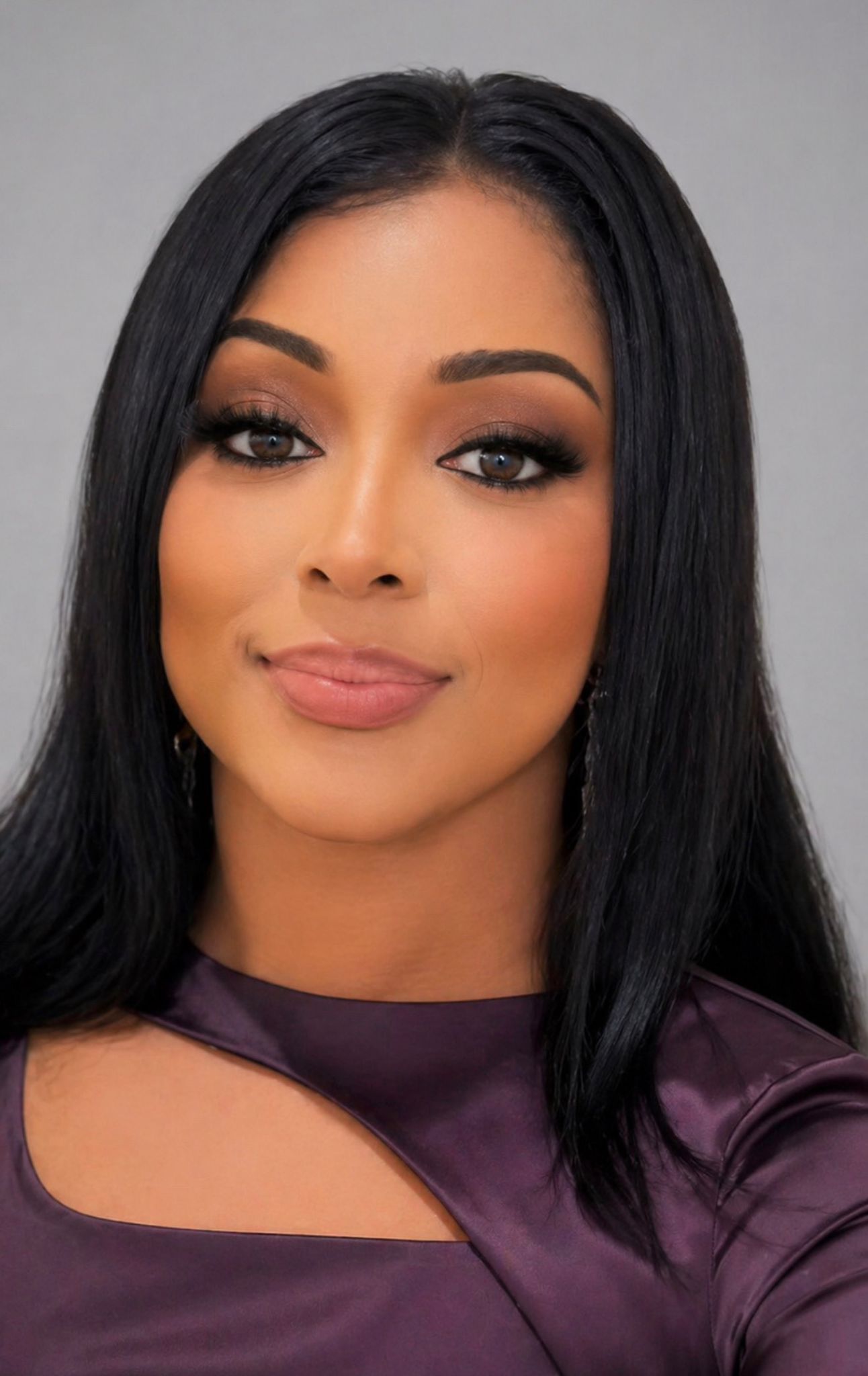
Across the continent and the diaspora, educated, financially independent African women are beginning to ask a question that previous generations were rarely given the space to consider: What does marriage truly add to my life? For years, marriage was treated as a necessary milestone, a symbol of respectability, stability, and success. But today, that idea is being challenged by lived realities.
As more African women pursue higher education, build careers, and achieve financial independence, marriage is no longer tied to survival or social acceptance in the same way. It is becoming a conscious choice. And for many, it is a choice that must bring peace, partnership, and purpose, not pressure. One of the biggest sources of tension African women face is the expectation gap. Many are still expected to embody “traditional” roles, nurturing, accommodating, and responsible for the home, while also functioning as modern women who contribute financially, build careers, and remain independent. In practice, this often means carrying a double burden: being everything at once, with little support in return.
African scholars have long examined how gender roles evolve within changing societies. As Nigerian scholar Ifi Amadiume (2015) explains, African social systems have historically been more flexible than colonial narratives suggest, but modern pressures have created contradictions that many women now navigate daily. The issue is not tradition itself, but the imbalance it creates.
Beyond roles, many African women are increasingly prioritizing emotional maturity in relationships. Financial provision alone is no longer enough. There is a growing expectation for a partnership rooted in communication, accountability, and emotional intelligence. Without these, relationships can feel draining rather than supportive. As John Mbiti (1990) emphasized in his work on African social values, community and relationships thrive on mutual responsibility rather than one-sided expectations.
At the same time, a deeply concerning reality cannot be ignored: many African women continue to experience physical abuse within marriage. Behind closed doors, countless women endure violence at the hands of their husbands, violence that is often minimized, normalized, or silenced by cultural expectations and societal pressure. For some, marriage becomes not a place of safety, but a site of fear and survival. Lives are not only diminished but, in tragic cases, lost. The expectation to “endure” for the sake of family or reputation has led many women to remain in dangerous situations far longer than they should. As awareness grows, more women are refusing to accept physical harm as part of marital life. This shift is not rebellion; it is a refusal to equate suffering with commitment and a demand that marriage must, at the very least, guarantee safety and dignity.
Many African women are now engaging in personal healing and self-discovery. Conversations around mental health, self-worth, and boundaries are becoming more visible, especially among younger generations. This shift is reshaping how women approach relationships. The idea of “The wounded warrior energy” helps explain part of this dynamic. It reflects individuals who move through life and relationships carrying unhealed wounds, often expressing themselves through control, defensiveness, or a need for validation. In this current day and age, many African women are no longer willing to build with partners who have not done the internal work required for a healthy connection.
As the reflection goes:
“Unhealed wounds don’t just hurt you, they shape how you love, how you lead, and how you treat others.”
This growing awareness is not theoretical; it is lived. And it is best understood through real-life experiences.
Take the story of Fatou.
Fatou’s journey is one that many African women will recognize. She entered marriage with hope, believing she was building a future. But over time, that hope was replaced by hardship. Her husband, Modou, controlled the finances, dismissed her voice, and constantly undermined her confidence. He insulted her, belittled her, and frequently told her, “If you’re not happy, you can leave.”
What she experienced was not just one form of abuse; it was layered. Verbal, emotional, financial, and, like many women, she also lived under the threat of divorce or escalation, where emotional abuse can easily turn physical. The kind of environment that slowly erodes a person’s sense of self and safety.
For a long time, Fatou stayed. Not because she didn’t see the problem, but because leaving is never simple. In many African communities, divorce carries stigma. Women are often judged more harshly for leaving than for enduring suffering in silence.
When she finally left, she faced a different kind of struggle. There were whispers. Criticism. Questions about her character, her stability, and her choices led to her being labeled “crazy.” The weight of societal judgment was heavy. But Fatou chose herself anyway.
She went back to school. She rebuilt her life step by step. It wasn’t easy; there were setbacks, doubts, and long periods of uncertainty. But she kept going. Meanwhile, Modou was praised and celebrated for quickly remarrying another wife.
Over time, Fatou built a career that not only sustained her but elevated her. Today, she earns more than Modou ever did, even doubling his yearly salary. More importantly, she rebuilt her identity. The same words that were once used to diminish her, “you can leave if you want to,” became the foundation of her freedom. She left. And she never returned. Today, Fatou lives a life defined by peace, self-respect, dignity, and clarity. She is no longer surviving, she is living.
So it raises an important question for many African women: why should someone like Fatou feel pressured to remarry or go back to her ex-husband, Modou?
She has done the work. She has healed. She understands her self-worth, not in theory, but through experience. For her, marriage is no longer about fulfilling expectations; it is about alignment. And if that alignment is not present, she is content and happy without it.
This reflects a broader shift among African women. Marriage is no longer seen as a “flex” or a symbol of achievement, especially when it lacks substance and emotional happiness. Being married without respect, shared vision, emotional safety, or physical safety is no longer something to admire. It is something many are consciously choosing to avoid.
Conversations around healing and self-awareness have become more prominent. Many educated African women are doing the internal work required to understand their needs, boundaries, and patterns. This has led to a lower tolerance for relationships rooted in control, validation-seeking, or unresolved personal struggles. The idea of “The wounded warrior energy” captures this dynamic: a state in which individuals operate from unhealed emotional wounds, often expressing themselves through defensiveness, dominance, or insecurity rather than clarity and balance. As one reflection puts it, “Unhealed wounds don’t just hurt the individual, they shape how they love, how they lead, and how they respond to others.” In this light, the decision to walk away from misaligned relationships is not avoidance, but discernment.
As Senegalese writer Mariama Bâ (1981) illustrated in So Long a Letter, the inner lives of African women often reveal the quiet struggles behind socially celebrated marriages. Today’s generation is simply more willing to speak about those realities—and walk away from them. Economic independence is also changing the equation. Sociological research shows that when women have the means to support themselves, they are less likely to remain in unfulfilling or harmful relationships (Cherlin, 2010). For many African women, financial stability now provides the freedom to choose peace over pressure.
This shift is not about rejecting men or relationships. It is about rejecting imbalance, lack of accountability, emotional immaturity, and abuse in all its forms. It is about raising the standard of what partnership should look like. Many African women are no longer interested in relationships that require them to overextend themselves for little in return. They are no longer impressed by titles without substance. And they are no longer willing to sacrifice their well-being to maintain public appearances while they are unhappy or unsafe in their marriages.
If partnership comes, it must come with mutual respect, shared responsibility, emotional maturity, and a clear sense of direction.
If it does not, many are choosing peace and themselves. And in doing so, they are not losing anything; they are reclaiming everything.
Written By: Dr. Mimi Fatou Ceesay, Journalist / Psychologist, Couple and Family Therapist
References:
Amadiume, I. (2015). Male Daughters, Female Husbands: Gender and Sex in an African Society. London: Zed Books.
Bâ, M. (1981). So Long a Letter. Oxford: Heinemann.
Cherlin, A. J. (2010). The Marriage-Go-Round: The State of Marriage and the Family in America Today. New York: Knopf.
Mbiti, J. S. (1990). African Religions and Philosophy (2nd ed.). Oxford: Heinemann.
World Bank. (2022). Gender Equality and Development Report. Washington, DC: World Bank.