By Momodou Gagigo
As the first rains of the season begin to drum across the fields of The Gambia’s Lower River Region, farmers in the rural village of Wellingara Ba are stepping into the new agricultural year with renewed optimism tempered by hard-earned caution.
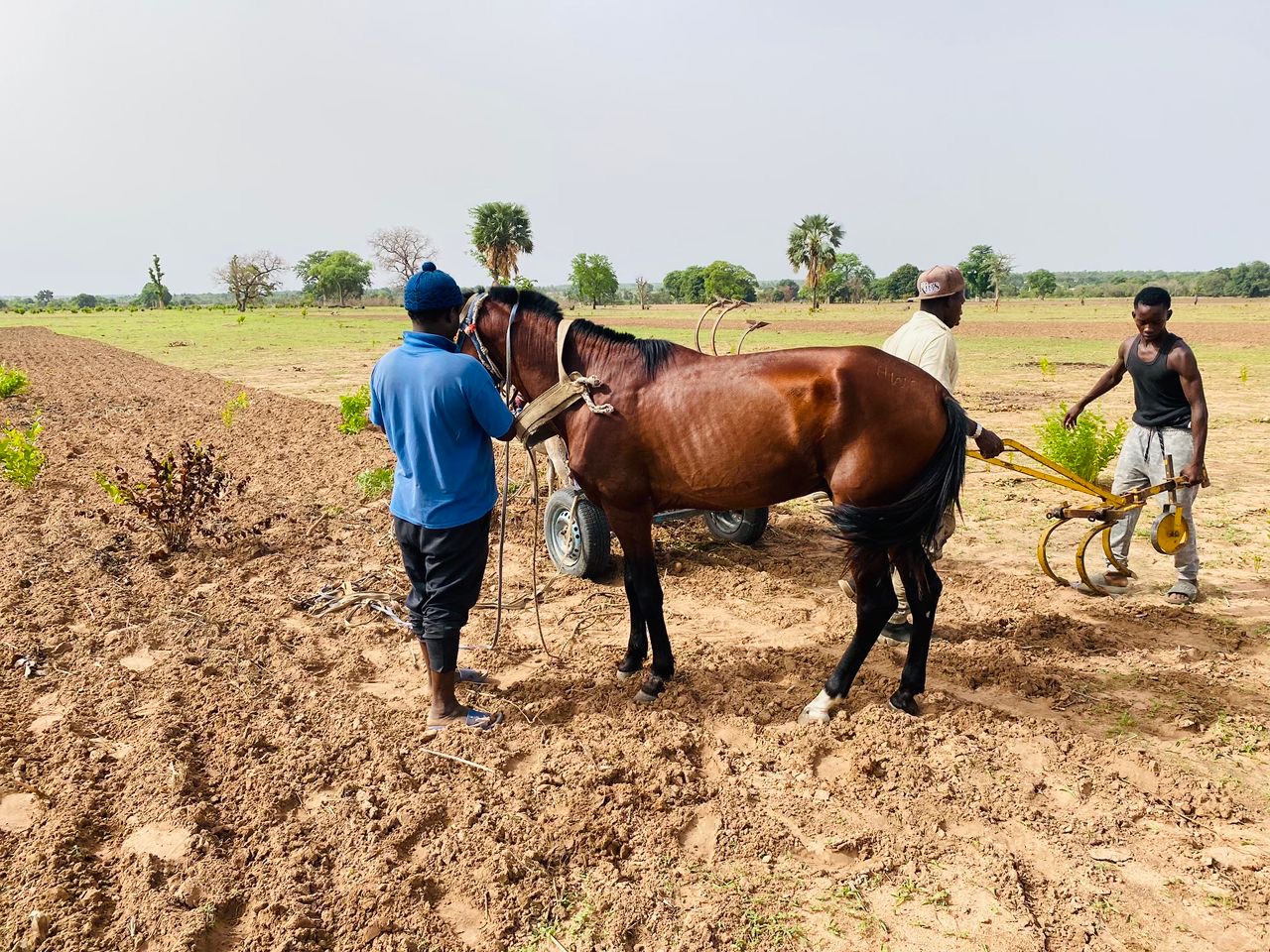
After several years of disappointing harvests due to erratic weather and economic pressures, the arrival of early showers has sparked activity throughout the community. Tractors and hand tools are once again turning the soil, while families plant staples such as groundnuts, millet, maize, and rice – crops that form the backbone of both household food security and local incomes.
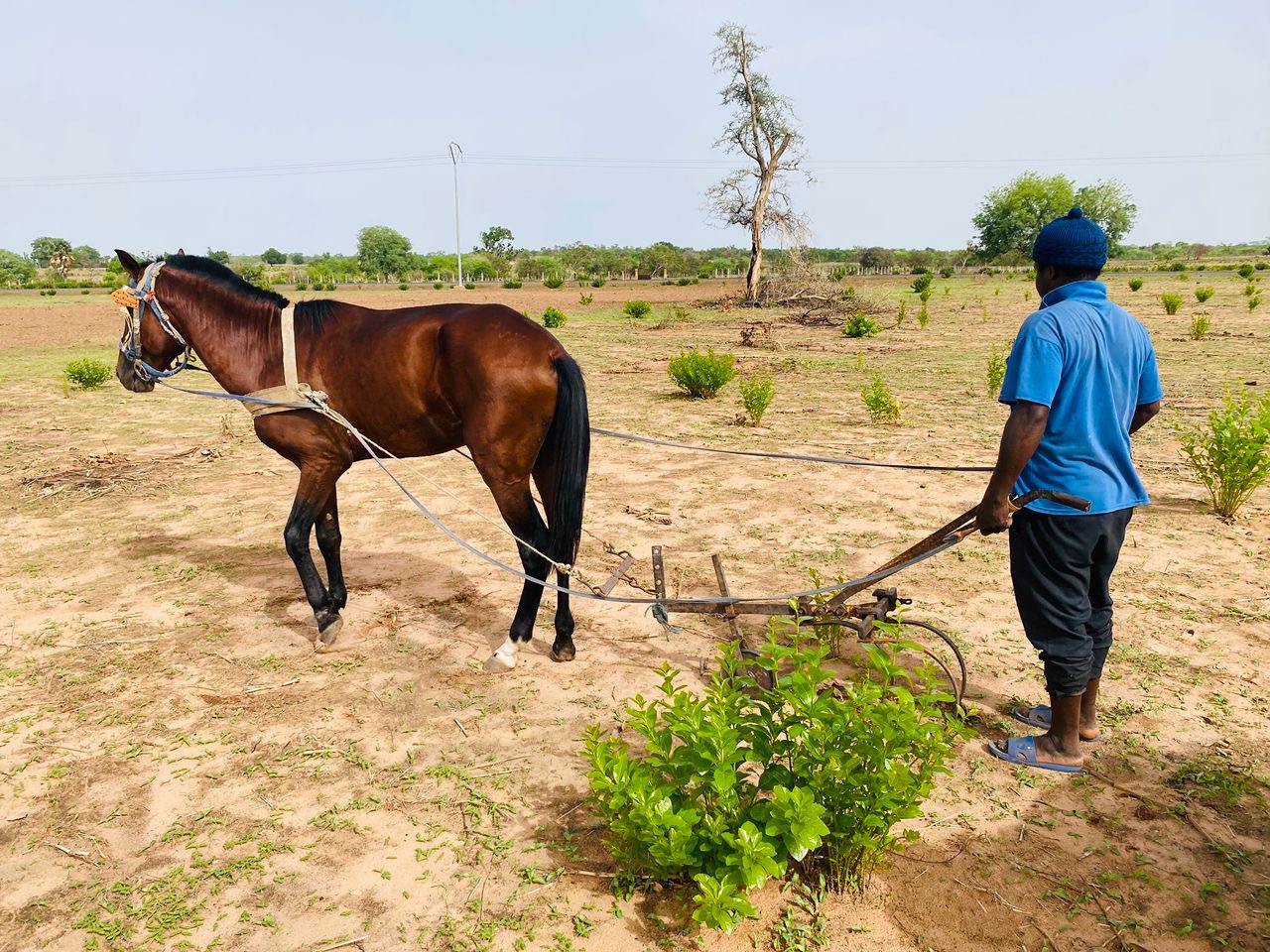
“We are praying for good and regular rainfall this year,” said Alagie Dem, a seasoned farmer in Wellingara Ba. “If the rains come on time and continue well throughout the season, we expect a good harvest that can feed our families and improve our incomes.”
For many residents, farming is not merely an occupation but the primary lifeline. A bountiful season translates into full granaries, money for children’s school fees, healthcare, and other essential household needs. In a region where agriculture employs the majority of the population, the stakes are high. Success or failure ripples through entire families and the wider community.
Yet optimism is balanced by realism. Farmers interviewed during recent field visits expressed several recurring concerns that threaten productivity. Foremost among them is the sharply rising cost of essential inputs – seeds, fertilizers, and basic farming equipment. Many reported struggling to secure adequate supplies at the right moment, often resulting in delayed planting and lower eventual yields.
Climate variability adds another layer of anxiety. While the rains have begun promisingly, villagers remain wary of the unpredictable patterns that have become more common. Long dry spells, sudden floods, or uneven distribution of rainfall – phenomena widely linked to climate change – can devastate months of labor in a matter of days.
“We depend entirely on the rain,” explained Alpha Jallow, another local farmer. “When the weather changes unexpectedly, it affects everything we have worked for.”
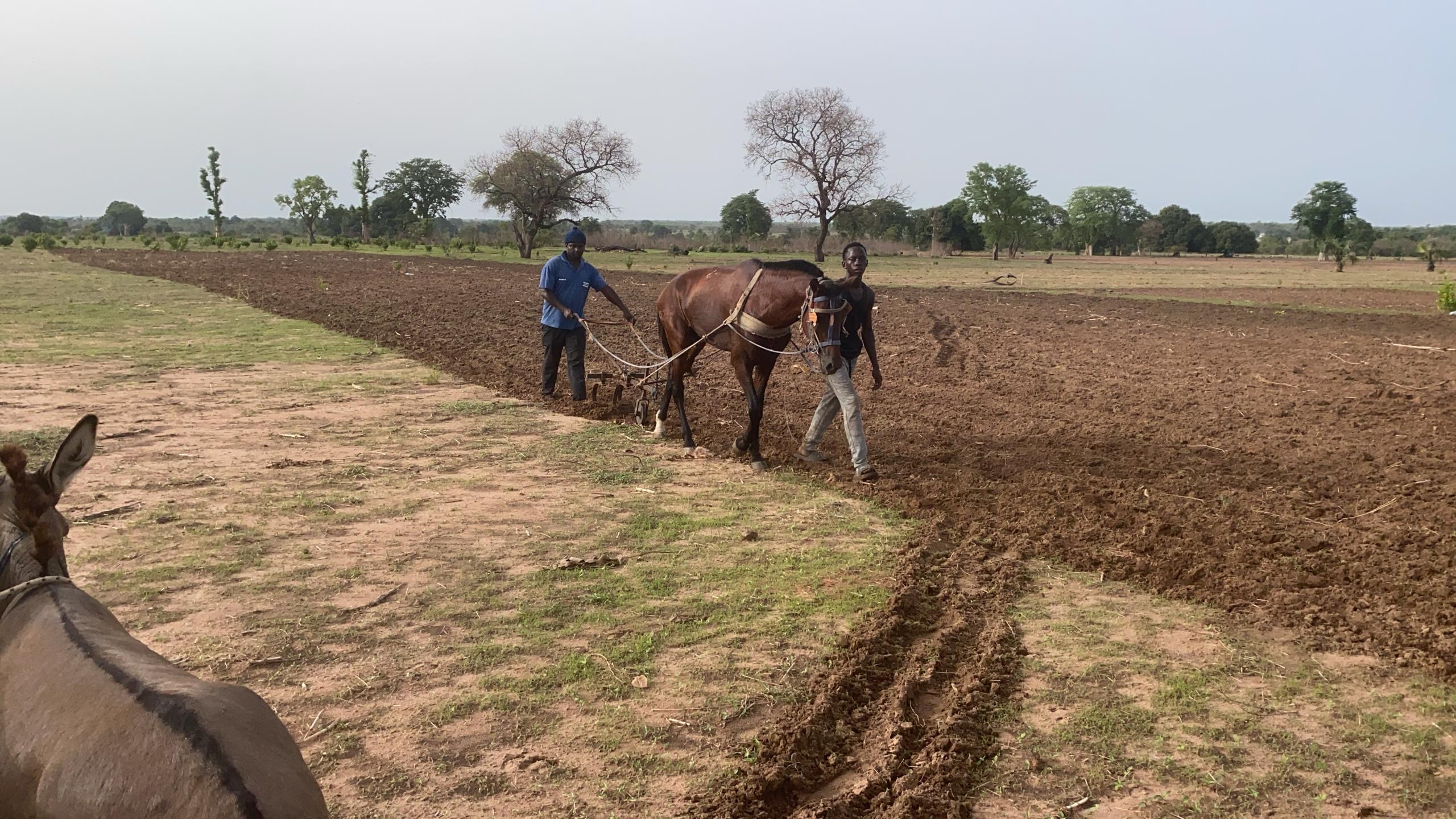
Access to modern farming tools, irrigation support, and extension services also remains limited, leaving many to rely on traditional methods that are increasingly vulnerable to environmental shifts.
Despite these hurdles, a spirit of resilience and cooperation prevails in Wellingara Ba. Neighbors assist one another in clearing land and sharing resources, reinforcing the strong communal bonds that have long defined rural Gambian life.
As the rainy season progresses, eyes across the village will remain fixed on the skies. The coming months will determine whether this year’s hope translates into tangible improvement – better harvests, higher incomes, and greater stability for families who have endured difficult seasons before.
For now, the people of Wellingara Ba continue their labor with quiet determination, carrying the dreams of a more prosperous harvest and a brighter future for their community.