By: Alieu Ceesay
The story of Gambian tourism has long been told through beaches, sunshine and hotel resorts along the coast. In Juffureh and Albreda, however, where memories of Kunta Kinteh, the trans-Atlantic slave trade, and centuries of history remain woven into daily life, communities are increasingly shaping that future of tourism by preserving and sharing the country’s heritage.
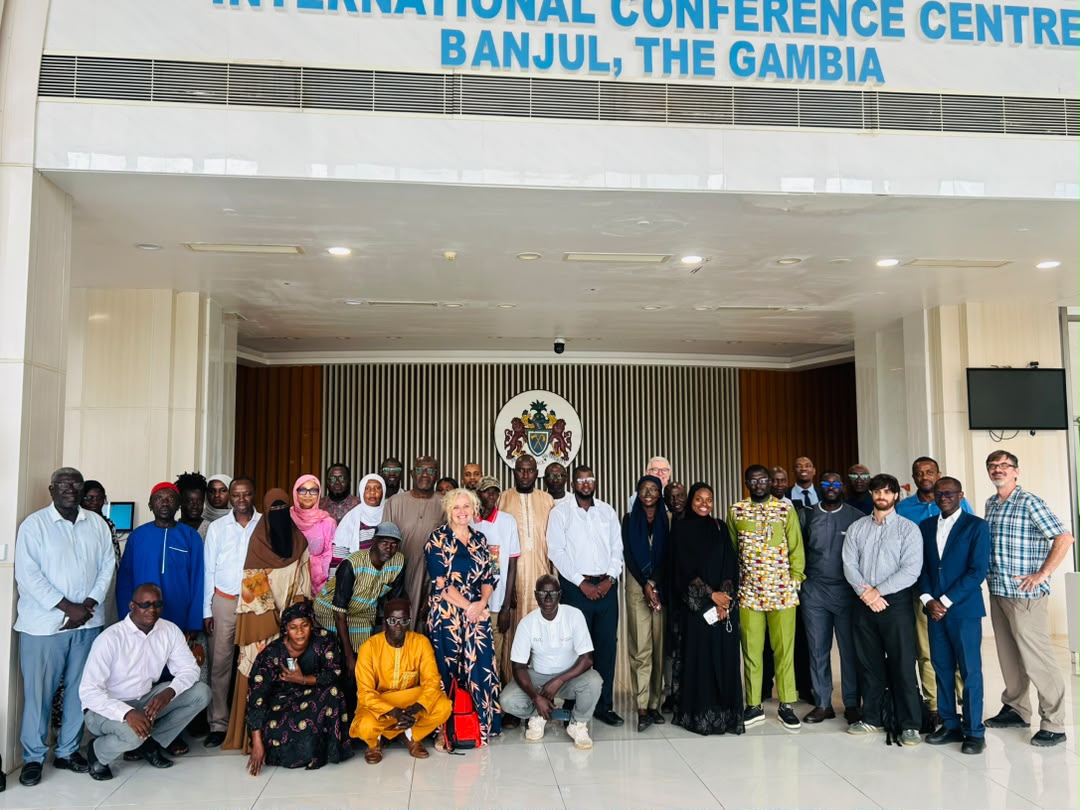
Stakeholders gathered on Thursday to validate a Visitor Management Plan for Albreda, Juffureh and Kunta Kinteh Island. The meeting marked a key step under the Tourism Diversification and Resilience in The Gambia Project, which aims to turn the UNESCO World Heritage Site into one of West Africa’s leading cultural tourism destinations.
Supported by the World Bank and implemented by the Ministry of Tourism, Arts and Culture through the Project Implementation Unit, the initiative seeks to reduce The Gambia’s reliance on seasonal coastal tourism by developing inland, riverine and heritage destinations.
Opening the validation meeting, TDR Project Director Modou Ceesay said the country’s tourism future depends on making better use of cultural, historical and natural assets spread across the regions. “The TDR project’s objective is to reduce the sector’s dependence on coastal seasonal tourism through the development of a more diversified and sustainable tourism model capable of leveraging the country’s rich cultural, historical and natural assets across a wide geographical area,” he said.
He revealed that the project had completed The Gambia’s first comprehensive assessment of tourism sites, evaluating more than 60 locations nationwide before selecting ten priority destinations for investment. Albreda, Juffureh and Kunta Kinteh Island were among those chosen.
The assessment identified challenges that have held the destination back, including fragmented visitor infrastructure, weak interpretation and storytelling, limited integration between the island and mainland communities, and insufficient mechanisms for community participation.
Speaking on behalf of the Permanent Secretary of the Ministry of Tourism, Arts and Culture, Hassoum Ceesay, Director General of the National Center for Arts and Culture, said the government is working to ensure tourism contributes to development year-round, not only during peak season. “What every Gambian may not know, however, is that the Ministry of Tourism, Arts and Culture has been working diligently in the past few years to elaborate and implement tourism policies and strategies that will ensure that our tourism products are developed and the tourism market diversified enough to enhance all-year tourism,” he said.
He described the Visitor Management Plan as an integrated framework covering heritage protection, visitor experience, interpretation, signage, public art, governance and community participation. “We hope to achieve by its implementation the transformation of Juffureh and Albreda, along with Kunta Kinteh Island, into one of West Africa’s most significant and meaningful cultural heritage destinations—one that stands alongside sites like Gorée Island in Senegal and Elmina Castle in Ghana,” Ceesay added.
Lead consultant Dr Simon Woodward stressed the importance of community ownership, noting that residents are central to the destination’s uniqueness. “What Albreda and Juffureh have that is different, in my mind, is this passionate community of people who live there, who work there, and who want to share not just the history of slavery, which is an incredibly important part of the story of humankind, but also your contemporary ways of life,” he said. He pointed to farming, cooking, worship and the celebration of life’s milestones as opportunities the plan seeks to build on.
Dr Woodward said the plan aims not only to protect the site’s World Heritage values but also to improve visitor safety, accessibility and the overall tourism experience, while ensuring local communities benefit from development.
Farinmang Taal, Alkalo of Juffureh, welcomed the prospect of visible change. “One thing tourists are complaining about is that they have been visiting the place for many years, but if they come back, everything is the same. They don’t see any development, which means the government isn’t giving back to the community, so the community isn’t enjoying it. But if this project is trying to bring development and infrastructure that people can benefit from, tourism is very welcome,” he said.
The validation meeting forms part of wider efforts by the government and its partners to diversify The Gambia’s tourism products, moving beyond the traditional sun, sea and sand model towards heritage, cultural and community-based tourism capable of generating economic opportunities across the country.