By Abdoulie John
As the United States intensifies its opposition to the International Criminal Court (ICC), prominent American human rights lawyer Reed Brody has strongly condemned Secretary of State Marco Rubio’s explicit pledge to dismantle the Hague-based tribunal “brick by brick.”
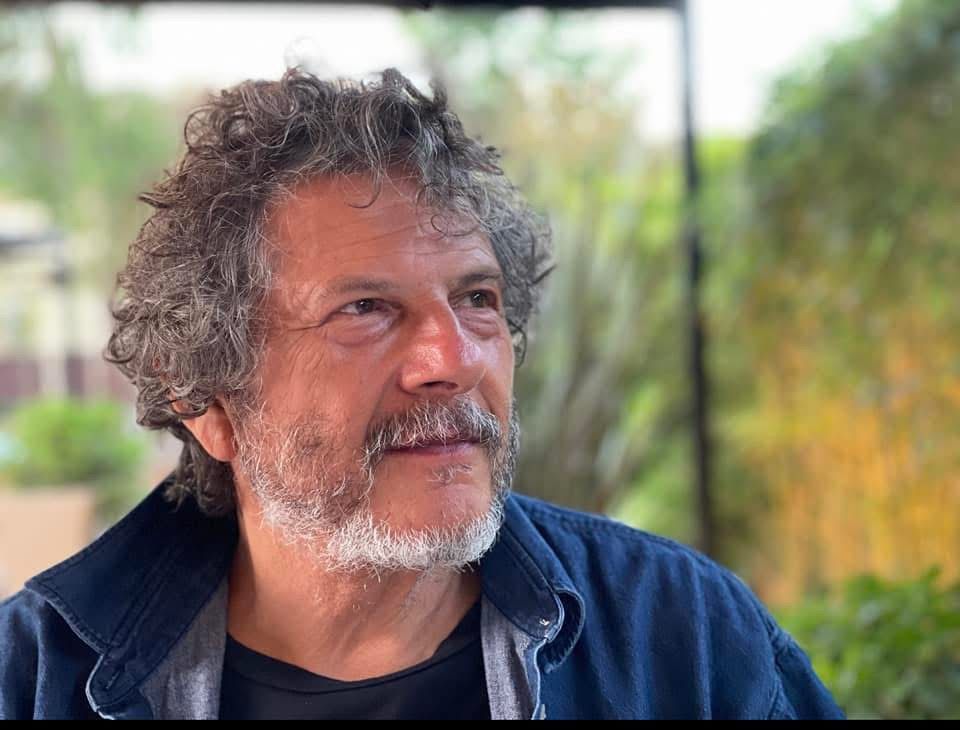
“What we’re seeing is something genuinely unprecedented: the world’s most powerful country announcing a campaign to destroy the world’s only permanent international criminal court,” Brody told The Alkamba Times in an exclusive interview.
Rubio, in a recent Wall Street Journal op-ed, outlined aggressive measures against the ICC, which the US has never joined despite being a key player in its early negotiations. The administration’s strategy includes sanctions on judges and prosecutors, visa bans, and threats to withhold security cooperation from allies that cooperate with the court. Brody described these tactics not as diplomatic pressure but as “a demolition notice.”
“He doesn’t just want to criticize, reform, or stay out of the ICC – he wants to dismantle it,” Brody said. “The tools Rubio describes are not legal arguments; they are sanctions, visa bans, and threats against allies honoring their treaty obligations.”
The US position echoes earlier tensions. During the George W. Bush administration, Washington sought exemptions for American personnel from ICC jurisdiction following the court’s creation under the Rome Statute. Negotiations failed, leading to a policy of non-cooperation that has fluctuated over subsequent administrations but remains fundamentally opposed to the court’s potential reach over US citizens.
Brody highlighted perceived double standards in Rubio’s stance. He noted that actions such as unauthorized military operations, extrajudicial killings, and certain migration policies could potentially fall under international scrutiny. Brody pointed to the ongoing ICC trial of former Philippine President Rodrigo Duterte for alleged extrajudicial executions as an example of the court’s mandate in action.
“Marco Rubio knows perfectly well” the legal implications of such policies, Brody said, adding that “rendering migrants to a notorious Salvadorian prison where they were tortured can create criminal liability.”
Observers have also linked Rubio’s hardline position to strong support for Israel, which has faced ICC scrutiny over its actions in Gaza. A 2015 email reported by Drop Site News described Rubio as a “great friend for Israel,” vetted by Oracle CEO Larry Ellison. Critics argue the US stance may indirectly legitimize attacks on ICC Prosecutor Karim Khan.
Brody warned of potential legal consequences for the US campaign itself. Article 70 of the Rome Statute criminalizes attempts to intimidate or retaliate against court officials. “The campaign to obstruct the court may itself become part of the case file,” he cautioned.
The escalating US-ICC confrontation raises broader questions about accountability for international crimes and the future of global justice mechanisms. While the United States maintains it will protect its sovereignty and personnel, advocates like Brody insist the court remains essential for holding powerful actors accountable when national systems fail.