By Momodou Gagigo
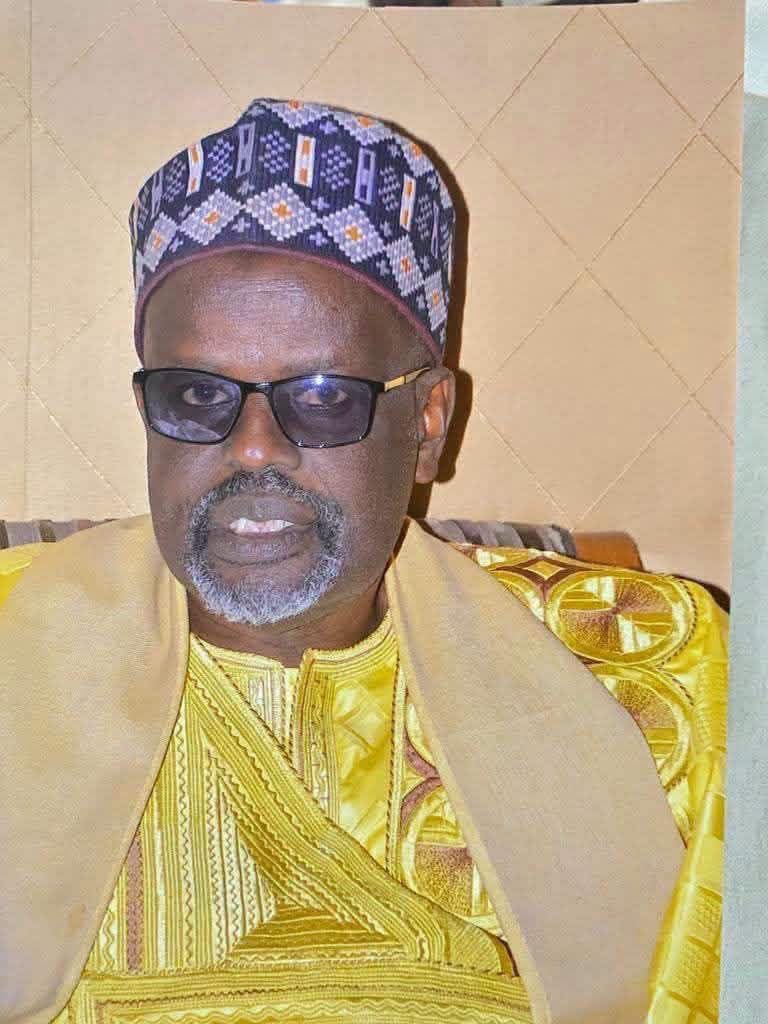
Imam Baba Leigh has issued a public apology to Gambians after widespread backlash over his anti-Mandinka remarks he recently made, saying he deeply regrets the hurt his comments caused and insisting that his words were not meant to target an entire ethnic community.
In an audio message circulated publicly, Imam Leigh acknowledged what he described as an error in his remarks and appealed for forgiveness from anyone who may have been offended. “I deeply seek forgiveness, as we are all Gambians and we are all one,” the imam said.
He specifically addressed members of several ethnic communities, saying his remarks were not directed at everyone. “To anyone hurt by these remarks, be it Mandinka, Fula, Jola, or Wolof, I sincerely apologize,” he said.
Imam Leigh further rejected accusations that he is a tribalist, saying tribalism is contrary to Islamic teachings. “I am not a tribalist, because even the Prophet doesn’t encourage tribalism,” he said, before repeating his appeal for forgiveness.
The apology follows a wave of criticism over remarks made by the prominent imam that sparked debate among Gambians, particularly around ethnicity, identity and the responsibility of public and religious figures when addressing sensitive national issues
The exact context of the earlier remarks has been widely discussed, but Imam Leigh’s latest audio makes clear that he recognizes that his words caused offense and is seeking to distance himself from any interpretation that they were intended to condemn or insult entire ethnic groups.
His decision to apologize comes at a sensitive moment in The Gambia, where discussions around ethnicity and political identity have quickly become emotionally charged.
For many Gambians, the imam’s latest intervention could therefore be seen as an attempt to lower tensions and draw a line between criticism of individuals and the collective identity of an ethnic community.
Imam Baba Leigh is no stranger to controversy or difficult national conversations. For years, he has been known as one of The Gambia’s outspoken religious and human rights figures. During the former Yahya Jammeh regime, he publicly criticized government policies, including the execution of death-row prisoners in 2012.
The imam’s latest statement has spread widely on social media and through community networks, with some welcoming the apology as a necessary step toward national unity while others continue to debate the original comments.