By Momodou Gagigo
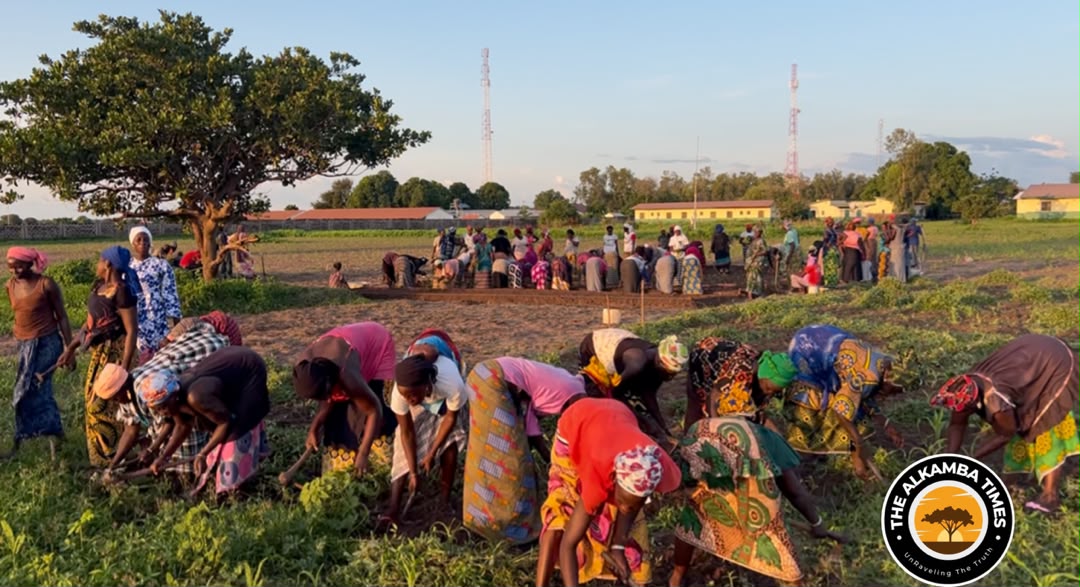
Women gardeners in Mamud Fana village in the Nimaina East District of the Southern Central River Region of The Gambia are struggling to keep their agricultural activities alive amid intensifying climate change, unreliable water supplies, and a chronic shortage of essential farming resources. These women, who depend almost entirely on small-scale gardening to feed their families and earn a modest income, say unpredictable weather, inadequate tools, limited access to quality seeds and insufficient water are steadily eroding their ability to produce enough vegetables to meet basic household needs.
For many of the gardeners, the plot of land they tend is far more than a source of fresh produce. It is a vital livelihood that helps them put food on the table, cover household expenses and support their children’s education and health. Yet despite their determination and daily labor, the women report that the absence of basic agricultural inputs continues to constrain production and leave large sections of available land uncultivated.
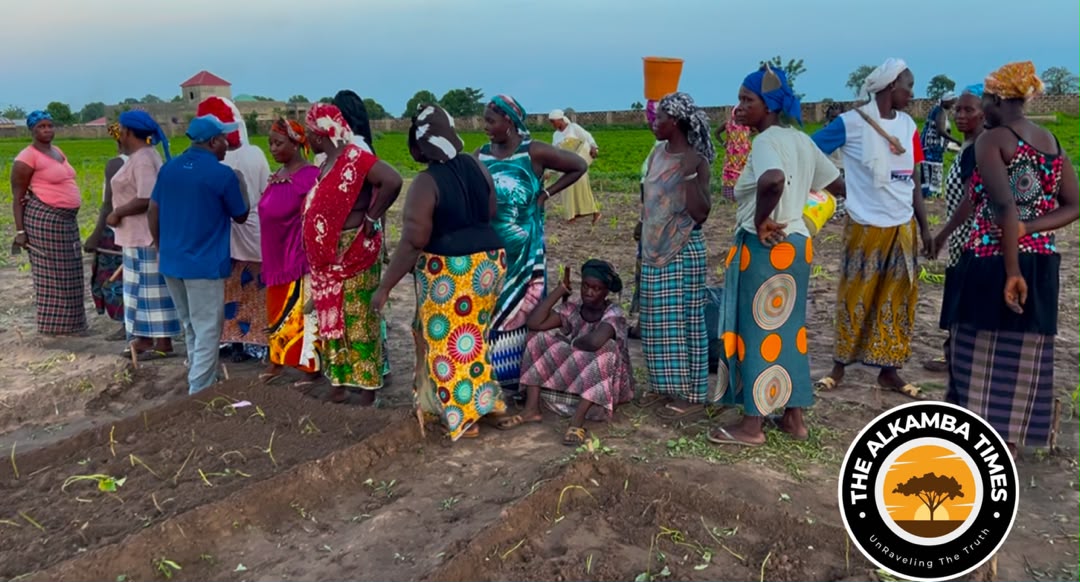
Access to reliable water remains the most pressing concern, especially during the long dry season. Jay Camara, a gardener from Mamud Fana, explained that the women turn to gardening because it is their primary means of making a living and caring for their families.
“The reason we venture into gardening is that this is where we make a living and take care of our families, but it is very difficult nowadays, as access to water during the dry season is a continuous challenge,” Camara said. Although the rainy season once provided a reliable source of moisture, the women note that rainfall patterns have become increasingly erratic. Rains often arrive late, end earlier than expected or fail to deliver sufficient water, making it nearly impossible to plan planting cycles with confidence. When moisture is scarce, crops wilt, yields drop, and the income the women rely on disappears.
The shortage of farming tools compounds the problem. Most gardeners work with only the most basic equipment to clear land, prepare beds, sow seeds, and weed their plots. The limited tools available make the work physically exhausting and restrict the size of the area they can cultivate. Sarata Seck, another gardener, said better equipment would make a significant difference. “We try using the limited equipment we have to do this, so if there were enough equipment, I am sure we would have done better,” she explained. Seck also pointed to the persistent difficulty of obtaining quality seeds.
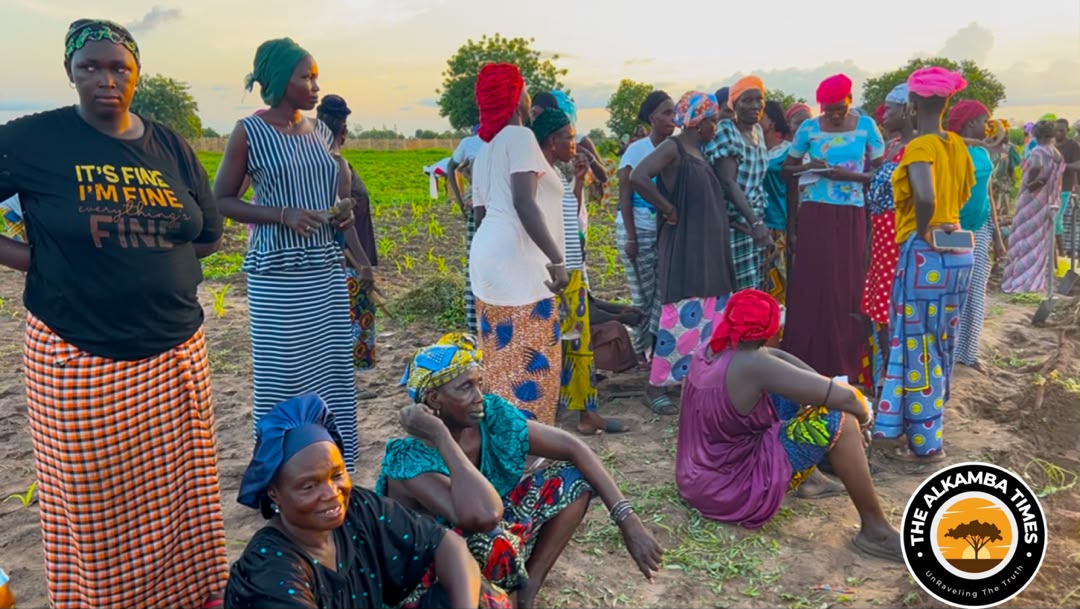
“The other thing is the lack of seeds. The seeds are not always enough, and even if they support us with seeds, it is often very late in the season, so we cannot risk growing them at that time of the season,” she added. Without timely access to seeds and other inputs, some land simply lies idle, further reducing overall productivity.
These local struggles mirror a broader crisis facing farming communities across The Gambia. Changing weather patterns, prolonged dry spells and extreme climatic events are creating deep uncertainty for small-scale producers whose livelihoods rest on natural resources.
For the women of Mamud Fana, the impact is immediate and personal. Kombeh Ceesay, one of the gardeners, described how inadequate rainfall routinely undermines their efforts. “We always grow our crops, but the rainfall often fails us. Without adequate rain, the season will not be good and therefore our harvest will be very poor,” Ceesay said. A poor harvest means less food for the household and far less income from the sale of vegetables at local markets, placing additional strain on already vulnerable families.
Despite the mounting obstacles, the women continue to return to their gardens each day, determined to preserve a livelihood that has become central to household survival. They are calling for greater support from the government, development partners and other stakeholders. Priority needs include reliable water infrastructure, quality seeds, modern farming tools and training in climate-smart agricultural techniques that can help their gardens withstand shifting weather conditions. For these women, strengthening the garden is not merely about growing more vegetables. It is about securing household incomes, improving food security and building a more stable future for their children.
Without adequate resources, however, their daily efforts remain a difficult battle against forces largely beyond their control. As they work the soil under an increasingly unpredictable sky, the women of Mamud Fana hold onto the hope that timely, targeted support can transform the land they cultivate into a source of dignity, income, food security, and lasting opportunity for their families.