Banjul, The Gambia 6 September 2026
The Permanent Secretary of the Ministry of Youth and Sports, Mr. Bulli M. Dibba, has issued a bold charge to the West African Football Union Zone A (WAFU-A), urging the regional body to significantly elevate the standard of football development across the sub-region.
Delivering the Government of The Gambia’s official statement on Sunday during the WAFU-A Ordinary General Meeting in Banjul, Mr. Dibba underscored the urgent need for expanded investment in youth and women’s football, robust institutional governance, and capacity building.
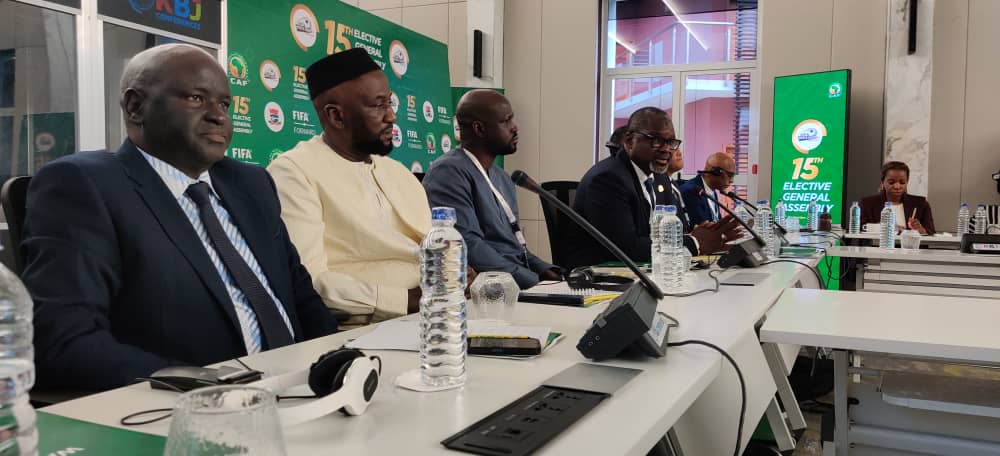
The high-level gathering brought together delegates from all nine Member Associations within the Zone, alongside officials from CAF, FIFA, and key football development partners.
While acknowledging recent advancements in the sub-region, Mr. Dibba cautioned stakeholders against complacency. He emphasized that football has evolved beyond a sporting discipline into a crucial driver of economic opportunity, social cohesion, and regional integration.
“We must continue to raise our standards. We must continue to invest in our young people. We must strengthen our institutions. We must improve the quality of our competitions,” Dibba stated, maintaining that the success of football administration must ultimately be judged by the tangible opportunities it generates for West African youth.
Highlighting the strategic importance of hosting WAFU-A’s headquarters in Banjul, Mr. Dibba described the recent formal ratification of the headquarters agreement as a major milestone. He noted that the country’s physical hosting of the body must serve as a functional hub for regional cooperation in training, technical growth, and competition administration.
Reaffirming the Gambian government’s backing, he assured continued alignment with the Gambia Football Federation, CAF, and FIFA to ensure the headquarters yields sub-regional dividends.
Addressing specific strategic growth areas, the Permanent Secretary called for structured talent pathways connecting grassroots academies to professional and international levels. He further demanded accelerated, targeted investment in women’s football, covering infrastructure, coaching, administrative capacity, and commercial viability.
On administrative integrity, Mr. Dibba insisted that transparency, accountability, and financial discipline must remain non-negotiable pillars of football administration. Recognizing financial constraints, he urged Member Associations to actively engage private sector sponsors and broadcasters rather than relying solely on state funding.
Closing his address, Mr. Dibba framed football as an indispensable tool for sub-regional peace and unity, encouraging delegates to make decisions anchored in the long-term interest of the continent’s next generation.
“May our discussions strengthen the unity of WAFU-A, may our decisions advance the development of football, and may our collective efforts continue to inspire and empower the next generation of West African footballers,” he concluded.