By Fatou Dahaba
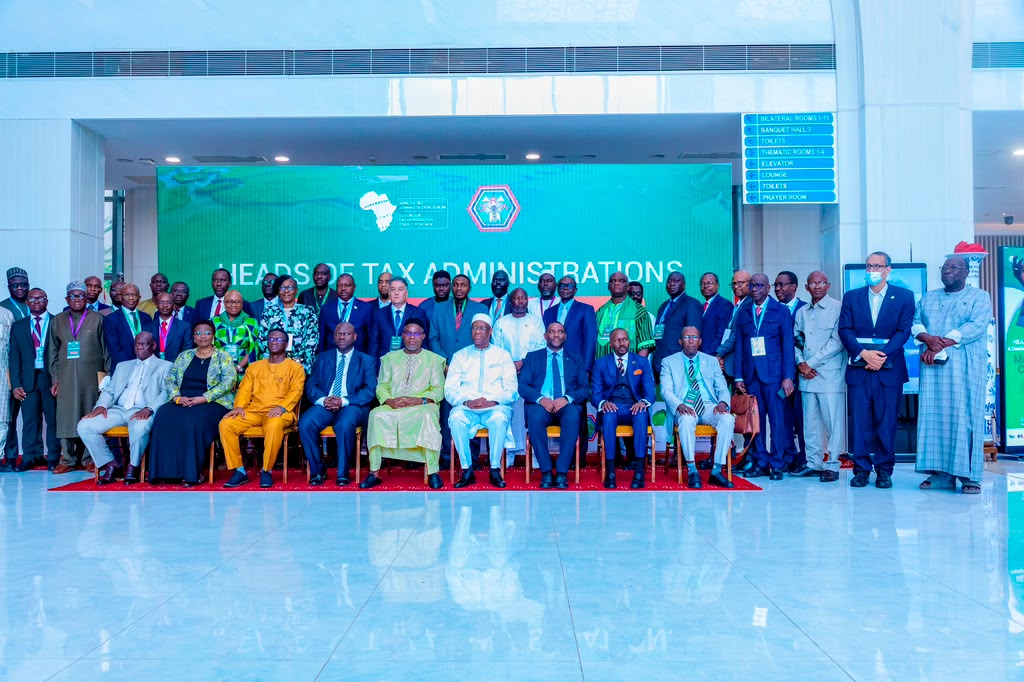
Senior tax officials from across Africa gathered in The Gambia this week for the 7th Heads of Tax Administration Masterclass organized by the African Tax Administration Forum (ATAF), sending a unified message: the continent must build stronger domestic revenue systems to finance its own development and reduce reliance on foreign aid and loans.
Hosted in Banjul under the theme “Leading for Greatness: Shaping High Performance Tax Administrations,” the high-level forum brought together commissioners general, heads of revenue authorities, government ministers and development partners. Discussions centered on leadership, digital modernization, compliance reforms and the strategic importance of tax administration in building sovereign African economies.
Gambia Revenue Authority (GRA) Commissioner General Yankuba Darboe described the Masterclass as a crucial platform for peer-to-peer learning that has directly influenced reforms back home. “Technology can modernize systems, but leadership sustains reforms,” Darboe said.
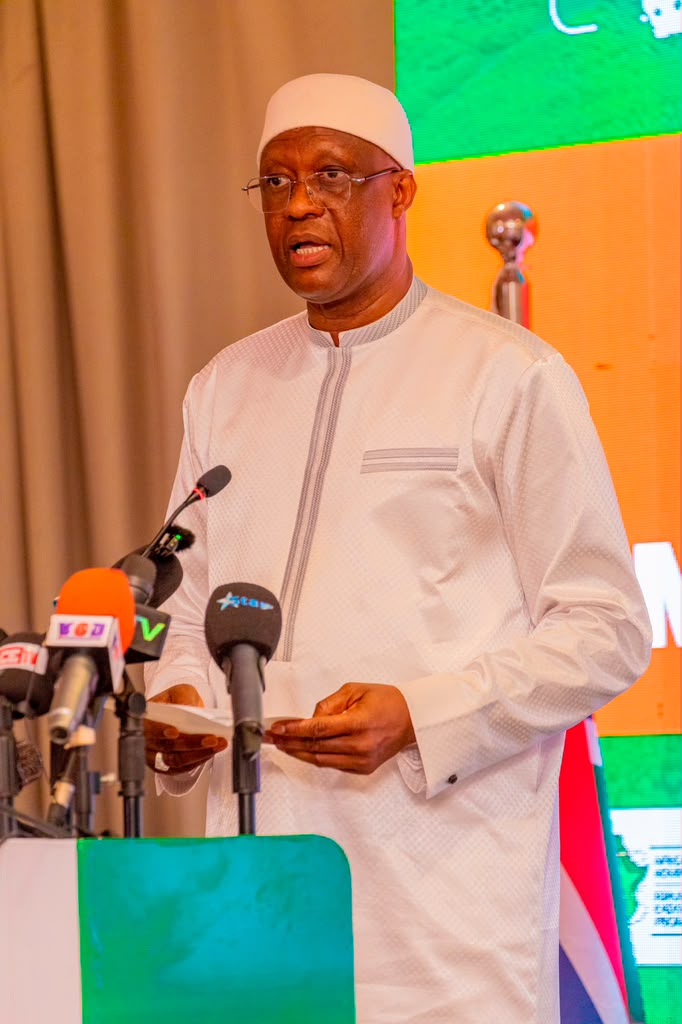
He highlighted how political backing has helped The Gambia overcome resistance to change, noting that many of the GRA’s digital solutions, compliance strategies and institutional improvements were inspired by lessons shared at previous ATAF gatherings. “Every year, we return home with new ideas, fresh perspectives and practical lessons from fellow Commissioner Generals who have faced challenges similar to those confronting us in The Gambia,” he added.
ATAF Executive Secretary Mary Baine emphasized that revenue administration sits at the heart of state sovereignty. “Revenue administration is not a back office function, but a pillar of sovereignty, commanding attention at the highest level of the state,” Baine told delegates.
She pointed to continental data showing rising nominal tax revenues yet persistently low collections as a share of GDP, underscoring the urgent need for better compliance, administration and digital tools. Baine noted significant untapped potential to increase revenue without raising tax rates, particularly through improved VAT efficiency and technology investments.
ATAF Chairman and South African Revenue Service Commissioner Dr Johnstone Makhubu framed the gathering in broader pan-African terms. “As I look around this room, I do not see only representatives of different jurisdictions; I see fellow Africans,” Makhubu said. “We are African, we serve Africa, and the future we are called upon is to build an African future that is sustainable.”
He stressed that effective tax systems do more than fund governments — they finance opportunity, dignity and hope for over 1.6 billion Africans.
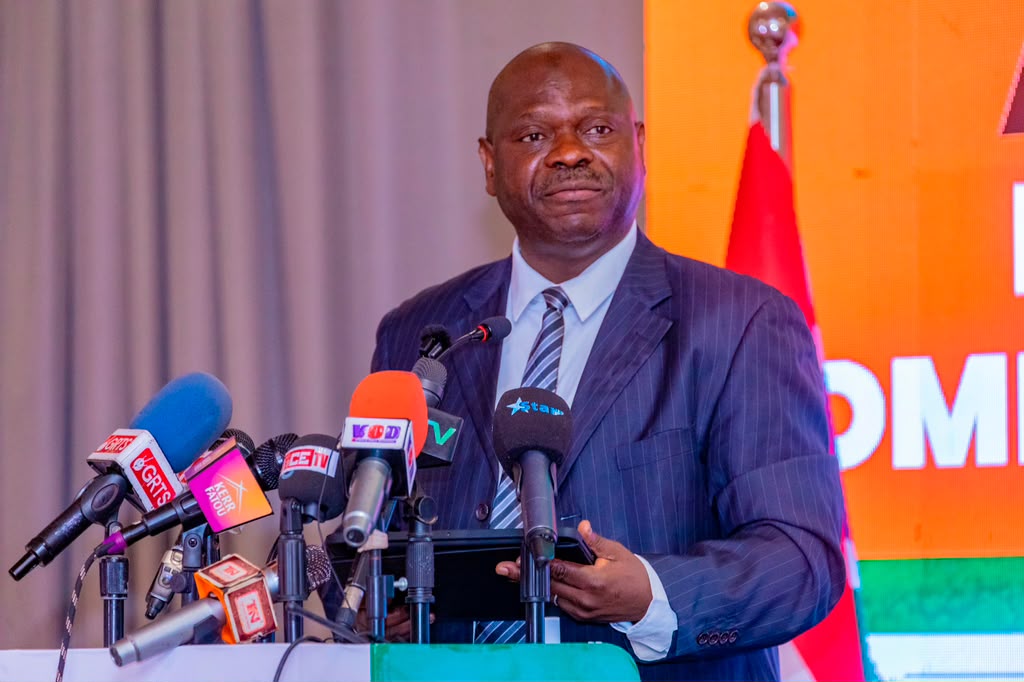
Gambia’s Minister of Finance and Economic Affairs, Hon. Seedy Keita, described the meeting as occurring at a defining moment amid tightening global development finance. He spotlighted The Gambia’s own progress, with the tax-to-GDP ratio climbing from 9 percent in 2022 to 13 percent through digitalization and compliance measures rather than rate hikes. The additional revenue has supported civil servant salary increases, road infrastructure, and expanded public services.
Vice President Muhammed B.S. Jallow, representing President Adama Barrow, reinforced the government’s commitment since 2017 to domestic resource mobilization as a path to reduced dependence on external financing. Jallow praised Commissioner General Darboe’s “bold and visionary leadership” in driving reforms despite challenges, while cautioning that technology alone is insufficient without strong leadership.
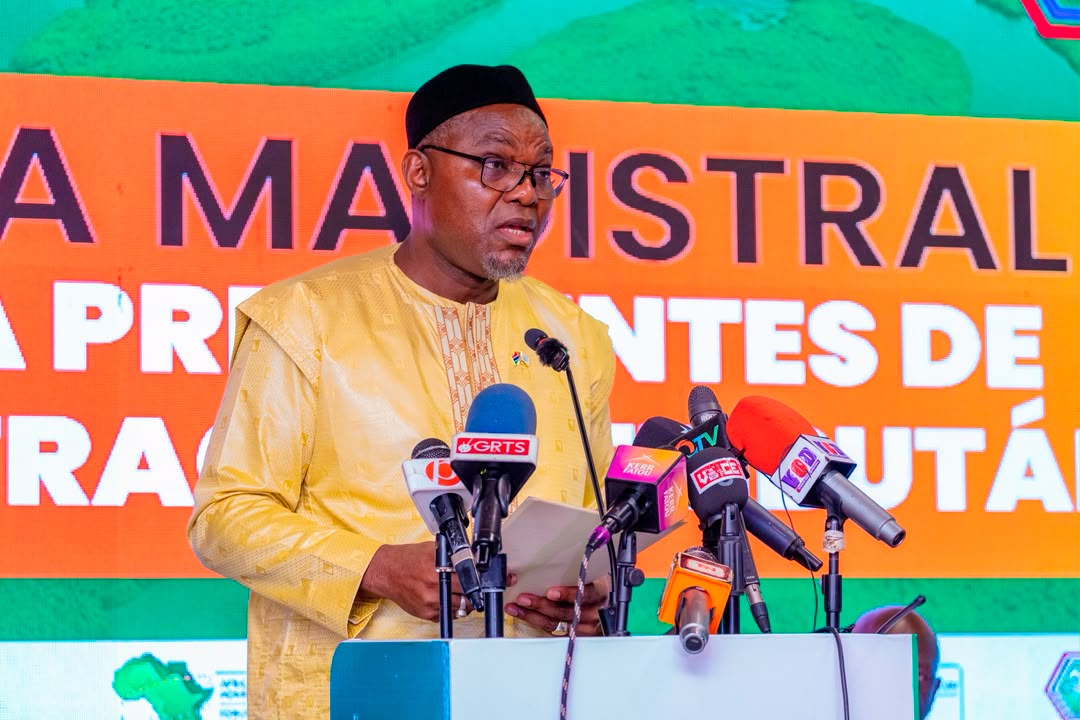
Across speeches, participants agreed that Africa’s ambitions in infrastructure, health, education and job creation hinge on building efficient, transparent tax administrations. The forum also highlighted ATAF’s role in capacity building, best-practice sharing and amplifying African voices on global tax issues such as illicit financial flows and base erosion.
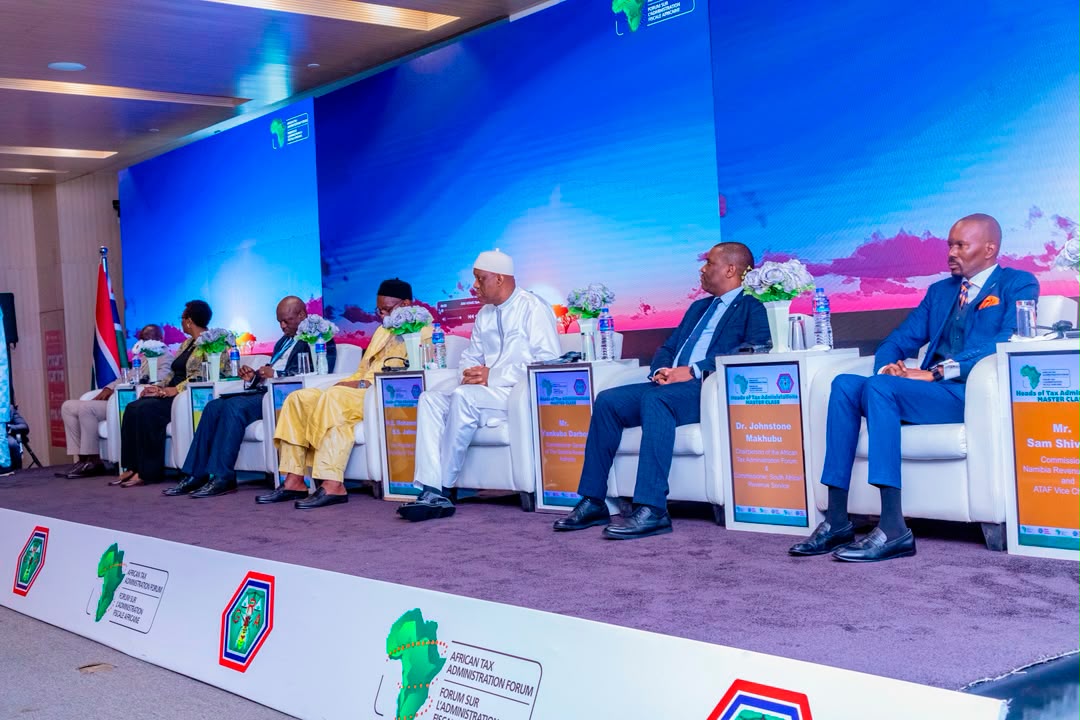
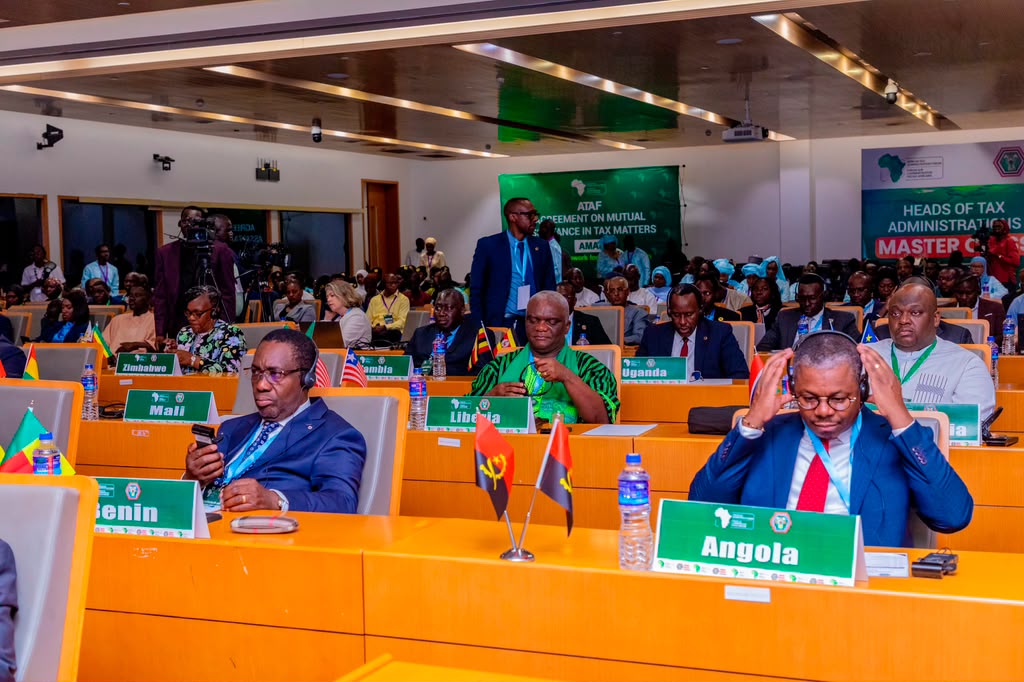
The Masterclass continues with closed-door sessions under the Chatham House Rule, enabling candid exchanges on leadership and institutional reform. As Africa confronts fiscal pressures and global uncertainties, the Banjul gathering underscores a growing consensus: sustainable development must be funded primarily from within.