By: Kebba Ansu Manneh
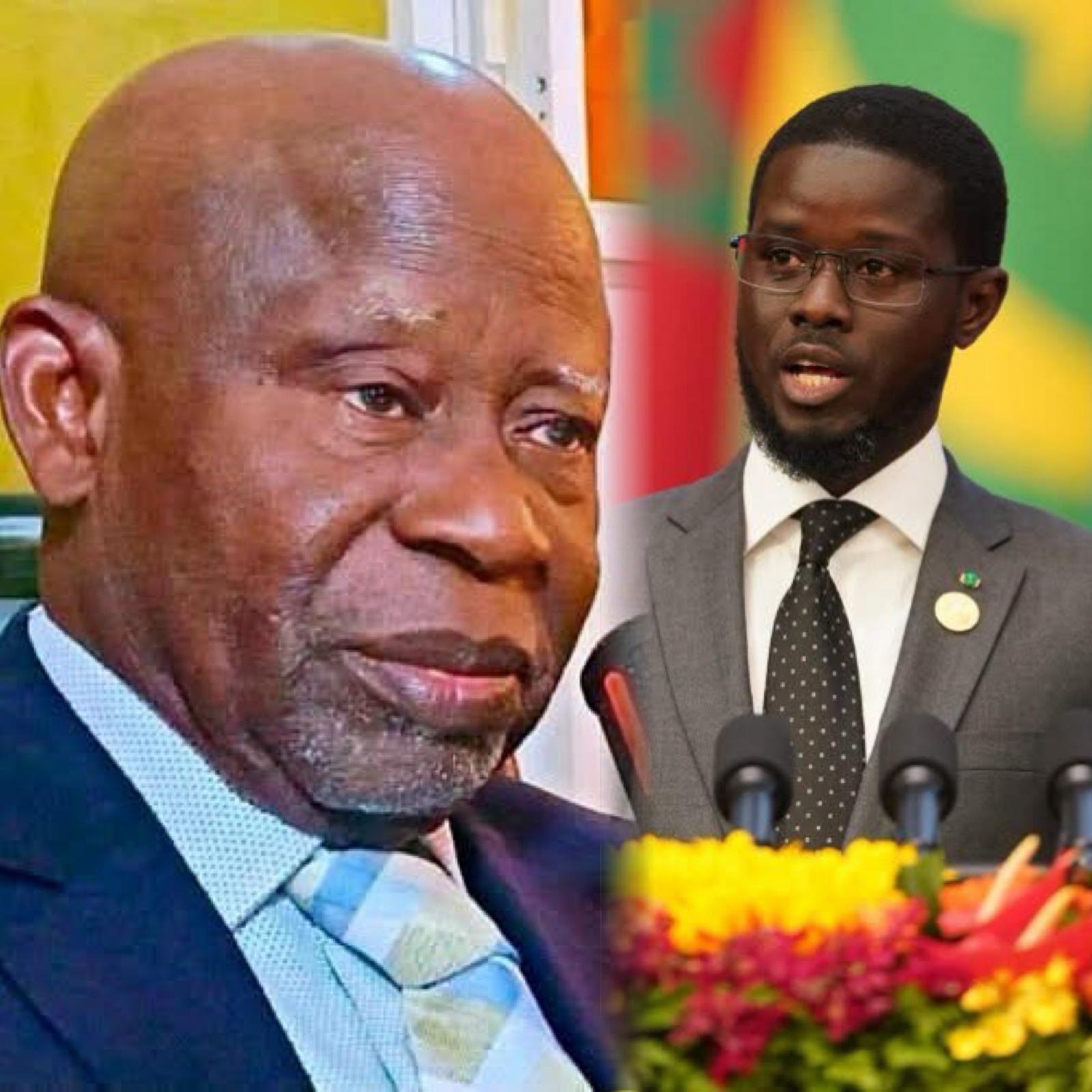
United Democratic Party leader Ousainou Darboe on Saturday urged Senegalese President Bassirou Diomaye Faye to permit Gambian farmers to complete their work on farmlands claimed by Senegal, warning that forcing them off the land mid-season would ruin an entire harvests.
Addressing a large political rally in Jiffarong Village, Kiang West District, on August 1, 2026, Darboe blamed President Adama Barrow for the ongoing border crisis and called for restraint from Dakar.
“I am appealing to President Diomaye Faye and his Government to leave the farmers to complete their farming activities. After the farming season, you can continue your discussions on the border issue,” Darboe said. “I want to tell you that Gambia and Senegal are one people, who share many things in common.”
He pointed to deep cultural and religious ties between the two countries. Thousands of Gambians are currently attending the Maggal in Touba, he noted, and similar numbers travel for other major religious gatherings such as the Njasan Gamo, Tiwawon Gamo and Makakoli Bantang. “Gambia and Senegal share the same things, including religious houses. These alone should have been a deterrent not to remove farmers from their farms forcefully,” Darboe said.
The opposition leader asked President Faye to intervene so that Gambian farmers working on the disputed border lands can avoid heavy losses. He suggested that the dry season would be a more appropriate time for the two governments to resolve outstanding border questions.
Darboe rejected any notion that the current treatment of border farmers reflected the traditional closeness between the nations. Quoting a common local saying that Gambia and Senegal are “one head you cannot split into two,” he argued that Senegal should show consideration given the family, religious and communal links that bind many people on both sides of the border.
“I am not disputing whether those lands are in Gambian territory or not, but what I am saying is both the Senegalese Government and the Senegalese citizenry should be considerate of the close relationship before embarking on such activities,” he said. “Our religions, whether you are Muslims or Christians, did not endorse such an act of removing farmers from their farms in the middle of the farming season.”
Removing farmers at this time of year, Darboe continued, “is not what we term as an expression of good relationship.” It would mean the complete loss of a season’s work. He therefore renewed his appeal for President Faye to step in before the situation escalates further.
Darboe expressed sympathy for farmers affected in areas including Kabada, Gambisara, Misira, Jahanka, Jimbsra, Panchang and Njau. Being ordered off the land in the middle of the rainy season, he said, is “the hardest pill any farmer can swallow.”
He reserved his strongest criticism for President Barrow, accusing the Gambian leader of failing to prioritize the farmers’ plight or take decisive steps to de-escalate the dispute. “When this complaint started, I did not think it was right for President Barrow to send someone to Senegal,” Darboe said. “If he was not able to go to Senegal to discuss with President Diomaye, President Barrow should have called President Diomaye by phone to address this matter.”
Matters of this sensitivity, he argued, require direct engagement between the two presidents rather than lower-level diplomacy. Had the border issue been treated as a priority, Barrow would have traveled to Senegal himself to prevent the possible destruction of an entire farming season for Gambian citizens.
Darboe’s remarks come as tensions continue along sections of the shared border, with local farmers caught in the middle of unresolved territorial claims.