By: Momodou Gagigo
More than 250 residents of Niamina East, Niamina West and Dankunku Districts have spent the week learning what The Gambia’s National Land Policy 2026 means for their farms, family compounds and future villages.
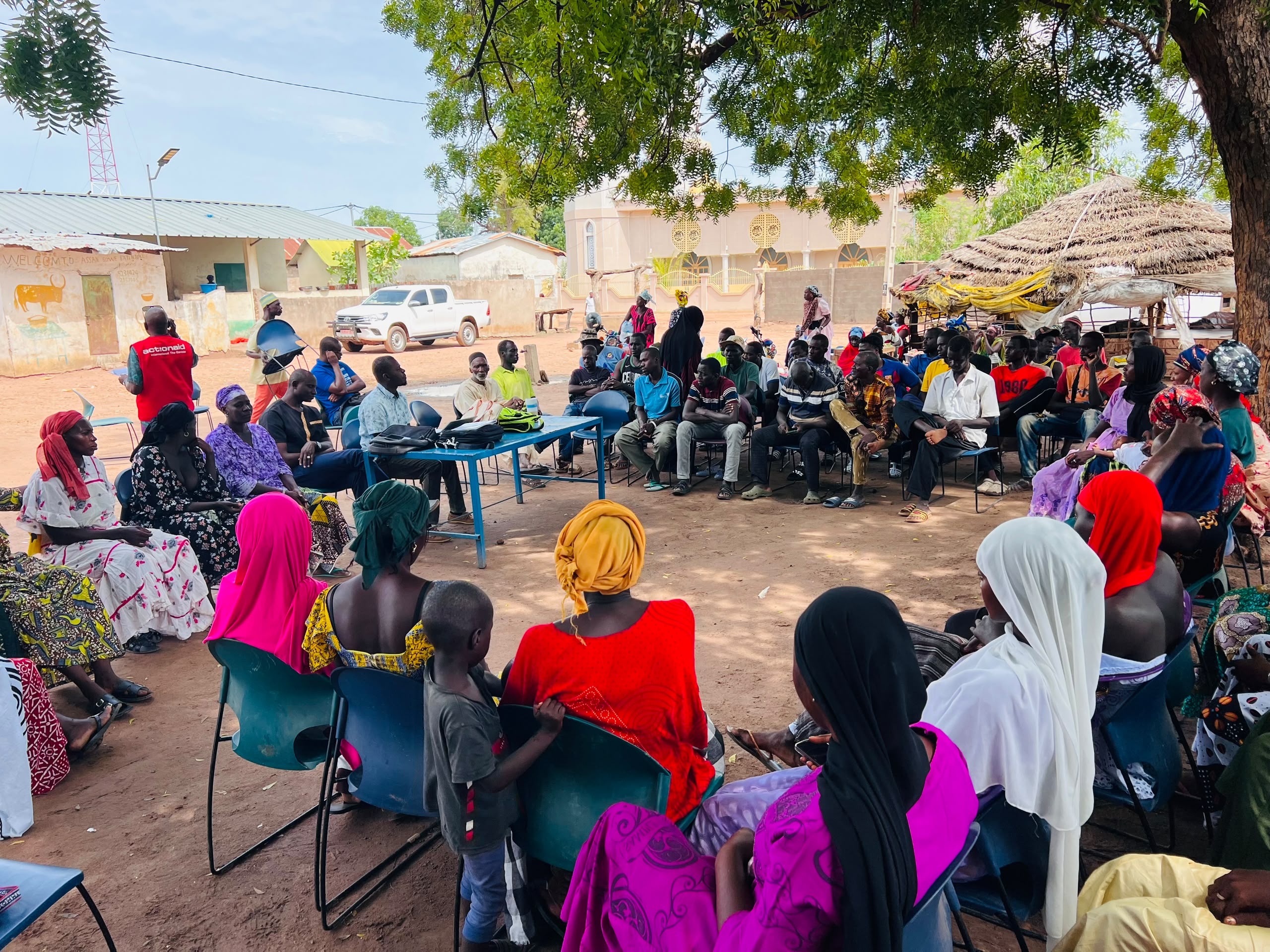
ActionAid International The Gambia, through Local Rights Program 11, organized the five-day sensitization from September 8 to 12 in Kudang, Bati Njoll, Nanaba, Sambang and Dankunku. Officials from the Ministry of Local Government and Lands and the Ministry of Justice walked participants through ownership, registration, administration and dispute resolution.
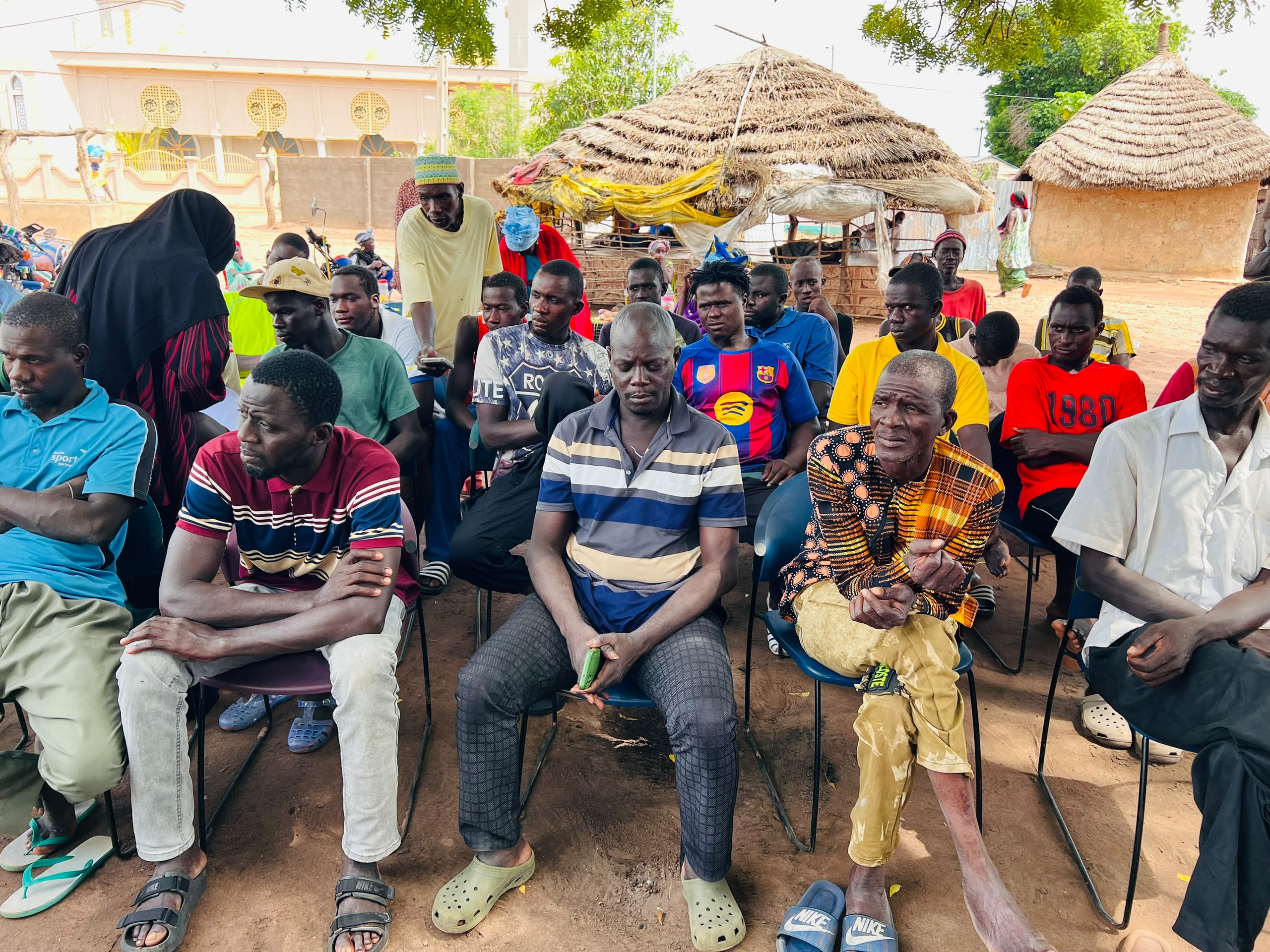
Samba Sowe, Head of Development Planning at the Ministry of Lands, said many rural residents had never heard of the policy.
“Most of them will tell you that they do not know that we even have a land policy, let alone the main issues that are discussed in the policy or the chapters,” Sowe said.
Facilitators have taken communities through the document chapter by chapter, covering tenure systems, registration and the rights and duties of land users. Sowe said clearer knowledge should help people make better decisions and know both what they are entitled to and what they are not.
He stressed formal documentation. Rural landowners often hold large tracts without papers that banks will accept. In the Greater Banjul Area, he noted, a lease can serve as collateral.
“In the Kombos, when you have a lease, you can easily use the lease as collateral to get money in the bank,” he said.
The ministry is preparing a Certificate of Customary Ownership that, if lenders recognize it, could unlock credit for seeds, education and small businesses.
“If they have land papers that they can use as collateral either at a credit union or at a bank, they are somehow economically empowered to be able to have money and buy seeds, and then use those seeds to cultivate,” Sowe said.
The sessions also highlighted a growing shortage of reserved public land. Officials once thought the problem was confined to the Kombos. Engagements this week showed otherwise.
“Yesterday we had a wake-up call in the community that we are here,” Sowe said. Some villages lack space for schools, football fields or other facilities. Population is rising; land is not.
“The population is increasing, but the land size is not increasing,” he said. Communities should sit with landowners now and set aside land for future mosques, schools and public works, he advised, or risk seeing development projects stall for lack of a site.
At the opening, Famara Conteh, Program Coordinator of ActionAid LRP 11, said the exercise is meant to put accurate information in people’s hands and to keep women, youth and other vulnerable groups involved in land decisions. Participants have been invited to question officials and share local experience.
Topics covered include customary and statutory tenure, registration, allocation, land-use planning, transactions, dispute prevention and the legal framework that governs land in The Gambia.
Organizers present the program as part of a wider push for transparent, accountable and equitable land governance. By bringing ministries to the villages, they say, residents can understand their rights and manage land issues more peacefully and responsibly.