By Fatou Dahaba
Auditor General Cherno Amadou Sowe has warned journalists and the public not to treat audit findings as automatic evidence of fraud or deliberate wrongdoing.
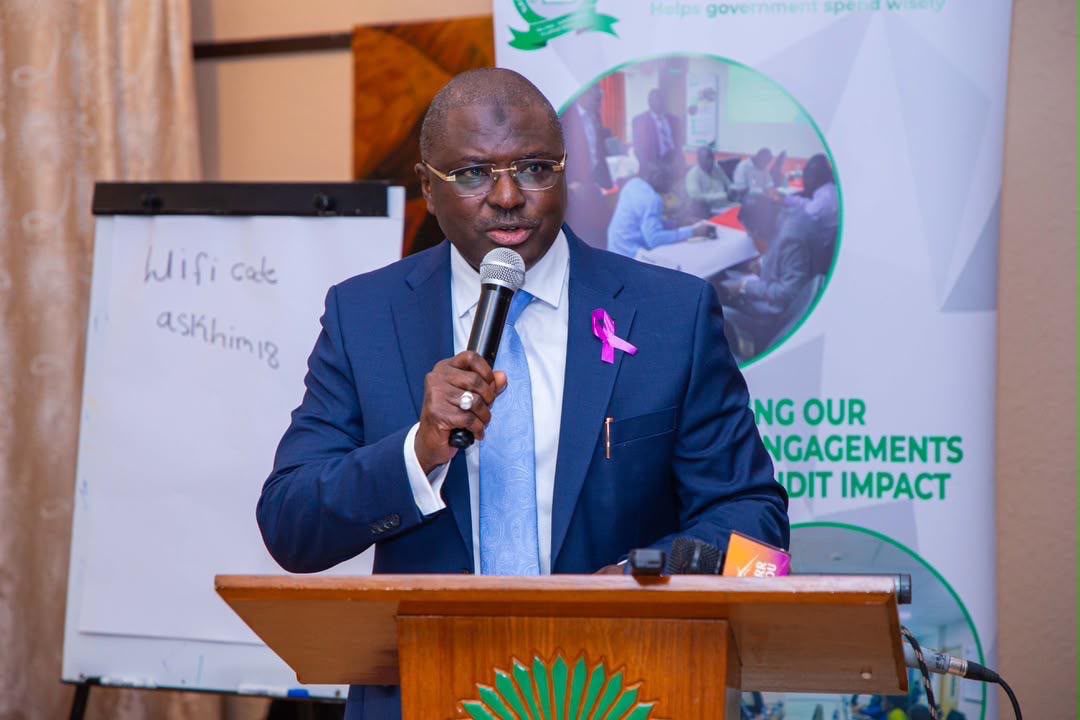
Speaking at a National Audit Office (NAO) engagement with media professionals, he called for more accurate, balanced and evidence-based reporting on public sector audits.
The session, part of the NAO’s annual outreach to strengthen cooperation with the media, brought together representatives from media houses, community radio stations and the Gambia Press Union. Sowe emphasized that while the media plays an indispensable role in informing citizens, promoting transparency, and holding public institutions accountable, independent scrutiny of audit reports must be grounded in proper context and a clear understanding of what audits are designed to achieve.
“Audit observations are based on evidence gathered within a defined scope and should not be exaggerated beyond what the reports support,” Sowe told the gathering. He stressed that an identified control weakness or procedural lapse does not automatically amount to fraud, corruption or intentional misconduct. He said mischaracterizing findings this way can create public misconceptions, divert attention from the actual issues raised, and ultimately undermine the purpose of the audit process itself.
The Auditor General outlined the range of work the NAO carries out, including financial, compliance, performance, and information technology audits. All aim to strengthen accountability and improve public financial management. He noted that their impact is greater when findings and recommendations are correctly interpreted and responsibly communicated.
Sowe expressed concern about instances where audit reports have been covered without sufficient context, shifting public focus away from the real governance and management weaknesses identified. He argued that such reporting can weaken, rather than support, the broader objective of audits: pinpointing deficiencies, recommending corrective action, and improving public administration.
He clarified that the NAO is not asking the media to soften criticism or avoid difficult questions. On the contrary, the office welcomes scrutiny and regards journalists as essential partners in the national accountability system.
Under the law, audit reports are submitted to the National Assembly and then made available to the public through parliamentary processes. This framework, Sowe said, enables citizens, civil society organizations and the media to engage meaningfully with issues surrounding the management of public resources.
He urged attendees to use the engagement to deepen their understanding of public sector auditing, ask questions, and offer suggestions to improve communication between the NAO and the media. The session is part of the audit office’s ongoing efforts to build greater public literacy around its work and foster a more informed national conversation on public financial management.
By framing audit findings accurately, Sowe concluded, journalists can better serve the public interest—highlighting genuine risks and shortcomings while avoiding the exaggeration that turns procedural observations into unsubstantiated allegations of misconduct.