By: Kebba Ansu Manneh
A Gambian energy expert has denounced the government’s concession agreement with Turkey’s Albayrak Group for the Port of Banjul as a curse rather than a blessing, arguing that the deal is not in the best interest of the country or its citizens and that it rests on a fundamentally flawed and invalid bidding process.
In an exclusive interview with The Alkamba Times, the expert—who requested anonymity—said Negmar Group’s withdrawal from the original Albayrak joint consortium rendered the entire award null and void. The contract went to the Negmar–Alport Banjul consortium (operated by Albayrak) even though evaluation reports showed it was not the preferred bidder. Negmar’s subsequent exit without a clear justification, the expert contended, violated the rules governing the process.
“The award to the consortium should therefore have been canceled, but instead the government proceeded to sign the contract with Alport Banjul, operated by Turkey’s Albayrak Group,” the expert said. “Awarding Albayrak and its subsidiary the concession clearly violated the rules and regulations governing the bidding process.”
The expert further accused the government of betraying citizens by offering unfavorable revenue terms that diverged from the original Request for Proposals (RFP). The RFP had specified a 70 percent share for the consortium and 30 percent for the Government of The Gambia. The signed contract, however, allocates 80 percent to Alport Banjul (Albayrak) and only 20 percent to the government, leaving 10 percent unaccounted for.
“This discrepancy warrants an explanation,” the expert stated. Citing sources he described as reliable within the ports, he alleged that the extra 10 percentage points were intended for the president’s nephew, Amadou Sanneh. “That would explain why Alport Banjul’s share increased from 70 percent to 80 percent.”
He challenged the Gambia Ports Authority (GPA) to investigate these claims and publicly disclose the full terms of the revenue-sharing arrangement. On gross monthly revenue—before any expenses are deducted—the RFP had provided for Alport Banjul to receive 94 percent and the government 6 percent. The signed contract reportedly shifts this to 96 percent for Alport Banjul and 4 percent for the government. Again, the expert said sources indicated the additional 2 percentage points were allegedly earmarked for Amadou Sanneh.
With the ports reportedly collecting approximately $58 million per month, the expert noted that these percentages would allow straightforward calculations of the sums flowing to Alport Banjul, the government, and—if the allegations hold—the president’s nephew.
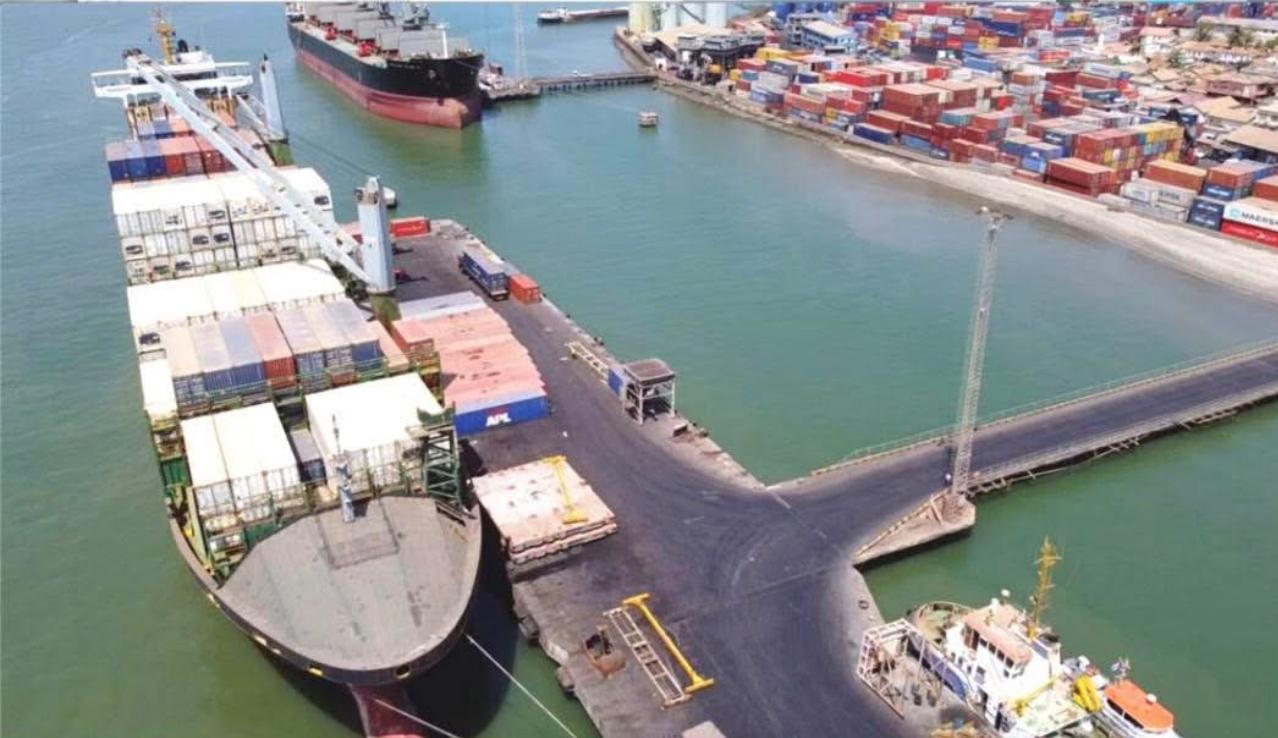
The 30-year concession, signed in July 2024 and set to take effect later, covers operations and upgrades at the Port of Banjul, as well as the development of a new deep-sea port at Sanyang. Under the publicly known structure, Albayrak (via Alport Banjul) holds an 80 percent stake. In comparison, the government retains 20 percent, and officials have previously stated that the state receives 4 percent of gross revenue. The government has defended the arrangement as necessary to attract investment the GPA could not fund itself, while stressing that core assets remain state-owned.
Earlier reporting by The Alkamba Times had already flagged concerns that the Albayrak-Negmar consortium was awarded the bid despite failing key technical and financial criteria that another bidder (Bolloré) met, and that Negmar later withdrew amid questions about capital and capacity. The expert’s latest remarks intensify those criticisms by linking the altered share structure to allegations of personal enrichment and insisting the post-withdrawal deal should never have been finalized.
He called on GPA management to verify the claims about Amadou Sanneh and release the full revenue-sharing terms so the public can assess whether the agreement serves national interests or primarily benefits private parties. As of the interview, neither the government nor Albayrak had publicly responded to the specific new allegations.