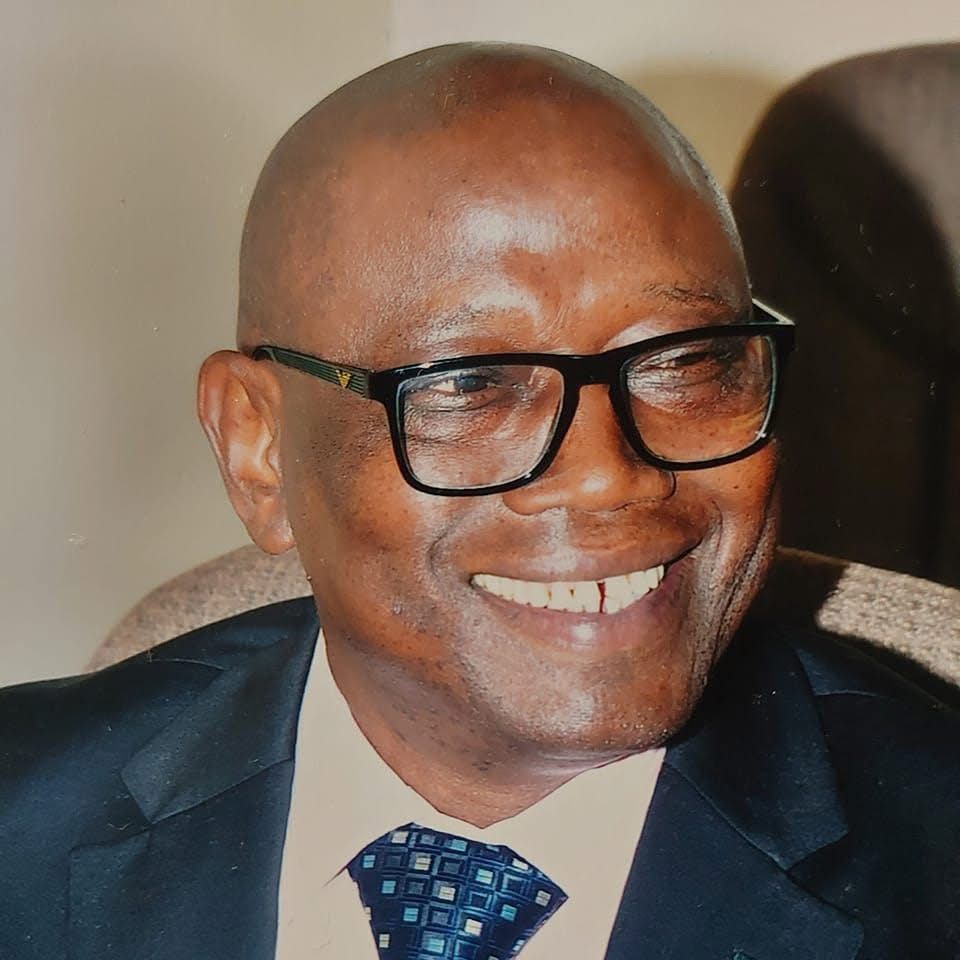
In a candid reflection on transitional justice, Dr. Baba Galleh Jallow, former Executive Secretary of The Gambia’s Truth, Reconciliation and Reparations Commission (TRRC), has warned that many truth-seeking processes worldwide falter when they uncover truths that threaten powerful political interests.
In a detailed analysis, Jallow argues that Gambia’s TRRC succeeded where others failed by embracing transparency and inclusivity from the outset, making the suppression of its findings nearly impossible.
History shows that states often launch truth commissions expecting revelations of gross human rights abuses, yet remain unprepared for demands to overhaul the very institutions and practices that enabled those violations. Jallow cites Africa’s first truth commission, established in Uganda in 1974 under President Idi Amin amid pressure over disappearances. The commission’s report implicated two key security agencies—the Public Safety Unit and State Research Bureau—in widespread atrocities. In response, Amin sacked the chair, a Pakistani judge, who was expelled; one commissioner was framed for murder and executed; another fled; and the fourth’s fate remains unknown. The report was buried, and Amin’s reign of terror intensified, cementing his reputation as “the butcher of Uganda.”
Similar patterns repeated elsewhere. Reports from Zimbabwe’s Chihambakwe Commission on the Gukurahundi massacres, Nigeria’s Oputa Panel, Nepal’s Mallik Commission, and Bolivia’s inquiry into disappearances were never fully released. Mozambique and Cambodia opted against truth commissions altogether, citing national security, only to later confront lingering divisions. Official excuses often invoked national security or funding shortages to justify reparations, but Jallow contends that the real drivers are elite fears of accountability, the protection of privileges, and the preservation of constitutional arrangements that favor those in power—especially when sitting government figures are implicated.
The Gambia, however, learned from these precedents. Jallow credits the TRRC’s architects with framing the process as a genuine “national conversation.” Through live broadcasts on television, radio, and social media, YouTube availability, town hall meetings, community dialogues, school programs, and the Never Again Campaign, the commission ensured its findings reached every corner of society and the world. This strategy of inclusivity and radical transparency preempted suppression.
Although the TRRC Act mandated publication of the report within 30 days—a clause common to failed commissions elsewhere—the public already knew its contents by the time of submission. “Suppressing its report would have been a political blunder and a massive exercise in futility,” Jallow writes.