In homes across the Greater Banjul Area and West Coast Region, nights remain long and hot. For months, Gambians have faced recurring power cuts that spoil food, halt businesses, and leave families in the dark, even after official claims that supply had stabilized.
“I depend on electricity to keep my products fresh. Recently, I lost almost everything because the power goes off for long periods. Sometimes I don’t even know when it will come back,” said Mama Jallow, a market vendor at Serekunda Market whose perishable goods were ruined. Tailor Ebrima Manneh described a similar blow: “Nearly half of my clients could not get their clothes ready. It was heartbreaking because they trusted me and I depended on that income.”
Another tailor, Foday Jammeh in Serekunda, put it bluntly: “No power means no machines, no income.” Several business operators within the Greater Banjul Area echo the same frustration, with residents reporting nights without light stretching into weeks.
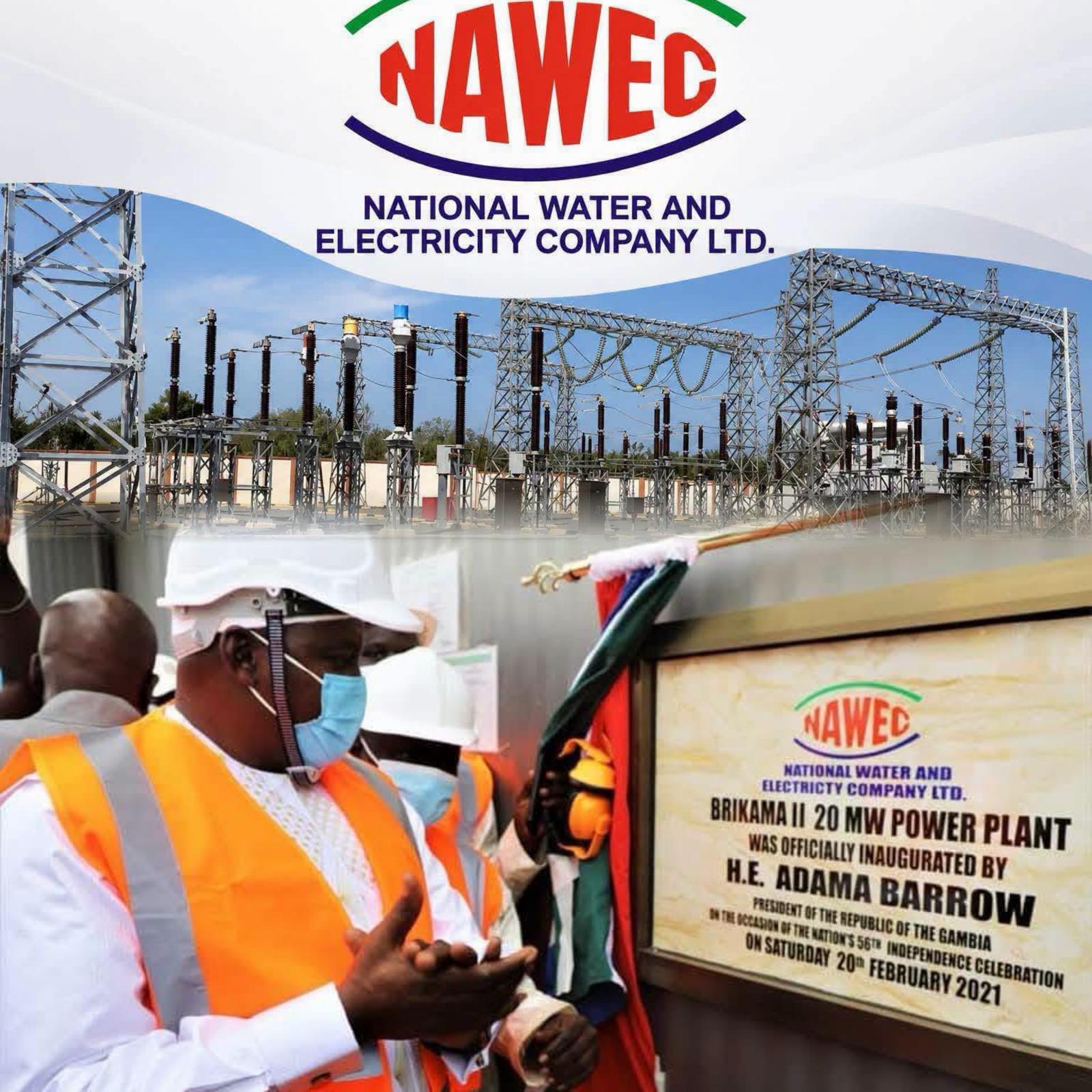
The crisis is not new. NAWEC, the state utility, has long struggled with aging plants at Kotu and Brikama, where output has often collapsed during maintenance. Demand has nearly tripled since 2016, while the country relies heavily on imports through the OMVG regional grid from Senegal and Guinea. Those imports dropped sharply in 2026 amid technical faults, fuel shortages and reduced generation in neighboring countries. The expensive Karpowership floating plant contract ended in May 2025 after years of extensions that strained NAWEC’s finances. The utility carries heavy debts, has posted large losses, and still cannot fully cover costs despite high tariffs. Spare-parts delays, fuel-price spikes and currency mismatches have compounded the shortfall. Peak demand has reached 110–140 MW at times, while available supply has frequently lagged far behind.
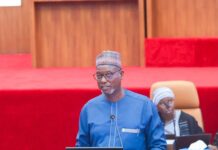
Former NAWEC director Alpha Robinson described the roots as financial strain, neglected infrastructure, and over-reliance on imports. “The company is under severe financial pressure. Even with higher tariffs, NAWEC continues to lose money due to foreign currency obligations and exchange rate fluctuations,” he said. “Our infrastructure is outdated, and without consistent investment in upgrades, breakdowns are inevitable.”
GALA Spokesman and activist Omar Saibo Camara, who protested in June with candles and empty buckets, argued that large investments since 2017 had not delivered reliability: “We are not seeking further promises, excuses, timelines, or public relations statements. We are demanding tangible action.”
President Adama Barrow declared in late June that “Electricity is stable now” after OMVG imports improved. NAWEC officials have called the disruptions a temporary “glitch” tied to maintenance, delayed Korean spare parts rerouted amid conflict, and soaring fuel costs. The company has requested government funds for emergency purchases from Senegal’s SENELEC, restored some generators, prioritized hospitals and water plants, and advanced a 50 MW solar project in Jarra Soma. Daytime solar from existing plants helps, but evenings remain the problem. World Bank-backed transmission and generation projects continue, and a large solar pledge was announced in July. Yet load-shedding returned in August, which NAWEC linked to heat-driven demand and import constraints.
Officials insist repairs and regional recovery will ease the gap. Ordinary Gambians, watching generators drain their savings and students studying by phone light, remain skeptical until the nights stay lit.