A retired senior officer of the Gambia Police Force has urged serving colleagues to remain strictly neutral and restrain the use of force ahead of the 5 December presidential election, warning that any appearance of bias could damage both the Force and public confidence in the vote.
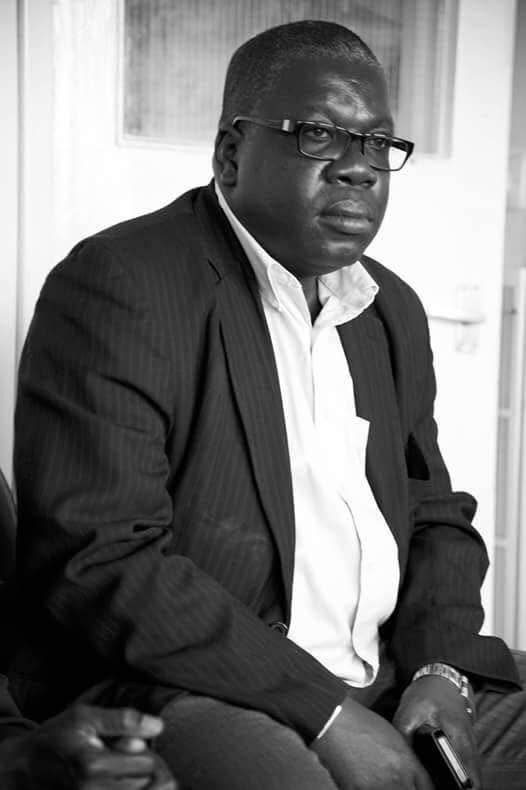
Ebrima Ismaila Chongan, a former Assistant Inspector General of Police, issued the appeal in a public statement addressed to “former comrades in arms.” He said policing in a democracy differs from policing under authoritarian rule, and that officers must balance lawful assembly and free expression with the duty to protect life and property.
The election will be only the second presidential contest since Yahya Jammeh’s 22-year rule ended in 2017. Incumbent President Adama Barrow is seeking a third term under the 1997 constitution. The field also includes United Democratic Party leader Ousainou Darboe and Unite Leader Talinb Ahmed Bensouda, among others. Nominations are due in November, with official campaigning expected to run into early December.
Chongan said the Force is a republican institution whose loyalty is to the Constitution and the law, not to any party or personality. Police leadership, he argued, must resist pressure to turn the service into an instrument of partisan advantage if political backing for neutrality is weak.
He said election duties go far beyond polling-day order. They include protecting voter registration and the display of provisional lists, securing campaign rallies for all parties, guarding Independent Electoral Commission officials and materials, and coordinating with the armed forces, State Intelligence Services and Immigration Department.
Candidates and supporters across the political divide must receive the same protection, he wrote.
The timing of the appeal is sensitive. In early September, protests over prolonged power cuts in Banjul and nearby towns led police to use tear gas. Inspector General Seedy Mukhtar Touray later said gatherings would require approved permits. Chongan said that episode showed how quickly public frustration can rise, and that the Force’s handling of assembly will be watched closely.
Unresolved questions from the Truth, Reconciliation and Reparations Commission and the cost of living, he added, have also heightened tension.
He cited two First Republic incidents in Tumana and Niamina, where police arrested ruling-party supporters who disturbed contests involving independent candidates. Then-cadet Musa Mboob, later Inspector General, was backed in applying the law without regard to affiliation, Chongan said, and political leaders did not punish the officers.
Smartphones now record almost every public incident, he noted. Officers acting lawfully need not fear cameras, but commanders should brief staff, issue standing orders and refresh training so every use of force can withstand later scrutiny. Force should be necessary and proportionate, with warnings given in riotous situations. Community intelligence, he said, is better than a late, forceful response.
Chongan, the first witness at the TRRC and later author of his detention account after the 1994 coup, said he was offering encouragement, not criticism. Under current leadership, he concluded, the Force can hold a peaceful, professional election.