By Alieu Ceesay
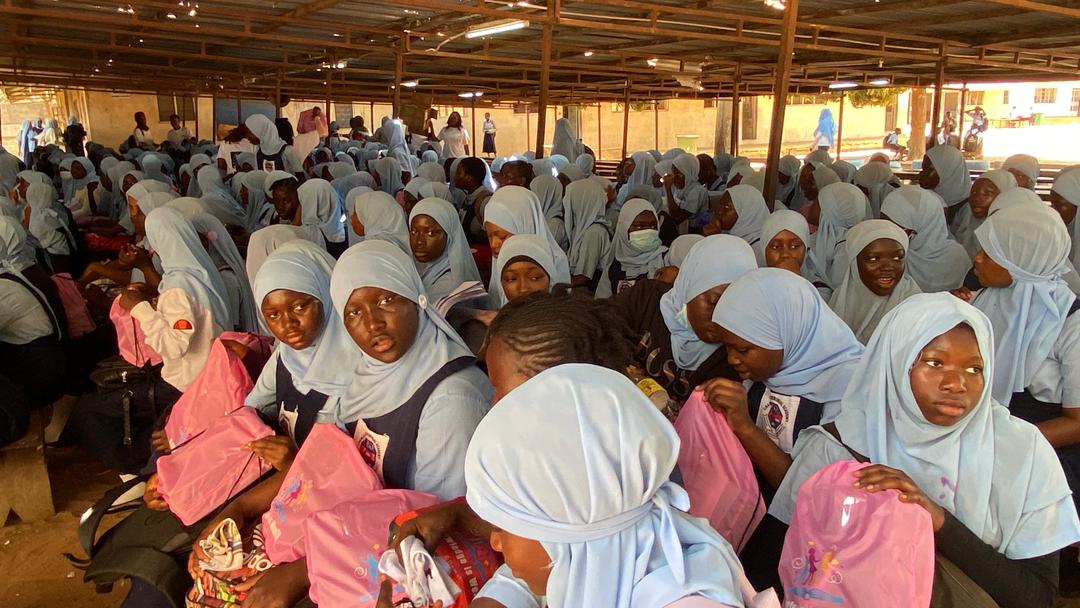
Hundreds of schoolgirls at Charles Chow Memorial School can now attend classes with greater confidence and dignity, thanks to a significant donation of sanitary pads and hygiene kits from the youth-led organization Project 21.
Menstruation has long been a silent obstacle to girls’ education in The Gambia, often forcing students to miss school due to a lack of access to affordable sanitary products, leading to embarrassment, discomfort, and academic setbacks. Project 21’s latest intervention aims to change that narrative.
Speaking during the donation exercise, Lawkadinch S Gomez, founder of Project 21, stressed the importance of tackling period poverty.
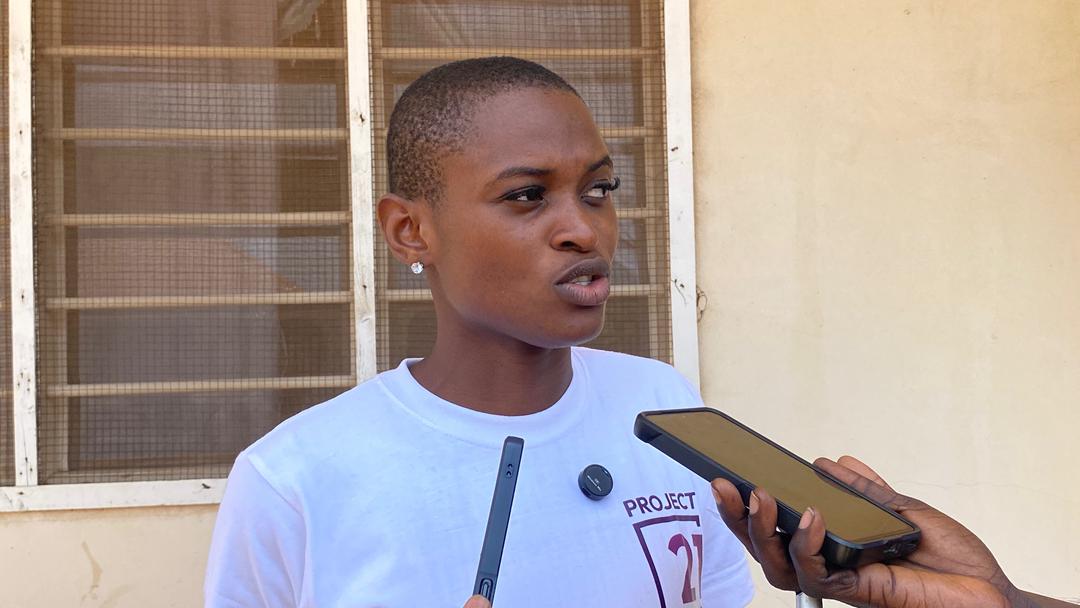
“I truly believe in eliminating period poverty, which is something we are still struggling with, especially with the girl child in schools,” Gomez told students and staff.
The four-year-old initiative focuses on raising awareness about sexual and reproductive health rights while empowering young people. This particular drive stands out as one of the largest school-based pad donations in the country, with nearly 450 dignity kits distributed at Charles Chow Memorial School.
Each kit, packed in a backpack, contains six sanitary pads, deodorant, a toothbrush, and a comb—essential items chosen to support menstrual hygiene and personal dignity. Gomez explained that the supplies are designed for longer-term impact.
“This is to help them stay in school while they are menstruating,” she said. “We are not just giving one sanitary product; we are giving something that can sustain them for months.”
According to the organization, the kits distributed will last the girls for up to 6 months. Across all its efforts so far, Project 21 has donated more than 2,000 boxes of sanitary pads.
Despite the positive response, funding remains a major hurdle. Gomez noted that many people still do not fully understand the need to invest in “period enhancement.”
“With about D2,000, a single girl can be supported with a year’s supply,” she added, appealing for greater support for the initiative.
Beneficiaries welcomed the gesture. One student described the relief it brings, highlighting the discomfort and embarrassment caused by inadequate protection, which can lead to stains and force girls to stay away from school. School authorities also expressed appreciation.
Mrs. Fatou M Secka, a Food Management Teacher, pointed to cultural barriers that exacerbate the problem.
“Our culture of silence as Gambians is a problem. Some girls feel ashamed to ask for sanitary pads, so they prefer to stay at home during that period,” she explained.
Mrs. Secka warned that repeated absences negatively affect academic performance and stressed the need for both supplies and education on menstrual hygiene.
Project 21 plans to extend the drive beyond urban areas. After Charles Chow, the team will visit SOS before targeting rural communities across the country, in partnership with the Linger and Damel initiative.
Stakeholders agree that sustainable solutions require ongoing funding, awareness campaigns, and skills training, including teaching girls how to make reusable pads.