By: Fatou Dahaba
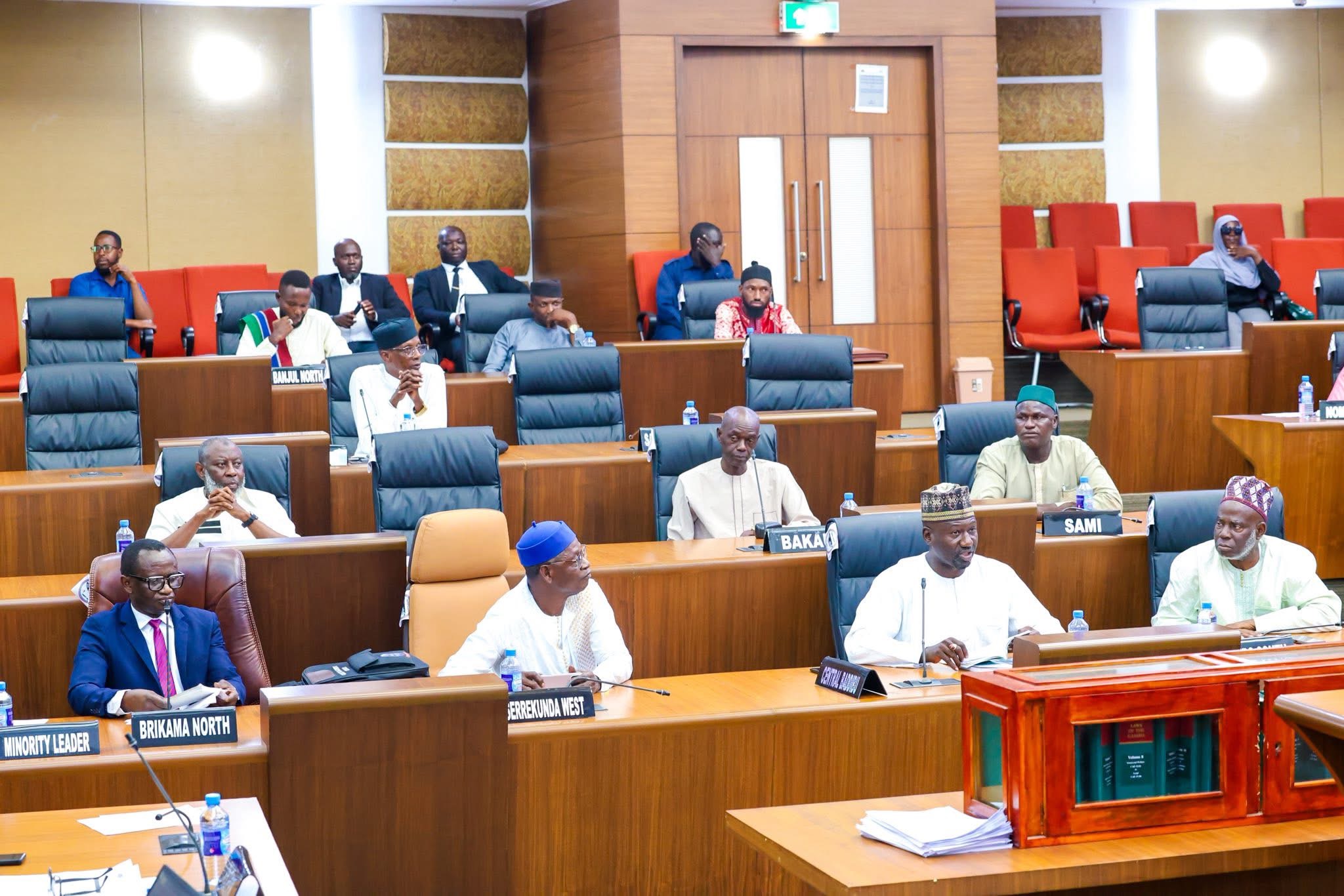
The National Assembly on Monday ratified the Beijing Treaty on Audiovisual Performances. Lawmakers say this 2012 international agreement will tighten legal protection for Gambian artists and open new income streams for actors, musicians, dancers and other performers.
Attorney General and Minister of Justice Dawda A. Jallow tabled the motion, telling members that the treaty gives performers stronger rights over audiovisual works used in films, television programs and other productions. He said it recognizes both artists’ economic and moral interests and provides a modern international framework for those rights.
Ratification, Jallow argued, would support the growth of The Gambia’s creative sector, better protect local performers and show the country’s continued commitment to global intellectual property standards. “This treaty strengthens the protection afforded to performers in audiovisual works,” he told the Assembly as he urged members to support the motion.
Several lawmakers backed the move. They described it as timely because digital platforms and social media now make it easier to share, reuse, and commercialize creative work without the knowledge or consent of the people who created it.
Hon Amadou Camara, member for Nianija, said the treaty would help ensure performers are paid when their work is reproduced, distributed, rented, broadcast or made available online. Hon Alagie S. Darboe, member for Brikama North and Minority Leader, said The Gambia’s ratification was long overdue but still highly relevant. The treaty, adopted in Beijing in 2012, would protect performers’ rights and deliver fairer economic returns from their work, he said.
Hon Sulayman Jammeh of Bundung said the benefits would not be limited to musicians and actors. Dancers, traditional singers, television producers and film producers — all part of the country’s expanding entertainment industry — would also gain, he added.
Questions were raised about enforcement and whether existing Gambian copyright law fully matches the treaty. In reply, Jallow said the government is already updating intellectual property legislation and consolidating related laws into a single framework that reflects international best practice. Those reforms, he said, are meant to align domestic law with treaties such as the Beijing Treaty and to make the rights it guarantees enforceable in practice.
He added that Gambian performers would benefit wherever their audiovisual works generate revenue at home or abroad. After that explanation, the motion was put to a vote and approved without objection.
The Beijing Treaty fills a long-standing gap in international copyright law by giving audiovisual performers rights comparable to those musicians already enjoy under other WIPO instruments. For a small creative economy such as The Gambia’s, supporters say ratification is less about symbolism than about giving artists a clearer legal claim when their images, voices and performances travel across screens and borders.
Implementation will now depend on how quickly domestic law is updated and how effectively rights are enforced. Lawmakers who supported the treaty on Monday presented it as a necessary first step: recognition that performers should share in the value their work creates, whether that value is captured in cinemas, on television or on the platforms that now dominate how Gambians watch and listen.