By Fatou Dahaba
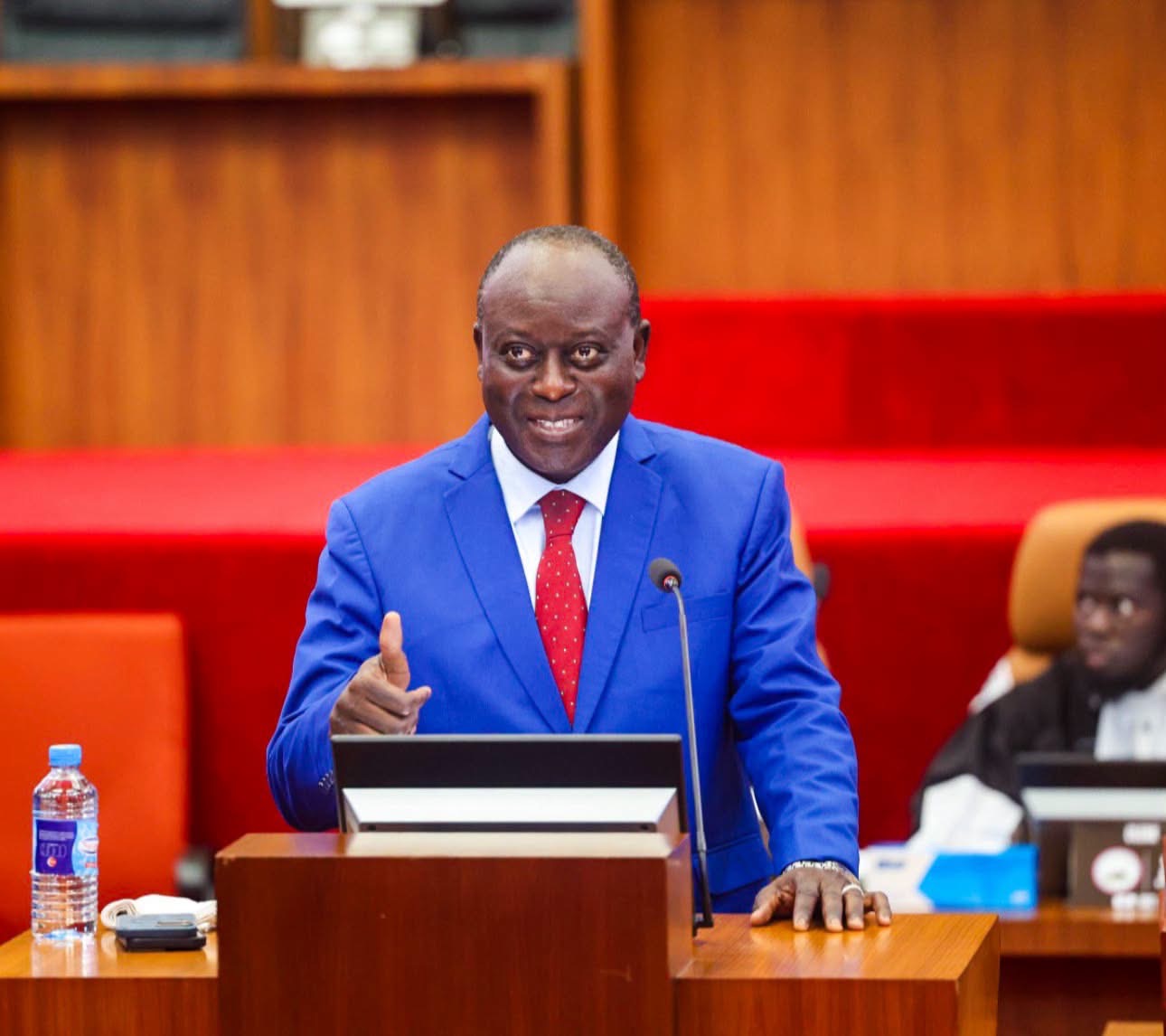
Transport, Works and Infrastructure Minister Ebrima Sillah faced sustained questioning from National Assembly lawmakers on Wednesday over unresolved staff grievances at the Port of Banjul, the government’s equity and revenue arrangements under the port concession, and the slow progress toward inland ports at Kaur and Basse.
Speaking during the Question for Oral Answer session, Minister Sillah defended the concession framework governing the Port of Banjul and the proposed Sanyang Deep Sea Port. He disclosed that the Government of The Gambia and the Gambia Ports Authority (GPA) together hold a 20 percent equity stake in the special purpose vehicle established to operate the existing port. He said the private investor is contractually required to inject US$19 million over six years to improve operational efficiency. The funds are earmarked for new equipment, a dedicated container terminal and expanded truck parking facilities.
Sillah further reported that the GPA has already received €3.2 million as payment for movable assets transferred in Banjul. In addition, the government and the GPA will receive 4 percent annually of gross revenue generated at the port—a figure he carefully distinguished from profit.
Separately, 10 percent of profits from Banjul operations will be deposited into a jointly managed escrow account to serve as a reserve for future investment in the Sanyang Deep Sea Port.
On labour issues, the minister addressed concerns raised about conditions under the concessionaire, Albarrak. He stated that all workers previously engaged in port operations were retained on the same terms and conditions they enjoyed under the GPA. He added that most staff grievances have been resolved, with the final two outstanding matters expected to be settled this week and next week.
Lawmakers also pressed for greater transparency, asking whether the National Assembly could access the full concession agreement. Sillah said the ministry already submitted the relevant documents and annexes to the National Assembly Special Committee on Projects. He added that if a separate formal request were made, the ministry would provide the materials.
Turning to the proposed inland ports at Kaur and Basse, the minister said the government is finalizing engagements with the Gambia Groundnut Corporation over the transfer of the necessary land. He explained that the sites are strategically important for expanding re-export trade to landlocked countries in the sub-region. Once the land transfer is completed, environmental impact studies and detailed design works will proceed.
Sillah assured the House that a broader master plan for both Kaur and Basse would include access roads, electricity, telecommunications, and other essential supporting services needed to make the facilities fully operational.