By: Fatou Dahaba
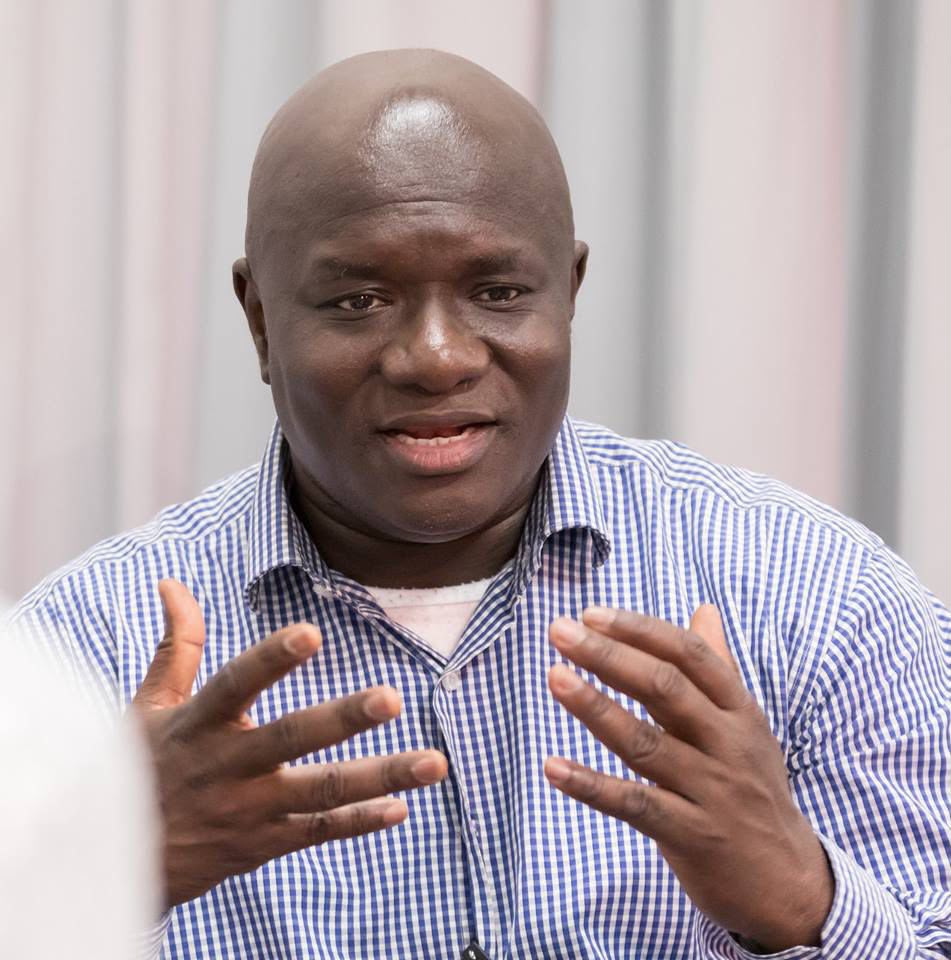
Civil society leader Madi Jobarteh said on Thursday that repeated promises of peaceful elections in The Gambia will remain empty unless political actors face clear consequences for hate speech, inflammatory rhetoric and misconduct ahead of the 2026 presidential vote.
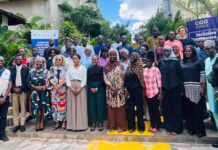
Jobarteh, Executive Director of the Edward Francis Small Center for Rights and Justice (EFSCRJ), made the remarks during a consultative dialogue in Banjul. He questioned why Gambians continue to convene forums on peace and democracy when the country already has the laws, religious teachings, cultural values, and constitutional standards needed to guide responsible political behavior.
“We know our Constitution. We know our religious teachings. We know our traditions,” he said, arguing that the difficulty is not ignorance but the failure to enforce standards that political actors have already accepted. In his view, the habit of gathering to restate basic principles has become a substitute for action.
He pointed to earlier efforts by political parties and candidates to bind themselves to non-violence, including agreements reached in 2017 after the change of government and again before the 2021 presidential election. Those documents, he said, did not prevent the spread of divisive language or personal attacks. The same patterns, he warned, are reappearing as the 2026 contest approaches.
Jobarteh cited a National Human Rights Commission study on hate speech that identified political leaders and political figures as the leading sources of such content, ahead of party supporters, social media influencers and religious leaders. He described the finding as evidence of a structural problem in the political environment rather than isolated misconduct by ordinary citizens. EFSCRJ’s own election-monitoring work, he added, has recorded statements by senior political actors that crossed into dangerous rhetoric. Those statements, he said, have largely gone unpunished.
He expressed disappointment that influential institutions have often responded with weak or delayed public condemnation. If stakeholders are serious about protecting the electoral process, he argued, they must be willing to name and criticize those who undermine national cohesion, including figures within their own political or social circles. Silence, he said, has allowed the problem to persist.
Jobarteh cautioned that another peace pact, signed without practical enforcement measures, would amount to an exercise in futility. Any new agreement, he said, must rest on accountability mechanisms that can address violations in real time—standards that specify prohibited conduct, identify responsible bodies, and produce visible consequences when the rules are broken. Without that foundation, he maintained, the country risks repeating the cycle of solemn declarations followed by the same inflammatory campaigning seen in previous elections.
He closed by urging participants to move beyond symbolic meetings and broad statements of intent. The test of commitment, he said, will be whether political actors are held responsible for their words and actions between now and polling day in 2026. Civic groups, electoral authorities, religious leaders and the media, he added, all have roles in making that accountability real rather than rhetorical.
The dialogue forms part of ongoing discussions among civil society, political parties and state institutions on how to conduct the next presidential election. Organizers have framed the talks as an attempt to reduce the risk of violence and polarisation.