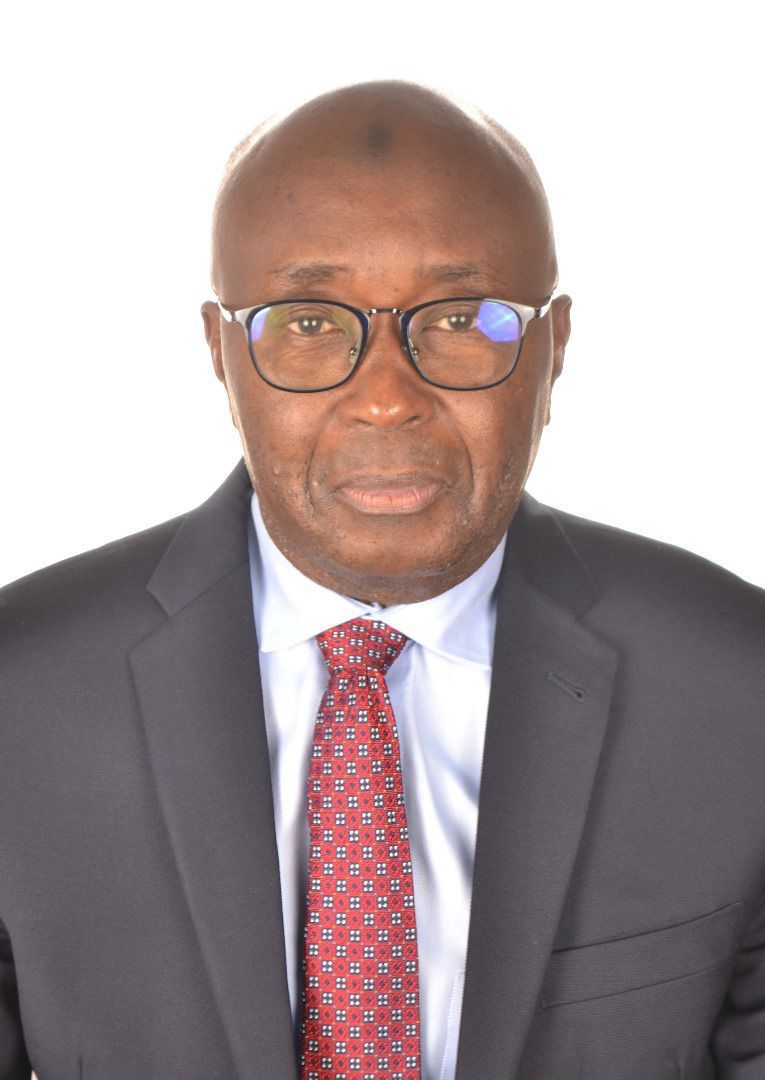
Nine years after the ouster of longtime dictator Yahya Jammeh, The Gambia remains plagued by deepening poverty, crippling debt, chronic power blackouts, and questions of unfinished democratic reforms, according to a strongly worded open letter released Thursday by prominent economist and author Musa Bassadi Jawara.
Addressed to President Adama Barrow, the political opposition and key international development partners, the letter paints a picture of a nation squandering the promise of its 2017 democratic transition. Jawara, writing from Bintou’s Point in Kerewan, urges a comprehensive public audit of post-2017 debt, immediate steps toward energy sovereignty, and a firm rejection of any third term for Barrow.
Copies were sent to high-level officials, including U.S. Secretary of State Marco Rubio, EU High Representative Kaja Kallas, ECOWAS Commission President Dr. Omar Alieu Touray, African Union Commission Chairperson Mahamoud Ali Youssouf, and leaders of ASEAN and the Organization of Islamic Cooperation.
“We cannot tire,” Jawara writes. “The country makes progress when citizens speak truth. Now that truth must go global, because The Gambia’s stability is West Africa’s stability.”
Central to the letter is a demand for a full, line-by-line accounting of national debt accumulated since 2017 through loans and grants. Despite billions received, Jawara argues, poverty has deepened while a small circle of ruling elites has grown extraordinarily wealthy.
He calls on development partners to tie future assistance to concrete conditions: publication of an energy independence roadmap, support for a professional opposition policy unit, quarterly rule-of-law audits and the comprehensive debt audit.
Energy security emerges as a particularly sharp critique. Jawara describes The Gambia’s heavy reliance on Senegal’s SENELEC as a “strategic vulnerability” and “national humiliation.” With the country currently enduring severe blackouts, he questions why a nation of barely 2 million people, receiving substantial per capita energy aid, has failed to achieve independence despite years of donor-funded studies.
He criticizes opaque contracts, including a now-ended Turkish power barge deal, and the country’s dependence on the OMVG regional scheme involving Guinea’s SOGEL.
“ Sovereignty means nothing when lights, hospitals, and businesses depend on foreign grids,” he writes.
The economist reserved pointed criticism for the opposition, calling it “a graveyard of promises” that lacked shadow budgets, concrete policy papers, or alternatives for youth employment and agriculture. He urges all opposition parties to sign a legally binding pledge against supporting any third term for Barrow and to boycott the December elections entirely, warning that participation would legitimize a flawed process.
On rule of law, Jawara highlights persistent impunity. He notes that commissions of inquiry, including the Truth, Reconciliation and Reparations Commission (TRRC), have identified perpetrators such as members of Jammeh’s notorious “Junglers” death squad, yet most remain free. Only limited prosecutions have occurred domestically, in contrast to actions taken by U.S. and European authorities. Extra-judicial arrests continue sporadically, he claims, undermining the republic’s democratic credentials.
The letter also addresses the youth exodus, with young Gambians still risking dangerous journeys across the desert and sea due to lack of opportunities. Jawara questions the absence of industrial plans for regional centers such as Kerewan, Basse, and Brikama, as well as the lack of a link between education and employment.
Economically, he faults the lack of a coherent strategy beyond project-based donor funding. There is no clear value-chain development for key sectors such as rice, groundnuts and fisheries, nor a plan to reduce import dependence, he argues. “A nation cannot borrow its way to dignity.”
Jawara recalls Barrow’s original promise of a three-year transition, accusing him of reneging on it and blocking a 2020 draft constitution to extend his power. “History will not ask if you were peaceful. It will ask if you were effective,” he tells the president directly. “Step down when your term ends.”
Quoting Abraham Lincoln’s Second Inaugural Address, Jawara calls for binding the nation’s wounds and finishing the work of democratic renewal. He offers to travel personally to brief any of the recipient institutions and frames the letter as his continuing duty to The Gambia.
The missive arrives at a sensitive moment, with Barrow’s second term winding down and political tensions rising over constitutional term limits and electoral preparations. Whether it will prompt action from Banjul or the international community remains to be seen.