Africa’s vast forests, long a cornerstone of rural livelihoods and biodiversity, stand at a pivotal juncture. While facing intensifying threats from deforestation, climate change, and resource demands, multi-country research by the African Forest Forum (AFF) highlights expanding opportunities for sustainable growth, resilience, and inclusive economies.
Covering approximately 624 million hectares—about 23% of the continent’s land—Africa’s forests and tree-based landscapes support over 245 million people. They supply food, fuel, medicine, and income while delivering critical ecosystem services for climate regulation and species conservation. Yet new pressures are testing these vital resources.
In 2024, the AFF, backed by the Swedish International Development Cooperation Agency (Sida), commissioned 19 country studies across six key biodiversity hotspots: the Guinean Forests of West Africa, Eastern Afromontane, Coastal Forests of Eastern Africa, Maputaland-Pondoland-Albany, Madagascar and the Indian Ocean Islands, and the Horn of Africa. The studies examined governance, value chains, energy systems, and indigenous knowledge to better align for climate-resilient forest management.
“Africa’s forests are no longer just a conservation priority—they are an economic and climate solution,” said Prof. Labode Popoola, Executive Secretary and CEO of the AFF. “With the right coordination and investment, they can drive inclusive growth while strengthening resilience to climate change.”
The research reveals a story of uneven progress rather than outright decline. Africa boasts a robust policy foundation, drawing on global commitments such as the Convention on Biological Diversity, the UN Framework Convention on Climate Change, the AU Sustainable Forest Management Framework (2020-2030), and the UN Convention to Combat Desertification. National policies increasingly link forestry with agriculture, energy, and land restoration.
Implementation, however, lags. Fragmented institutions and poor coordination across sectors hinder progress. Success hinges on three key enablers: stronger cross-sector collaboration, enhanced technical capacity, and reliable financing.
Country examples illustrate both advances and gaps. Kenya demonstrates strong alignment between biodiversity and climate policies through laws such as the Forest Conservation and Management Act and the Climate Change Act. Ethiopia has set ambitious targets, pledging a reduce emissions by 68.8% by 2030. Madagascar and Cameroon have made policy strides but grapple with deeper coordination challenges.
Forest-based economies remain lifelines for millions, especially women and youth. Non-timber products, timber, and ecotourism generate income, yet value chains are often inequitable. In Madagascar, local harvesters of high-value products may receive just 1% of the final value, while exporters take up to 90%. In contrast, Uganda’s community-based ecotourism around Bwindi returns at least 20% of revenues to local areas and supports over 5,000 jobs.
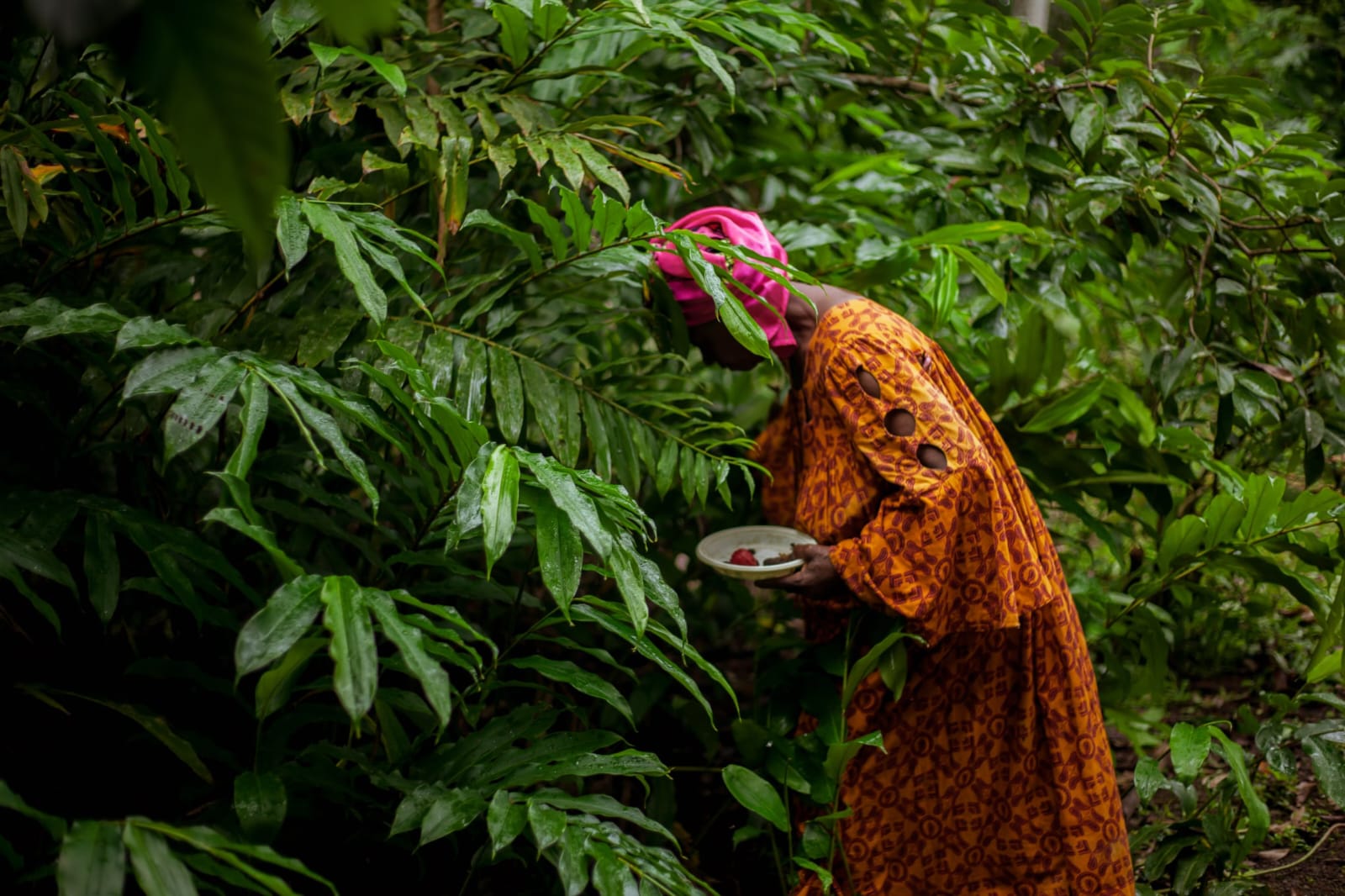
Indigenous knowledge systems, including sacred groves and traditional taboos, have long conserved forests but are often sidelined in formal governance. In South Africa, over 115 wild edible plant species underscore their role in food security and nutrition.
Energy dependence reveals stark inefficiencies. Biomass fuels 70–80% of households, but in Nigeria traditional methods waste up to 70% of energy and achieve just 11% efficiency in charcoal production, while in Togo they achieve just 11% efficiency. Alternatives such as improved cookstoves, briquettes, biogas, and agroforestry are gaining traction to reduce forest pressure and health risks, particularly for women.
Emerging opportunities in restoration, agroforestry, carbon markets, and digital traceability signal a gradual shift. However, structural barriers—funding shortages, institutional silos, and unequal access—persist, disproportionately affecting women, youth, and indigenous groups.
The AFF studies affirm that data, knowledge, and frameworks already exist. What is needed now is decisive action: better coordination, private-sector investment, and inclusive governance to transform Africa’s forests into engines of sustainable development, climate resilience, and equitable growth.
As pressures mount, the continent’s ability to adapt will determine whether these landscapes fulfill their potential as solutions for people and planet.