By: Kebba Ansu Manneh
The National Council for Civic Education (NCCE) has issued a strong warning against hate speech, ethnic polarisation and political intolerance as The Gambia approaches its December 5 presidential election. As political activity intensifies across the country, the civic education body urged communities, leaders, and institutions to safeguard national unity and ensure the polls remain a peaceful contest of ideas rather than a source of division.
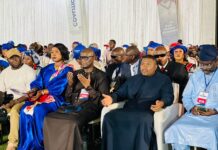
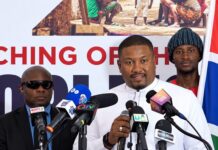
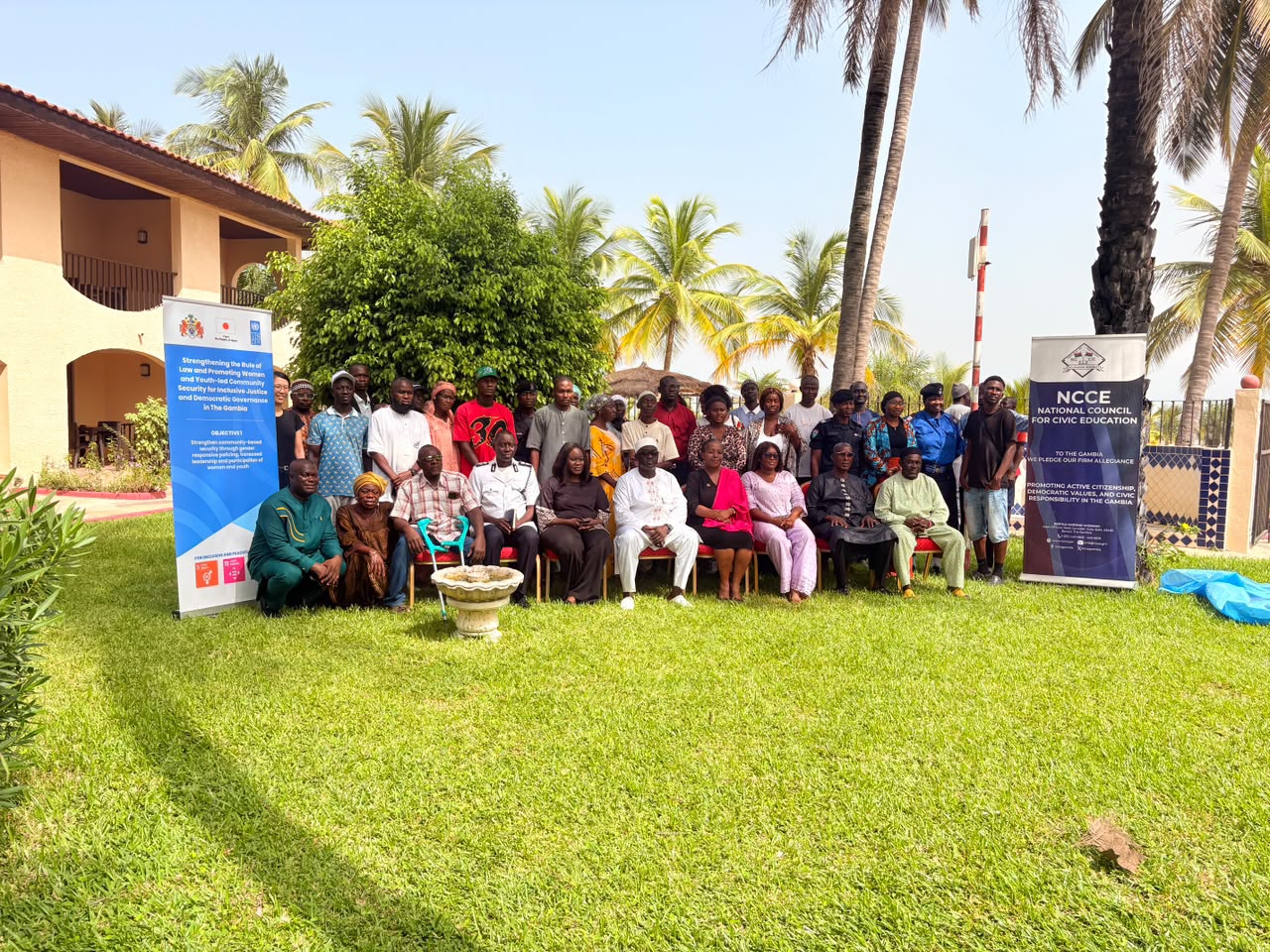
NCCE Chairman Momodou E. Sise delivered the message on Monday during a two-day civic education and community dialogue held at Ocean Bay Hotel. Organized under the theme “Electoral Readiness, Rights Awareness and Peaceful Participation,” the gathering brought together community leaders, women, young people and security personnel. Mr Sise said the country was entering the election period amid rising political mobilization and the rapid circulation of unverified information on digital platforms, both of which posed risks to social cohesion.
He stressed that elections should center on policies, development programs and competing visions for the nation’s future, not insults, character assassination, ethnic division or inflammatory rhetoric. “Words have meaning,” he cautioned, warning that divisive language during the campaign season could deepen existing fissures and damage the country’s social fabric.
He explained that the dialogue was designed to strengthen community-led prevention, promote inclusive civic engagement, and encourage peaceful participation in the electoral process. He called on community leaders to carry the message beyond the training venue, engage residents directly, and help resolve disputes before they escalate.
Mr Sise also appealed to journalists to verify information before publication and avoid amplifying voices that spread division or panic. He said responsible media practice would be essential to maintaining calm as political temperatures rise.
Commissioner Ansumana Kinteh, head of the Gambia Police Force’s Human Rights and Professional Standards Unit, reinforced the need for institutional neutrality. Addressing security personnel, he emphasized that officers must remain impartial throughout the electoral process and that personal political affiliations must not influence their duties. He said all political competitors should be treated fairly, with security responses guided by respect for human rights. “Your affiliation must remain within yourself,” Commissioner Kinteh told participants.
He warned that any perception of partisan conduct could heighten tensions and erode public confidence in the police, particularly during the campaign period.
UNDP Resident Representative Mandisa Mashologu underscored that peaceful elections depend on three pillars: institutions that uphold the law, citizens who understand their rights and responsibilities, and communities equipped to prevent tensions from turning into violence. She identified misinformation, inflammatory rhetoric, political intolerance and violence against women in public life as significant threats to inclusive democratic participation.
Ms Mashologu stressed that women, young people, persons with disabilities and other under-represented groups must be able to engage freely and safely in the process.
The training forms part of broader efforts supported by the Government of Japan under the Japan Supplementary Budget Project, which aims to strengthen the rule of law and promote women- and youth-led community security for inclusive justice and democratic governance.
The NCCE said the engagement is intended to deepen civic awareness and foster informed, responsible, and peaceful participation ahead of the December 5 presidential election, as political mobilization continues to gather pace nationwide.